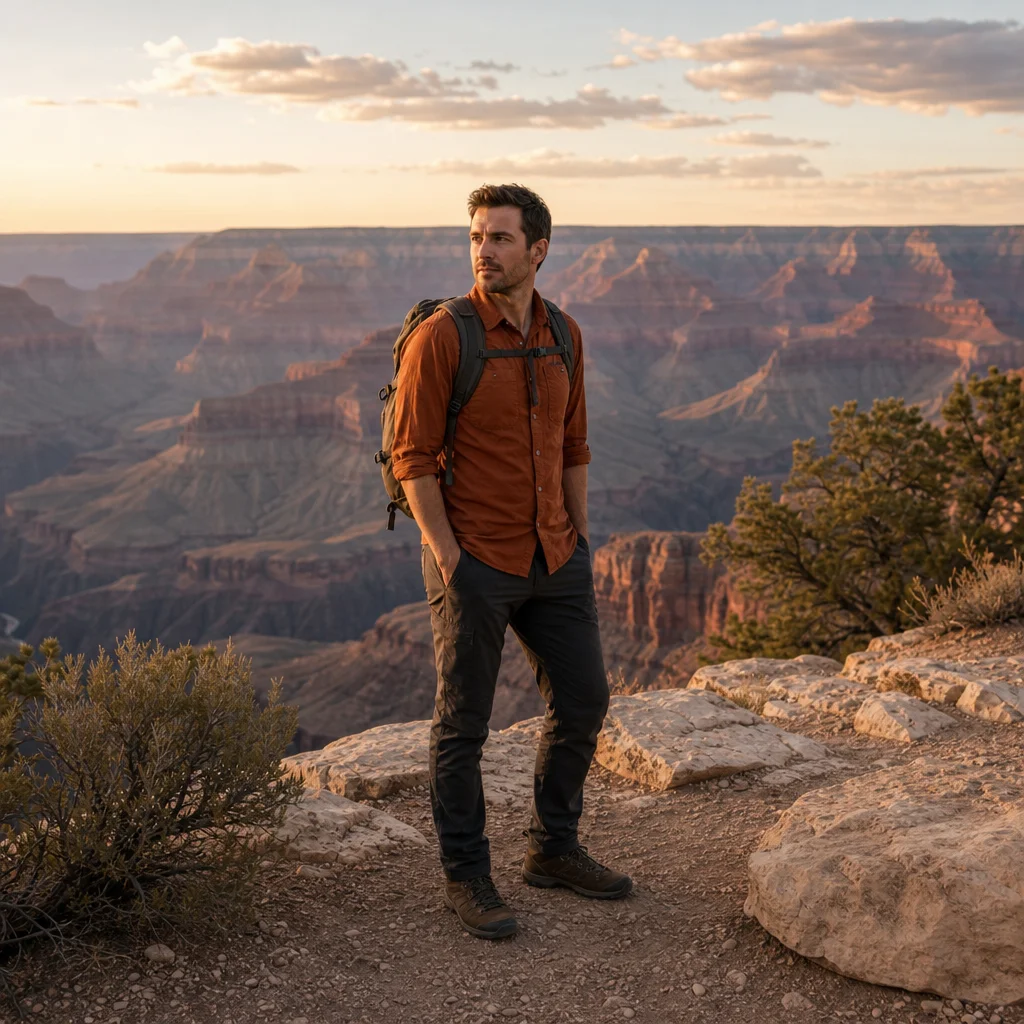
The best viewpoint and the safest turnaround are often different decisions once daylight, fatigue, and distance start working against you. I’ll show how to read those trade-offs and choose a return point before a scenic objective becomes a liability.
Read article →
When the trail’s last water crossing is higher and faster than expected, turning around can become the most disciplined part of the hike. I’ll examine the observations, planning gaps, and decision points that make retreat a sound recovery rather than a failed outing.
Read article →
I’ll explain how worsening footing, a shrinking time margin, and uneven group energy can change a scenic hike into a sensible turnaround—and how to judge that trade-off without treating the overlook as the only successful outcome.
Read article →
I’ll help you recognize how the wrong base layer or midlayer turns into overheating, damp clothing, and a colder hike in the Pacific Northwest. You’ll see what to notice early and how to correct the mistake before it becomes a safety problem.
Read article →
I’ll show you how to read a foggy start without overreacting to later sunshine, from choosing layers and checking visibility to confirming your route before conditions tempt you onward.
Read article →
I’ll compare the three choices a closed seasonal gate usually leaves you with—turning back, walking the road, or finding a verified alternate route—so you can revise distance without letting an access assumption become the day’s main risk.
Read article →
I’ll explain how a mileage plan can fail when map scale, repeated climbs, route confusion, and slow terrain all compound. You’ll learn what to measure before starting and when to revise the day’s objective.
Read article →
I’ll show how a late departure can turn an ordinary warm-weather hike into a chain of avoidable problems—crowded parking, greater heat, slower progress, and a rushed turnaround—so you can choose a start time that protects your margin.
Read article →
I’ll show how to avoid treating a familiar route as automatically safe when fire danger rises, using a decision-focused scenario to clarify route changes, smoke considerations, access checks, and communication backups across the Western United States.
Read article →
I’ll show you how to turn three conflicting weather forecasts into a safer hiking plan, avoid anchoring on the most favorable prediction, and choose a route that remains manageable when conditions change.
Read article →