Field Notes from a Hike That Became a Lesson in Start Times
I’ll show how a late departure can turn an ordinary warm-weather hike into a chain of avoidable problems—crowded parking, greater heat, slower progress, and a rushed turnaround—so you can choose a start time that protects your margin.
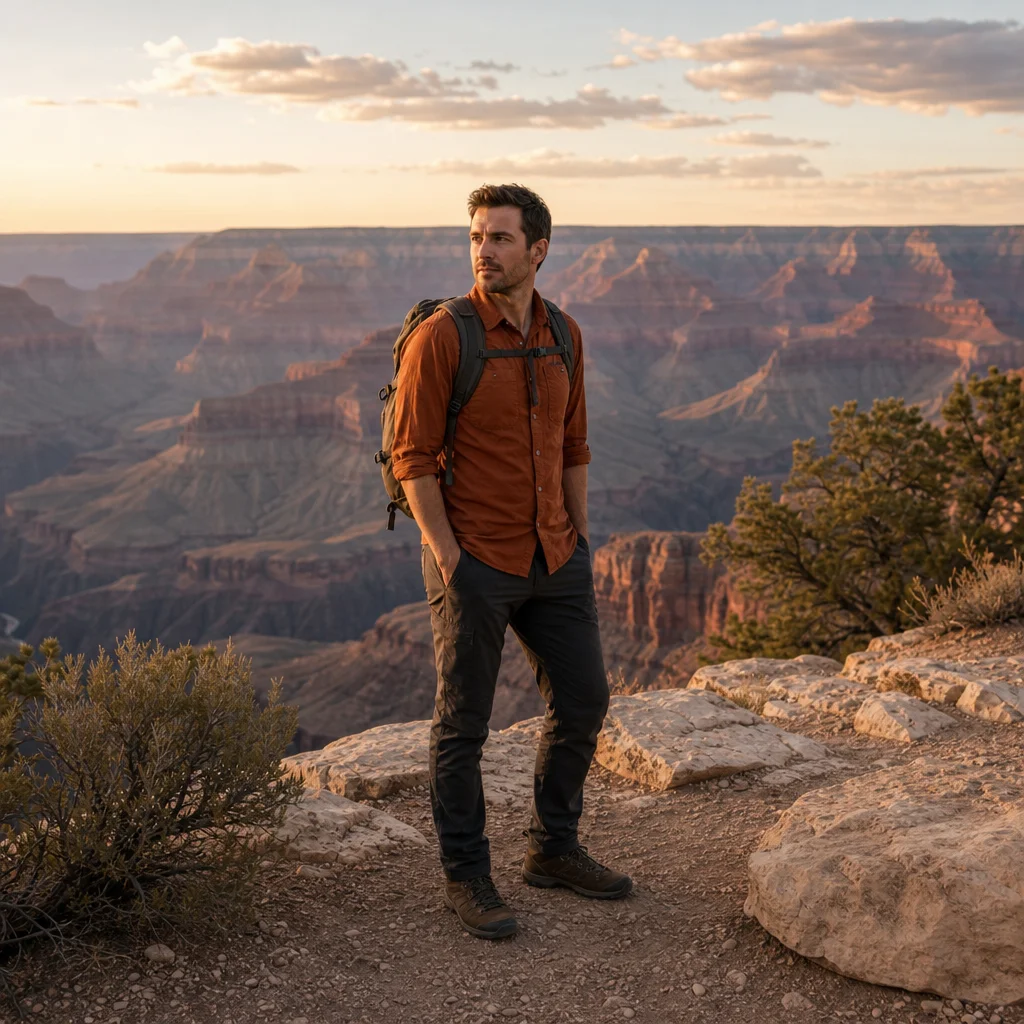
The first warning may be a full parking area, but the real problem is usually the clock. On a warm, popular trail, a delayed start can bring stronger heat, heavier foot traffic, less shade, and pressure to keep moving after the route has stopped being comfortable.
That chain of effects is easy to miss when you’re standing at the trailhead. You may think you’re only starting thirty or forty minutes late. By the time you reach the exposed section, however, the lost time has combined with slower hiking, water breaks, crowding, and a hotter return trip. A route that looked manageable on paper can begin demanding decisions you should have made before leaving the car.
The lesson isn't that every hike must begin before sunrise. It’s that your departure time should account for conditions, parking, pace, route length, and the time you want in reserve.
Preparation: Treat the start time as part of the route
A trail description often gives you distance and elevation gain, but those numbers don’t tell you when the hike will feel hardest. Start-time planning fills in the missing conditions.
Before choosing when to leave, identify four time points:
- Arrival: when you expect to reach the trailhead or access point.
- Trail departure: when you’ll actually begin walking after parking, organizing gear, and using the facilities.
- Turnaround: the latest time you’ll continue toward the destination.
- Return deadline: when you need to be back at the vehicle or off a particular section of trail.
The second point is the one hikers most often overlook. “Leaving home at 7:00” isn't the same as “starting the hike at 7:00.” A busy trailhead may require a wait for a parking space, a shuttle, a short walk from overflow parking, or a queue at a gate. Even a quiet trail can consume time while you adjust layers, fill bottles, apply sunscreen, and confirm the route.
Plan from the trail, not from your front door. If a route is exposed and warm, an earlier trail departure may reduce heat stress. If the trail is in a canyon, forest, or shaded north-facing slope, the temperature pattern may be different. If the route has a fixed booking, shuttle, or access window, that restriction matters more than a general sunrise rule.
A useful plan includes a deliberate buffer. The buffer isn't spare time for adding a viewpoint or taking a longer lunch. It is protection against ordinary delays: missed turns, slower companions, a crowded overlook, a minor blister, or a section that takes longer than expected.
Observation: Notice what the trailhead is telling you
A late start becomes a safety issue gradually. Pay attention to early signs instead of waiting for a dramatic problem.
Parking is the first data point. A full lot may mean the trail is crowded, but it can also indicate that the route has limited legal parking or that vehicles are already occupying roadside spaces. Don’t assume you can improvise. Blocking access roads, using private property, parking in a no-parking zone, or stopping where emergency vehicles need passage creates a separate hazard and may violate local rules.
The temperature at the car can mislead you. A breeze in the parking area may disappear on an exposed slope. Pavement and dark rock can radiate heat, while a shaded trailhead can feel considerably cooler than the open route above it. Look at the forecast for the elevation and time of day you’ll actually be hiking, not just the nearest town.
The pace of the group matters early. If the slowest person is already working hard on the first climb, the planned finish time is probably too optimistic. Warm conditions amplify small differences in pace. Frequent stops may be reasonable, but they also reduce your distance-per-hour and shorten the margin before the hottest part of the day.
Crowding changes the effort required. On a narrow or steep trail, passing may be difficult. You may stop behind other hikers, wait at switchbacks, or move cautiously around busy viewpoints. Downhill traffic can make a route feel slower in both directions. A published hiking time that assumes steady movement won’t account for every pause caused by congestion.
Use these observations to update the plan. The goal isn’t to prove that the original schedule was correct. The goal is to recognize when the conditions no longer support it.
Confirm today’s access details: Before driving to a popular trail, check the managing agency or landowner for current parking rules, reservations, shuttle requirements, closures, heat advisories, and route restrictions. These details can change by season, weather event, or day of the week.
Action: Build a turnaround decision before you need it
A turnaround time works only when you decide in advance that it matters. Once you’re close to a viewpoint or summit, the unfinished distance can feel more important than the changing conditions. A clear threshold gives you permission to stop without treating the decision as failure.
Set the threshold using the return, not just the destination. If reaching the viewpoint takes two hours and returning takes another two, a late start doesn’t only threaten the final approach. It pushes the entire return into hotter, busier, or darker conditions.
Consider setting a turnaround when any of the following occurs:
- You reach the planned time regardless of how close the destination appears.
- Your remaining water no longer supports the return with a reserve.
- The heat is increasing and shade is becoming less available.
- The slowest hiker is showing signs of unusual fatigue, dizziness, headache, nausea, confusion, or poor coordination.
- You’re moving more slowly than the pace used in your plan.
- The route ahead has exposure, loose footing, steep climbing, or difficult navigation that will take longer in current conditions.
- You need to return by a fixed time for transportation, a reservation, a gate, or changing weather.
Turn around while the group still has energy to reverse direction. Waiting until everyone is depleted makes the return harder and can turn a sensible adjustment into an urgent retreat.
If the route allows it, shortening the hike can preserve the day. You might visit a lower viewpoint, stop at a shaded landmark, complete an out-and-back to a predetermined point, or choose a nearby trail with less exposure. Decide what the shorter version is before starting. In the moment, an alternative feels easier to accept when it’s already part of the plan.
Conditions: Separate heat, crowds, and darkness
These factors interact, but they create different problems.
Heat increases physical strain. You lose water through sweat, and the effort of climbing raises your internal temperature. A late start may place the steepest section near the warmest part of the day. Carrying more water helps, but it doesn’t remove the need to reduce effort, seek shade, rest, and turn around when symptoms appear.
Crowds reduce flexibility. A congested trail can delay both the ascent and the descent. It may also make it harder to stop safely, communicate with your group, or find a quiet place to assess someone who feels unwell. On popular routes, an early start can be a way to create space rather than simply chase cooler temperatures.
Darkness removes information. A return that begins in daylight may finish after sunset if the group moves slowly or loses time at the destination. Familiarity with a trail doesn't eliminate hazards such as roots, loose rock, confusing junctions, or changing weather. If a late return is possible, carry appropriate lighting and know whether the route permits travel at that time. More importantly, don’t use a headlamp as an excuse to continue past a reasonable turnaround.
The safest start time is therefore route-specific. A short shaded loop near the trailhead may tolerate a later departure than a long exposed climb with limited water access. A busy trail with restricted parking may reward an early arrival even when temperatures are mild. A route with a fixed closing time may require a conservative schedule from the beginning.
Common mistakes and their corrections
Mistake: Planning for the trailhead arrival instead of the walking start
Correction: Add time for parking, facilities, gear, and navigation. Write down the time you expect to leave the vehicle.
Mistake: Using the coolest forecast number
Correction: Check the hourly pattern, route exposure, elevation, wind, and shade. Focus on the conditions during the hardest part of the hike and the return.
Mistake: Treating a popular route as predictable
Correction: Expect delays at parking areas, narrow sections, overlooks, and trail junctions. If the route is known for crowding, make the buffer larger.
Mistake: Letting proximity to the destination overrule the plan
Correction: Follow the turnaround time even when the final climb or viewpoint seems close. The return still requires time and energy.
Mistake: Carrying the minimum because the hike is familiar
Correction: Match water, navigation, sun protection, and emergency supplies to the conditions and the group. Familiar trails still produce unfamiliar problems when heat, fatigue, or congestion changes the day.
Mistake: Treating a shortened route as wasted effort
Correction: Define success as returning with a reserve. A partial route completed comfortably is a better outcome than a destination reached with no margin for the way back.
A field-ready start-time check
Before you leave, confirm:
- What time will you actually begin walking?
- When will the trail be hottest, most exposed, or most crowded?
- What is the turnaround time, and what return deadline supports it?
- Where is the shorter version of the route?
- How much water and energy will remain at the turnaround?
- What signs will cause you to slow down, stop, or turn around?
- What are the current access, parking, shuttle, closure, and weather details?
If the plan depends on everything going right, it’s not ready. Start earlier, shorten the route, choose a less exposed option, or postpone the hike. The best start time is the one that leaves enough daylight, water, energy, and attention for the return—not merely enough time to reach the farthest point.