Field Notes From a Hike That Started With the Wrong Layering Choice
I’ll help you recognize how the wrong base layer or midlayer turns into overheating, damp clothing, and a colder hike in the Pacific Northwest. You’ll see what to notice early and how to correct the mistake before it becomes a safety problem.
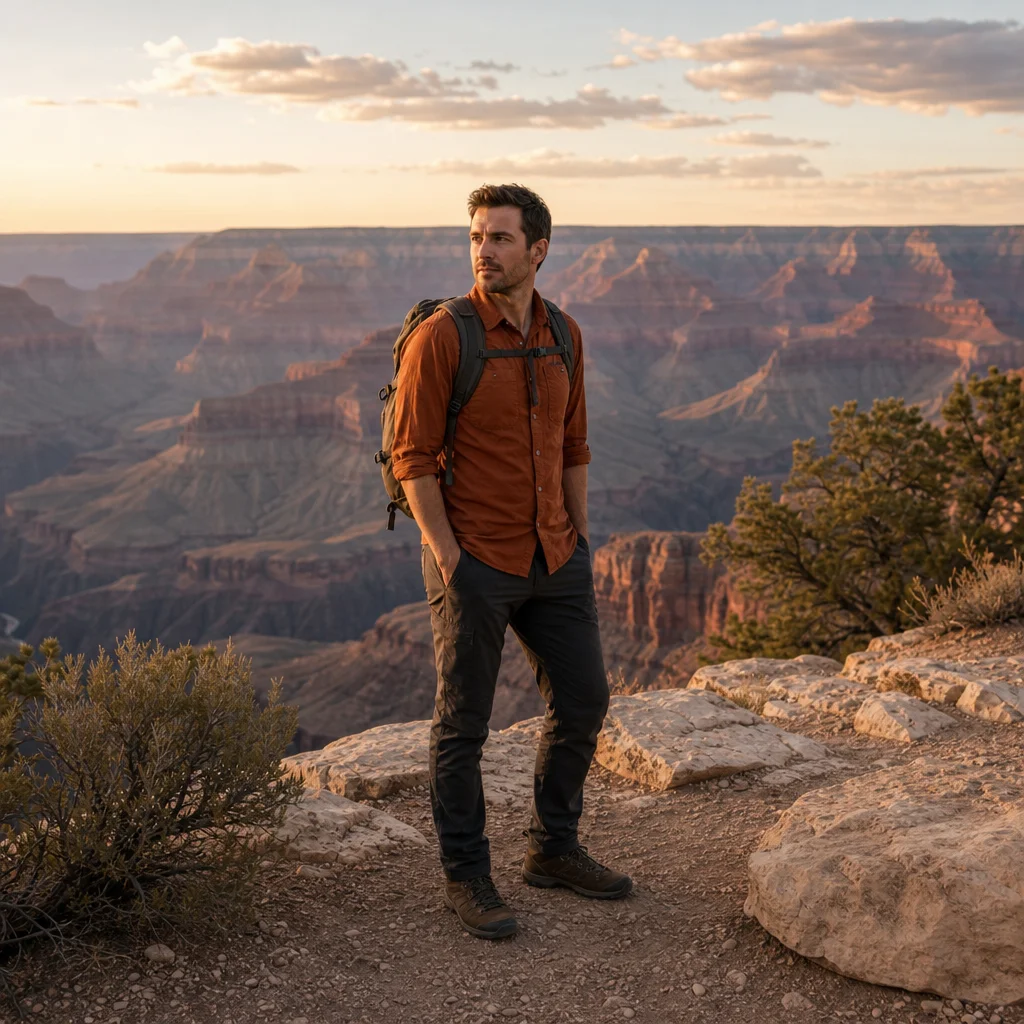
You leave the trailhead beneath a cool, gray sky. The parking area feels chilly, the forest is holding overnight moisture, and the first climb looks manageable. You pull on one more layer than you expect to need.
Twenty minutes later, your back is damp. Ten minutes after that, you stop to remove a layer—but the damage may already be underway. Wet clothing can make the next rest stop uncomfortably cold, especially when wind reaches the trail or the temperature drops with elevation.
This reconstruction follows a common beginner mistake: dressing for the trailhead instead of the effort. The goal isn’t to find one perfect layering system. It’s to learn how to notice changing conditions early, adjust without embarrassment, and keep a small clothing error from becoming a larger problem.
Preparation: Dress for the first climb, not the parking lot
The Pacific Northwest can give you several kinds of weather in a single outing: cool shade, mild sun, steady rain, exposed wind, and damp air that makes clothing feel heavier than expected. Your layering choice needs to account for both the forecast and the work your body will do.
Before leaving, separate your clothing into two categories:
- Active layers: clothing you can comfortably hike in while climbing or moving steadily.
- Rest and emergency layers: clothing that keeps you warm when you slow down, stop, or encounter colder conditions.
A thick jacket may feel appropriate at the trailhead but become excessive once you’re climbing. A thin shirt may feel fine while moving but leave you underdressed when you stop. Carrying both kinds of layers lets you change your insulation instead of forcing one garment to handle every condition.
For a beginner, a simple starting system is often enough:
- A moisture-managing base layer.
- A light insulating layer for slower sections and breaks.
- A shell that blocks rain and wind when conditions require it.
- A dry reserve layer protected inside your pack.
The exact fabric and garment weight depend on the season, forecast, elevation, and trip length. The important habit is to begin slightly cool if you’ll be climbing continuously. You should be able to add warmth later more easily than you can dry a soaked shirt on a wet, windy trail.
Check the conditions you’re dressing for: Before you leave, compare the forecast at the trailhead with conditions expected along the route, including higher elevations and exposed sections. Check current alerts, closures, and any route-specific requirements through the responsible land manager, because weather and access information can change.
Observation: Early signs that your system is wrong
The first mistake is often not putting on too many layers. It’s failing to treat discomfort as useful information.
During the first sustained climb, pay attention to these signals:
- Your back, chest, or underarms feel noticeably damp.
- You’re unzipping a jacket repeatedly but still wearing it.
- Your hat or gloves come off before you’ve covered much distance.
- You’re sweating enough that your base layer clings to your skin.
- You feel hot, flushed, or unusually tired for the pace.
- You’re reluctant to remove a layer because stopping feels inconvenient.
These signs don’t automatically indicate danger, but they show that your clothing system isn’t matching your effort. If you continue, moisture builds. When you later slow down, the damp fabric draws heat away from your body and your insulation works less effectively.
The opposite mistake is also common. If you’re shivering while moving, losing coordination, or unable to warm your hands, you need to respond rather than hoping the trail will soon become easier. Cold discomfort can be an early warning, particularly when rain or wind is involved.
Use a short self-check whenever the trail changes character:
- How hard am I working? A steep climb generates more heat than a level trail.
- What is touching my skin? Wet fabric matters more than a jacket that is still dry in your pack.
- What will happen when I stop? A layer that feels unnecessary while moving may become important at a viewpoint or junction.
- Can I correct this now? Small adjustments are easier before you’re soaked, chilled, or tired.
Action: Correct overheating before the first break
When you notice overheating, make the adjustment early. Don’t wait for a scenic overlook or a planned snack stop if you can safely step aside without blocking the trail.
First, reduce your output if necessary. Slow your pace for a few minutes and see whether your temperature settles. If you’re still hot, remove the outer insulation layer. Open zippers and vents only as a temporary measure; they may not release enough heat, and they can leave the garment in an awkward state if rain begins.
Store the removed layer where it stays dry. A pack’s exterior pocket may not protect clothing from persistent rain, so use a waterproof liner or dry bag when conditions are wet. Keep the shell accessible rather than burying it beneath food and spare clothing.
If your base layer is already damp, your priorities change. Stop adding insulation directly over a wet layer and avoid assuming that a warm jacket will solve everything. During a safe, sheltered pause, wring out excess moisture only if the garment and conditions make that reasonable, then put on a dry reserve layer if you have one. In cold or exposed conditions, preserving warmth takes priority over maintaining your planned pace.
A dry shirt is one of the most useful pieces of emergency clothing a beginner can carry. It may seem unnecessary on a short route, but dampness becomes more consequential when the hike takes longer than expected, the weather shifts, or an injury forces you to wait.
Scenario analysis: What happens when you ignore the first warning?
Imagine that you start in a warm fleece because the air at the trailhead feels cold. The trail climbs immediately. You sweat but keep going, telling yourself you’ll remove the fleece at the next junction.
At the junction, wind reaches the trail. Your fleece is damp, so you keep it on. You eat quickly, then continue. The wind increases and your shirt feels cold against your skin. You add a rain shell, which blocks the wind but traps more moisture. Now you’re protected from the outside while becoming wetter inside.
This sequence can be interrupted at several points:
- Remove the fleece during the climb, before your base layer becomes wet.
- At the junction, put on the shell over a relatively dry base layer if wind or rain requires it.
- If the base layer is already wet, change into the dry reserve layer during a protected stop.
- Reassess the route if you’re becoming colder despite adding clothing.
The key isn't the number of garments. It’s the order of operations. Venting, removing insulation, protecting dry clothing, and changing into a reserve layer each solve a different problem.
Changing conditions: Know when layering is no longer the main issue
Clothing adjustments can’t compensate for every situation. If rain is soaking through your shell, visibility is deteriorating, wind is increasing, or you’re losing daylight, the safer decision may be to turn around or shorten the route.
Likewise, don’t treat persistent shivering, confusion, unusual weakness, clumsiness, or difficulty making decisions as ordinary discomfort. Stop in a sheltered location, add dry warmth, protect yourself from wind and rain, and assess whether you can safely continue. If someone in your group is worsening or can't warm up, prioritize assistance and emergency communication according to the conditions and available service.
Your turnaround point should be decided before you’re exhausted. Useful thresholds might include:
- You no longer have a dry layer available for an unplanned stop.
- Your clothing is wet enough that you can’t stay warm when moving slowly.
- The forecasted conditions are arriving earlier or more severely than expected.
- A member of the group is showing concerning symptoms.
- The route ahead is more exposed than your clothing and equipment can handle.
A turnback isn’t a failure of preparation. It’s one of the ways preparation works.
Prevention: Make the next layering choice easier
Before the next hike, test your system on a short route with a similar climb. Start with the lightest active layer you can reasonably use, and keep insulation and rain protection accessible. Notice how quickly you heat up, where sweat collects, and how long it takes you to feel cold after stopping.
Pack layers in the order you’re likely to need them. Put the shell near the top, keep gloves and a hat in a reachable pocket, and protect the dry reserve layer from everything else. If your pack has to be emptied to reach your warm clothing, you’ll be more likely to postpone the adjustment.
Also consider the return trip. A layer that works during a morning climb may not be enough for a shaded descent later in the day. The weather may change, and your body may produce less heat when you’re tired.
Field-ready layering checklist
Before starting:
- Check conditions along the route, not only at the trailhead.
- Separate active layers from rest and emergency layers.
- Keep rain protection and insulation accessible.
- Pack one dry reserve layer when wet or cold conditions are possible.
- Decide what weather or symptoms will trigger a turnaround.
During the hike:
- Start slightly cool for sustained climbing.
- Treat sweating as a cue to adjust, not a condition to tolerate indefinitely.
- Remove insulation before your base layer becomes saturated.
- Protect removed layers and dry clothing from rain.
- Reassess whenever the trail becomes steeper, windier, wetter, or more exposed.
If you’re damp and getting colder when you slow down, stop and correct the problem before continuing. If you can’t restore warmth, maintain dry protection, or safely manage the changing conditions, turn around while you still have the energy and daylight to do it.