Field Notes From a Route That Looked Easy Until the Wind Arrived
I’ll clarify why a mild forecast and an easy-looking route can become a serious outing once wind reaches exposed ground, comparing equipment choices, pacing, and the decision to turn around before comfort becomes a safety problem.
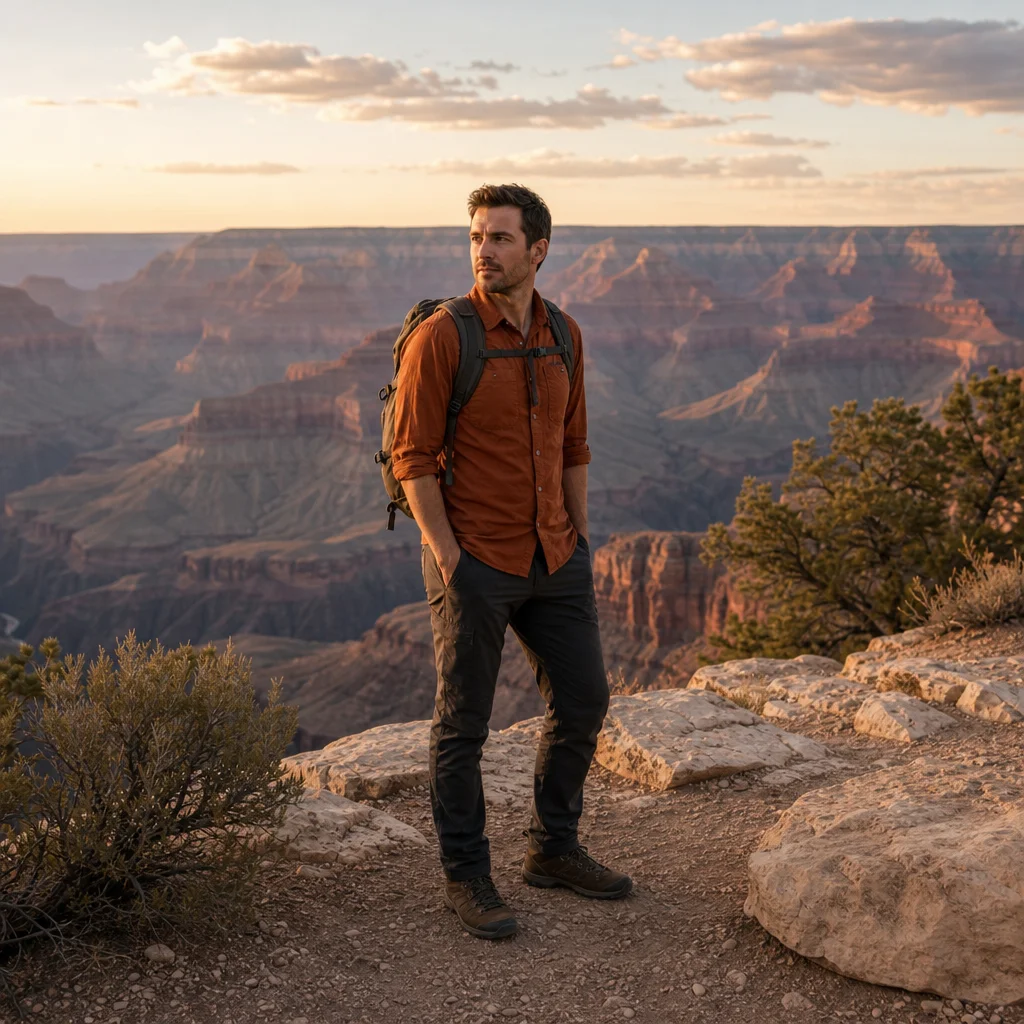
The route looked manageable from the trailhead: a broad path, moderate climbing, and no obvious technical obstacles. The forecast called for cool conditions with a steady breeze. Nothing about the first section suggested that the day would become a lesson in exposed-terrain judgment.
The change came gradually. Trees thinned, the path crossed open ground, and the wind stopped feeling like background weather. It began pushing across the route, tugging at clothing, stealing warmth during pauses, and making each step require more attention. The main difficulty wasn't the distance or elevation. It was the way wind changed the cost of every ordinary decision.
This field note examines that shift: what made the route feel easy at first, which equipment choices helped or hurt, and why an early turnaround was the sensible outcome rather than a failed objective.
Preparation: Read the Route as an Exposure Problem
A route can be physically moderate and still be demanding in poor conditions. Contour lines tell you about climbing, but they don't fully describe how a route behaves when weather arrives. Before setting out, look for the parts of the route where shelter disappears and consequences increase.
On coastal and alpine terrain, pay particular attention to:
- Ridges, cols, saddles, and broad traverses with little vegetation
- Cliff edges or steep slopes where a sideways stumble has serious consequences
- Narrow paths beside water, scree, or loose ground
- Sections where turning around would be awkward or slow
- Final summits or viewpoints that require a long exposed approach
- Places where navigation depends on visible landmarks
The route's apparent simplicity can be misleading. A wide trail may be easy to follow in calm weather but uncomfortable when gusts affect balance. A gradual ridge may require more concentration than a steeper climb protected by trees. An open plateau may offer no technical difficulty while still making a retreat tiring and cold.
The useful question isn't only, “Can you climb this?” Ask instead: “How will this route behave if the wind is stronger than expected, visibility drops, or you need to retreat while tired?”
Compare the equipment trade-offs
Wind makes small equipment decisions noticeable. A lightweight shell may pack down well and perform adequately in brief showers, but it needs to fit securely and cover the layers beneath it. A loose hood, flapping hem, or open pocket can become a constant distraction on exposed ground.
Your clothing system should let you make adjustments without stopping for long. A base layer that moves moisture away from your skin, an insulating layer for pauses, and a wind-resistant outer layer give you more options than one heavy garment. The goal isn't to carry the bulkiest clothing. It's to preserve warmth while keeping movement and visibility unimpaired.
Other choices involve similar compromises:
- Trekking poles: They can improve balance and reduce strain, but strong crosswinds may make pole placement awkward. Keep your hands free when scrambling or using fixed protection.
- Gloves: Thin gloves preserve dexterity for zippers and map work; warmer gloves protect better during exposed pauses. Carrying both is often more useful than choosing one pair.
- Gaiters: They help with wet grass, mud, and loose debris, but they add weight and can be unnecessary on a dry, well-maintained path.
- Pack size: A smaller pack encourages efficiency, but it shouldn't leave out insulation, navigation tools, food, or a reliable way to protect those items from weather.
- Footwear: Light shoes may feel ideal on the approach. Stiffer, more supportive footwear can become preferable when the surface is uneven and you need precise, stable steps.
No equipment choice removes the need to assess conditions. Gear buys you time and options; it doesn't turn exposed terrain into sheltered terrain.
Check the exposed section: Before leaving, compare the forecast with the route's highest and most open ground. Confirm current weather, wind, visibility, access information, and any local restrictions from an authoritative source, then decide what conditions would make you turn around.
Observation: Notice When Comfort Is Changing
The early part of a route often gives you misleading information. You may feel warm, move efficiently, and assume the same pace will continue. Sheltered ground can hide what awaits above. Treat the transition out of cover as a new assessment point rather than simply another part of the ascent.
Several signs indicate that wind is becoming the main condition of the day:
- You need to lean or brace during gusts rather than walking upright
- Your hood moves enough to interfere with hearing or peripheral vision
- You stop more often because exposed pauses are unpleasant
- Your hands cool quickly when removing them from pockets or gloves
- You begin looking down constantly to place each foot
- Conversation becomes difficult because of wind noise
- Map, phone, or camera use becomes awkward or risky
- You find yourself hurrying to reach shelter instead of choosing a deliberate pace
None of these signs automatically requires a retreat. Together, they show that your margin is narrowing. Comfort matters because cold, fatigue, and distraction affect judgment before they become obvious emergencies.
A useful test is to stop briefly in a protected location before the most exposed section. Put on the layer you expect to need, secure your hood, check your gloves, drink, and review the route. If getting ready already feels difficult, the next section is unlikely to become easier simply because you continue.
Action: Change the Plan Before You Need to
When conditions deteriorate, the strongest option is usually the one that preserves choices. That might mean changing layers early, slowing down, leaving the ridge for a lower route, or turning around while the path is still familiar and your energy remains good.
Make adjustments before you are cold or hurried. Add a shell while you still have dry hands. Tighten pack straps before gusts make the pack shift. Secure loose items inside the pack rather than allowing them to flap, fall, or distract you. If you use poles, shorten or stow them when the terrain demands both hands.
Pacing also deserves attention. Wind can make you spend more effort for the same distance, particularly when you are walking into it or repeatedly correcting your balance. A pace that felt relaxed in shelter may become expensive on open ground. Shorter steps and deliberate foot placement are usually more sustainable than trying to maintain the original speed.
Keep your route decisions simple. You don't need to prove that the summit is technically possible. You need to decide whether the complete outing—including the return in the same or worse conditions—still fits your ability, equipment, daylight, and energy.
Why the early turnaround made sense
The turnaround point came before the route became dangerous in a dramatic way. There was no single alarming event. Instead, several small changes had accumulated: the wind was affecting balance, exposed pauses were becoming uncomfortable, and the remaining route offered less shelter with no clear improvement in conditions.
Continuing would have produced a familiar but poor trade: a little more terrain gained in exchange for reduced warmth, attention, and flexibility. The objective was a viewpoint or route completion. The cost was increasing exposure on the way out as well as the way in.
Turning around preserved the useful part of the day. The route could be understood, the equipment could be evaluated, and the decision could be revisited in calmer weather. An early retreat is especially reasonable when the route's best feature is optional and the change in conditions is already reducing your ability to respond.
Changing Conditions: Choose the Right Compromise
There isn't one correct response to wind. The best choice depends on the terrain and on what you have available.
If the route is sheltered but cold, adding insulation and maintaining movement may solve the problem. If the route is open but the surface is secure, a windproof layer and slower pace may be enough. If visibility is deteriorating on featureless ground, navigation becomes the priority. If gusts are destabilizing you near steep edges, the issue is no longer comfort; it is exposure to a fall.
You can also compare objectives. A lower loop, sheltered viewpoint, or return to the trailhead may offer a satisfying alternative without requiring you to pretend the conditions are unchanged. The best substitute is one that reduces exposure, keeps navigation straightforward, and doesn't consume the reserves needed for a safe return.
Avoid relying on a single improvement. Wind may ease temporarily and then strengthen again. Sun may make the trailhead feel mild while the ridge remains cold. A forecast may describe average wind while gusts determine how the terrain actually feels. Base the decision on the conditions you are experiencing and the direction they appear to be taking.
Field Checklist: Continue, Modify, or Turn Around
Before committing to exposed terrain, check the following:
- Is the wind affecting balance, hearing, visibility, or hand use?
- Do you have enough clothing to stay warm during an unplanned pause?
- Can you navigate if familiar landmarks disappear?
- Is the return route safe if conditions worsen rather than improve?
- Are you still moving with controlled steps, or are you hurrying for shelter?
- Does continuing provide enough value to justify reduced margin?
- Is there a lower, shorter, or more sheltered alternative?
Continue when you can move steadily, stay warm, navigate confidently, and retain a comfortable margin for the return. Modify the plan when a small adjustment—such as adding a layer, changing pace, or choosing a sheltered alternative—restores that margin.
Turn around when wind is compromising balance or judgment, when you can't stay warm, when navigation is becoming uncertain, or when the remaining exposed ground is no longer worth the cost. You don't need to wait for a dramatic failure. If the route has stopped being manageable, the decision point has already arrived.