A Hike Interrupted by Thunderstorms: Decisions Made Before the Ridge
Thunderstorms can turn a promising approach into an exposed retreat before you reach the ridge. I’ll show you how to read changing weather, recognize when the objective has become a liability, and make a safer decision without confusing disappointment with bad judgment.
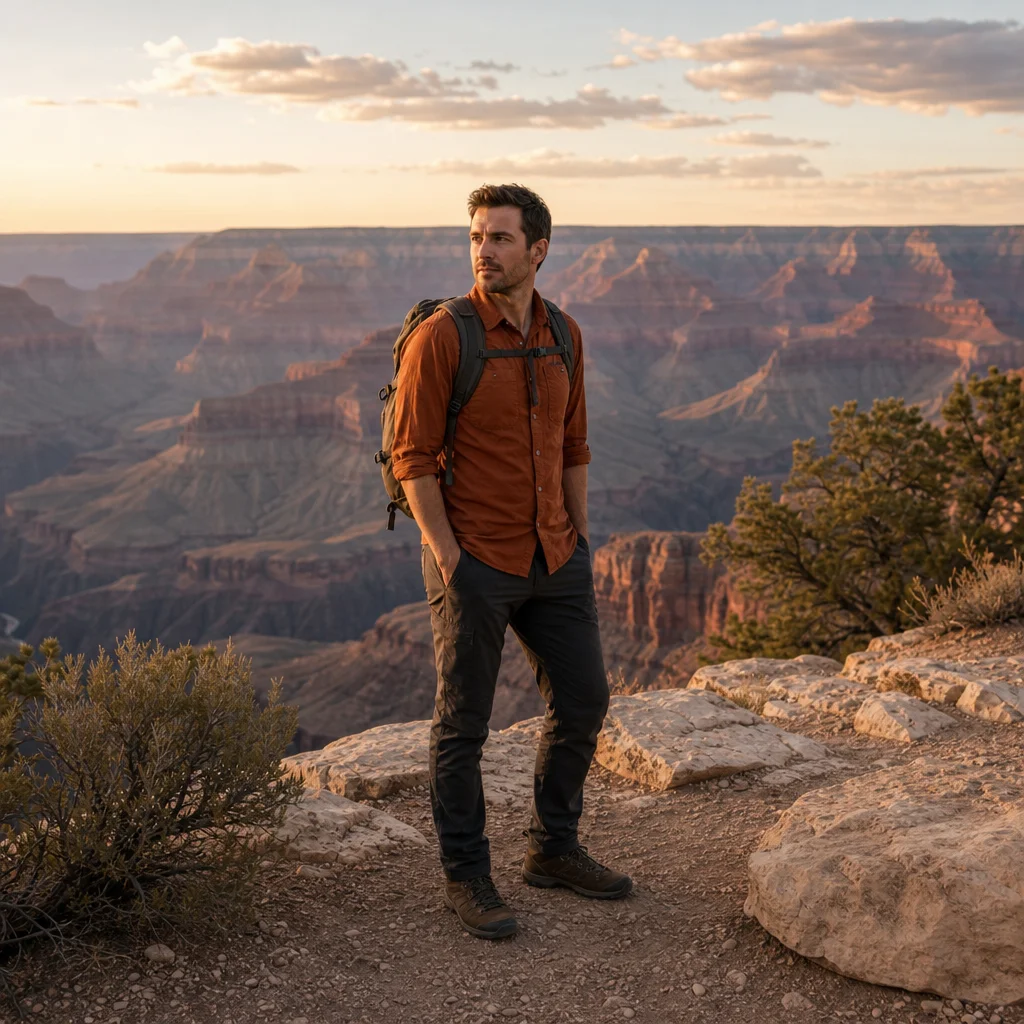
The first warning may not be dramatic. Clouds build behind the ridge, the air turns still, and the bright morning loses its clean edges. You may still be below the steepest terrain, with the summit visible and plenty of time invested. That is exactly when a thunderstorm decision becomes difficult: the danger is developing, but the objective still feels close enough to defend.
A hike interrupted by thunderstorms is rarely decided by one observation. It is decided by the quality of your preparation, the terrain ahead, and your willingness to change the plan before the weather forces you to. The critical choice often comes before the ridge, while you still have ordinary ground beneath your feet.
Prepare before the trailhead
Set a weather-based objective, not only a destination
A summit or ridge is a destination. Your weather plan should include an earlier decision point where you will reassess and, if necessary, turn around. Pick that point before you start walking.
Useful decision points include:
- the last sheltered area before open terrain;
- the point where the trail leaves trees for a ridge, talus slope, or broad alpine bench;
- a junction where you can safely shorten the route;
- a turnaround time that leaves daylight and energy for the descent.
The purpose isn't to predict the storm perfectly. It is to prevent the summit from becoming the only outcome you can imagine. If the ridge is the most exposed part of the route, make the ridge entrance a firm reassessment point rather than treating it as a passage you will cross automatically.
Check the forecast for the specific mountain area, not just the nearest town. Look for thunderstorm probability, storm timing, wind, precipitation intensity, freezing levels, and visibility. A forecast that appears acceptable at a valley trailhead may not describe conditions several thousand feet higher.
Carry a map that shows your position in relation to cover, escape routes, and terrain traps. A phone can help with weather updates and navigation, but it shouldn't be your only way to understand the route or find your way back. Keep it protected from rain and cold, and start with enough battery for the entire outing.
Know what “shelter” means
A shallow overhang, isolated tree, summit structure, or abandoned mining feature may look reassuring without providing dependable protection from lightning, wind, rockfall, or flash runoff. Before the hike, identify substantial buildings or lower, sheltered terrain that you could reach without crossing more exposed ground.
In many mountain environments, there may be no true shelter near the objective. That changes the decision before you leave. If the only refuge is far below the ridge, a storm developing overhead isn't a problem you can solve by walking a little faster.
Pack for a retreat rather than an ideal ascent. Waterproof layers, warm insulation, food that can be eaten without cooking, a headlamp, first-aid supplies, and a navigation backup all matter more when the plan changes. Trekking poles can improve stability on a wet descent, but they don't make exposed terrain safe during lightning activity; you need to know when to stow them and leave the high ground.
Check the mountain-specific forecast: Before setting out, compare the latest forecast and any current alerts from the relevant weather service, park, forest, or land manager. Regulations, closures, and lightning guidance can change, and conditions at the ridge may differ sharply from those at the trailhead.
Read the approach, not just the sky
Weather decisions improve when you combine several small clues. No single cloud shape or temperature change proves that a storm is approaching, but a pattern can show that your margin is shrinking.
Watch for:
- cumulus clouds growing rapidly in height or darkening underneath;
- increasing wind, especially a cool gust arriving ahead of rain;
- distant rain shafts or curtains moving across neighboring valleys;
- thunder, even when the sky above you still looks bright;
- a sudden drop in temperature or a strange stillness followed by gusts;
- worsening visibility on the ridge or in saddles;
- hail, graupel, or heavy rain beginning at higher elevations.
Don't rely on hearing thunder as your first warning. Wind, terrain, and distance can hide it, and a storm may already be close by the time you notice it. Lightning can also occur outside the heaviest part of a rain shaft. If you can see lightning or hear thunder, treat the route toward exposed high ground as a poor bet.
Look down as carefully as you look up. Wet slabs, loose scree, muddy switchbacks, and rising water in gullies can make the return more hazardous than the ascent. A route that is manageable in dry conditions may become a slip, rockfall, or navigation problem after a short burst of rain.
The important question isn't, “Can I still reach the ridge?” Ask instead, “What conditions will I have to cross to get back?” If the answer includes an exposed traverse, slick ledges, a narrow crest, or a creek that may rise, your turnaround threshold should move earlier.
Make the decision before the ridge
A useful decision is specific and observable. “If the weather feels bad, I’ll turn around” leaves room for negotiation with yourself. A stronger rule sounds like this: “If thunder is audible before I reach the final sheltered section, I will stop the ascent and descend.”
You can set several thresholds:
- Forecast threshold: The updated forecast shows storms arriving earlier than your planned time on exposed terrain.
- Observation threshold: Clouds are building quickly, rain is visible nearby, or thunder is audible.
- Terrain threshold: The route ahead becomes open, high, narrow, or difficult to retreat from.
- Time threshold: You no longer have a comfortable margin for a slow, wet descent in daylight.
- Group threshold: A member of the party is cold, anxious, fatigued, or unable to maintain a safe pace.
Any one of these can justify changing the objective. You don't need to prove that a strike is imminent. Risk reduction is about avoiding a situation in which your remaining choices become poor ones.
This is also where group communication matters. State the concern plainly: “The storm is building, and the ridge gives us no good shelter. I’m turning around at the trees.” Avoid turning the discussion into a debate over who is brave enough to continue. The decision should be based on exposure and escape options, not confidence or the amount of effort already spent.
Sunk effort has no protective value. The hours behind you can't make the terrain ahead safer. A lower viewpoint, a nearby lake, or a visible summit may feel like evidence that you should continue, but proximity can increase pressure at exactly the wrong time.
When the objective changes
Turning around before the ridge isn't the same as abandoning the entire day. If conditions remain stable and the route is safe, you may choose a lower destination, a sheltered viewpoint, or a return to the trailhead. The replacement objective should be lower, easier to navigate, and meaningfully less exposed—not merely a different name for the same hazard.
Once you decide to descend, act without lingering at the decision point. Move away from ridgelines, summits, isolated high points, and broad open slopes. Avoid clustering tightly with other hikers. Keep the group together at a pace that doesn't create falls or separation, and account for the slowest person.
If lightning is nearby, follow current guidance from local authorities for reducing exposure. In general, lower terrain away from ridges and isolated objects is preferable to high, open ground, but no outdoor position is completely safe in an exposed mountain storm. Don't shelter beneath an isolated tree or stand beside metal structures, fences, or poles. If you must wait temporarily, spread the group out and avoid lying flat on the ground.
The descent may require a second decision. Rain can turn a straightforward trail into a route that is no longer reasonable for your party. If visibility collapses, stop in a location that doesn't expose you to falling rocks or water and confirm the route before moving. If a creek is rising or a crossing becomes forceful, don't assume it will be safer after you reach the other side. Look for a documented alternative or retreat to a safer position.
A waterproof layer is useful only if you put it on before you are soaked. Cold rain, wind, and fatigue can degrade judgment quickly. Eat and drink while moving or during a safe pause, and use the headlamp before darkness makes route-finding difficult. These are ordinary actions, but they preserve the ability to make another good decision later.
Separate disappointment from judgment
You may feel frustrated after turning around. That reaction doesn't mean the decision was wrong. A sound turnaround can leave you with no dramatic proof that danger would have followed. The storm may weaken, the summit may clear, and other hikers may continue. None of those outcomes retroactively improve the choice to avoid worsening exposure.
Review the decision using information available at the time. Did you identify the exposed section? Did you recognize changing conditions? Did you retain a workable retreat? Did the group have enough energy and daylight to descend? Those questions are more useful than asking whether the summit eventually received rain.
After the hike, record what you observed and when: cloud growth, wind shifts, thunder, rain location, trail condition, and the point where you turned around. This builds judgment without turning hindsight into overconfidence. On the next outing, you may choose an earlier start, a lower objective, a more conservative route, or a season with a wider weather margin.
Field-ready decision checklist
Before leaving the trailhead, you should be able to answer these questions:
- What is the first point where the route becomes exposed?
- Where can you safely turn around before reaching it?
- What forecast source covers the actual mountain area?
- What signs will trigger an immediate descent?
- Where are the substantial shelters or lower, safer areas?
- Do you have enough food, water, insulation, navigation capacity, and daylight for a wet retreat?
- Does everyone in the group agree that turning around is an acceptable outcome?
If thunder is audible, lightning is visible, the storm is advancing toward your route, or the return path is becoming unsafe, don't continue toward the ridge to preserve the original plan. Change the objective while you still have room to choose. A disappointing descent made from lower, navigable terrain is a successful risk decision; reaching the ridge after your options have narrowed isn't.