What a First Solo Overnight Revealed About Packing and Pacing
I’ll show how a first solo overnight can expose wasteful packing, late camp decisions, and rushed pacing—then turn those lessons into a lighter, calmer, more affordable second day.
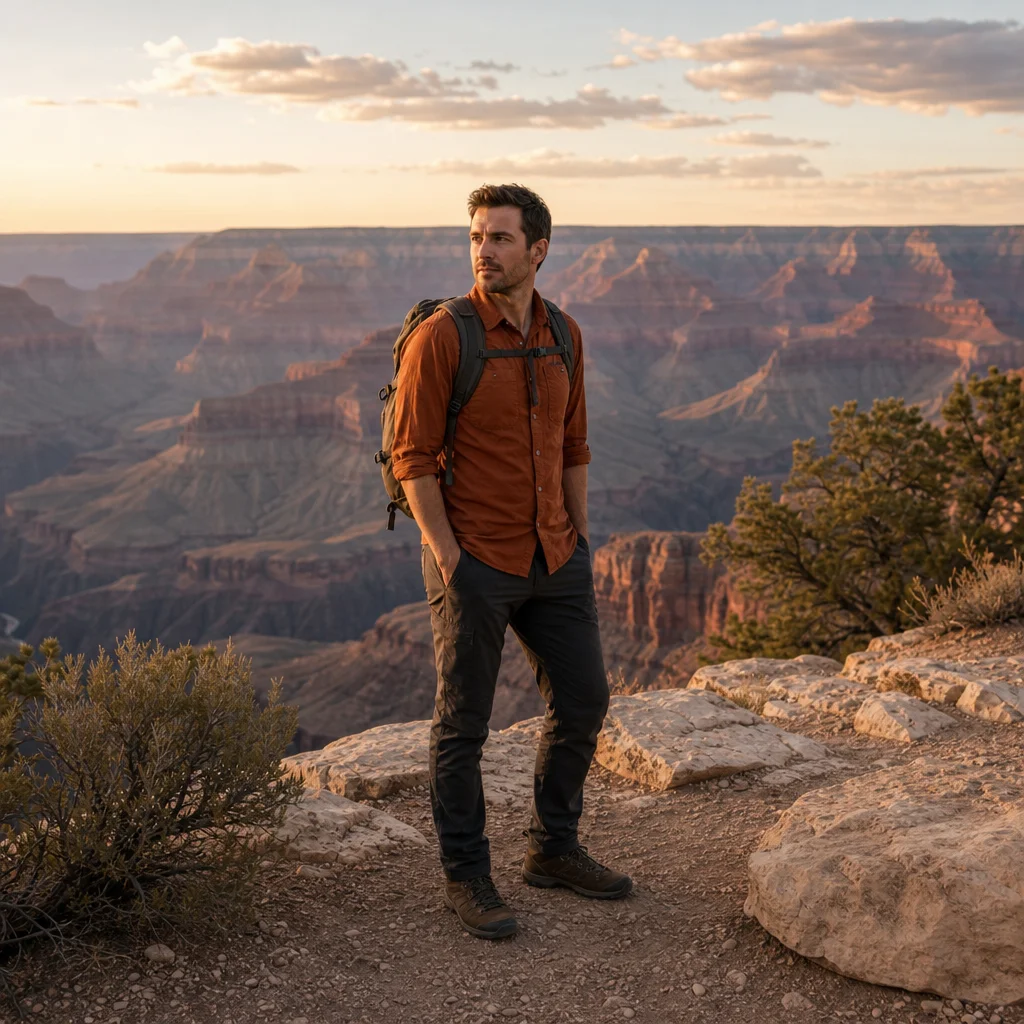
A first solo overnight changes the meaning of every item in your pack. When nobody else can lend you fuel, share a shelter task, or confirm that the trail turns ahead, small choices become visible. A stove that seemed compact may feel inconvenient. A generous food plan may become unnecessary weight. A late departure can turn an ordinary camp setup into a tired search for level ground.
That is the useful part of a first solo trip. You learn where your system spends effort, money, and attention. The goal isn't to remove every discomfort. It's to notice which discomforts are avoidable and which supplies genuinely earn their place.
Preparation: Pack for the trip you can actually manage
Before you weigh individual items, define the trip's workload. A short overnight near a reliable water source has different requirements from a remote route with a long climb, uncertain weather, or difficult navigation. Packing lists copied from another trip often create waste because they solve conditions you won't face.
Start with four questions:
- How far will you travel before camp, and how much elevation will you gain?
- Where will you get water, and will treatment be necessary?
- What must remain usable if rain, wind, or cold slows you down?
- Which items serve more than one purpose without creating a serious failure point?
This approach helps you spend money selectively. You may not need a lighter shelter, a new cooking system, or specialized clothing for one overnight. Adjusting quantities and improving organization often produces a larger benefit than replacing equipment.
Separate essential weight from convenience weight
Essential weight supports shelter, warmth, hydration, food, navigation, first aid, and communication. Convenience weight saves a little time or adds comfort. Neither category is automatically right or wrong, but confusing them makes a pack grow unnoticed.
For a first solo trip, convenience can be worthwhile when it reduces mistakes. A familiar stove, an easy-to-use water filter, or a slightly larger power bank may be sensible choices even if lighter alternatives exist. The most efficient system isn't always the one with the lowest scale weight. It is the one you can operate when tired, cold, or distracted.
Pack convenience items deliberately. Ask what problem each one solves, how often that problem is likely to occur, and whether a cheaper item already in your home can do the job. If the answer is vague, leave it out for a short trip and record whether you missed it.
Build a simple food and fuel plan
Food weight is easy to overestimate because uncertainty feels uncomfortable. You don't need a complicated menu, but you do need enough energy for the route, weather, and your appetite. Choose familiar foods that require little preparation and divide them by meal rather than carrying a loose collection of snacks.
Fuel deserves the same treatment. Bring enough for the planned meals and a modest margin for delays, but avoid automatically carrying a full canister or bottle for a trip that uses only a small portion. If you already own multiple fuel containers, use the smallest appropriate one and track actual consumption on future outings.
Don't buy special backpacking food until your regular grocery options have failed you. Instant grains, tortillas, nut butter, dried fruit, soup, and other shelf-stable foods may be cheaper and easier to replace. The best first-trip meal is usually the one you know you'll eat after a long walk.
Check the route's current requirements: Confirm local camping rules, water availability, fire restrictions, and any permit or reservation needs before you leave. These conditions vary by land manager and can change with weather or seasonal closures.
Observation: Notice the costs before they become problems
A solo trip gives you more information because there is no group pace to hide behind. Pay attention to repeated small delays. They often reveal a system problem before discomfort becomes a safety issue.
If you stop several times to rearrange your hip belt, an item may be packed poorly or the load may be heavier than your current conditioning supports. If you keep removing your rain shell to reach another layer, your clothing system needs a more accessible arrangement. If you hesitate at every junction, your navigation plan is asking too much from memory.
Keep a short record during the trip. You don't need a detailed journal. Note the time you started, the time you reached likely camp areas, the point where you first felt rushed, and any item you used or carried without touching. These observations are more valuable than a generic list of gear you think you should own.
Watch for pacing errors early
The first miles often feel easy because your body is fresh and the pack is full of optimism. A fast start can create a hidden debt. You may arrive at water tired, reach camp later than expected, or spend the final hour walking when you should be setting up.
Use the first part of the route to establish a sustainable rhythm. Keep your breathing controlled on climbs, shorten your stride before steep terrain forces you to, and take brief breaks before you feel depleted. A few planned pauses usually cost less time than one long recovery stop.
Your pace should account for tasks beyond walking. Water collection, route finding, clothing changes, photographs, and snack preparation all consume daylight. If a map estimate suggests you can reach camp near sunset, treat that as a warning rather than a target. Arriving with time to spare makes shelter setup, cooking, and navigation decisions less expensive in energy and stress.
Action: Make camp before the day becomes complicated
Camp timing is one of the clearest lessons from a first solo overnight. A campsite can look easy to find while you have daylight and patience. The same search becomes harder when you are hungry, visibility is falling, and every flat patch appears occupied or unsuitable.
Choose a decision point before the final approach. It might be a specific time, distance, junction, or remaining daylight threshold. Once you reach it, stop looking for a perfect site and evaluate the available options. A site that is legal, safe from obvious hazards, reasonably level, and workable for your shelter is usually better than a longer search for comfort.
Set up the shelter before cooking. This order protects the most important task from a sudden shower or fading light. Keep your sleeping insulation dry, organize your headlamp and water treatment where you can reach them, and place small essentials in consistent locations. Solo systems become more reliable when you don't have to remember where you put everything.
Cooking can stay simple. Eat before you are exhausted, and don't turn dinner into an equipment test. If a meal requires several steps, practice it at home or on a low-consequence day trip. A cheaper, familiar meal that takes five minutes is often a better use of resources than an elaborate option that requires extra fuel, cookware, or cleanup.
Make quiet navigation decisions deliberately
Solo navigation doesn't need to be dramatic to be important. The useful decisions happen early: checking the next junction, confirming the direction of travel, and noticing whether the terrain matches the map. Don't wait until you are completely uncertain before stopping.
At each significant turn, identify three things: where you are, where you intend to go next, and what feature should confirm that choice. That habit reduces backtracking, which costs both time and energy. It also prevents a small mistake from becoming a rushed descent after dark.
Keep navigation tools accessible. A phone buried under food and spare clothing is less useful than a paper map or downloaded route that you can consult without unpacking half your bag. Carry a backup method appropriate to the terrain and remoteness, and know how to use it before the trip.
If the route stops making sense, pause. Don't spend resources trying to preserve a schedule that no longer fits the conditions. Retrace the last confirmed point, compare the terrain with your map, and choose the safest known option. Turning around is a navigation action, not a failure.
Changing conditions: Let the second day guide the first
The second morning shows whether your first day's decisions were sustainable. A heavy pack, late camp, poor meal, or damp clothing can make a modest return feel much harder. Plan the first day with tomorrow in mind.
Leave enough food, water, and daylight margin for the exit. If the return route includes a climb, avoid spending all your energy on the approach. If weather may worsen overnight, arrange your shelter and clothing so you can pack efficiently without exposing critical gear. A few minutes of organization at night can save a cold, frustrating start.
On the second day, notice what remains difficult. If you are sore but moving normally, the trip may have exposed a conditioning or pacing issue. If your feet hurt sharply, your clothing stays wet, or you are struggling to maintain direction, treat those as system problems requiring a change rather than proof that you need more determination.
Afterward, divide your notes into three lists:
- Remove: items you carried without a useful reason.
- Reposition: items that were useful but difficult to reach or operate.
- Replace or repair: items that failed, leaked, broke, or created repeated trouble.
This order protects your budget. Remove weight before buying lighter replacements. Reposition gear before redesigning your entire pack. Replace only the item that caused a real problem, and test the change on a shorter outing before relying on it overnight.
A field-ready decision threshold
A successful first solo overnight doesn't require perfect comfort or an ultralight kit. It requires enough margin to make clear decisions when the route, weather, or your energy differs from the plan.
Before leaving, confirm that you can answer yes to these questions:
- Can you identify where shelter, water, food, and navigation equipment are packed?
- Do you have a realistic camp deadline rather than relying on sunset as your setup time?
- Can you turn around or stop early without running short of essentials?
- Have you tested the stove, shelter, water system, and navigation tools you intend to use?
- Is every planned purchase solving a demonstrated problem rather than easing general uncertainty?
If the answer to one of these is no, adjust the route, schedule, or system before adding more gear. The most useful lesson from a first solo overnight is often economical: better timing and clearer organization can buy back more comfort and safety than an expensive upgrade.