A Family Hike That Needed Three Turnaround Points
I’ll compare three ways a family hike can change course—turning around early, setting a shorter endpoint, or dividing the group—so you can match snack timing, energy levels, and weather changes to a successful finish.
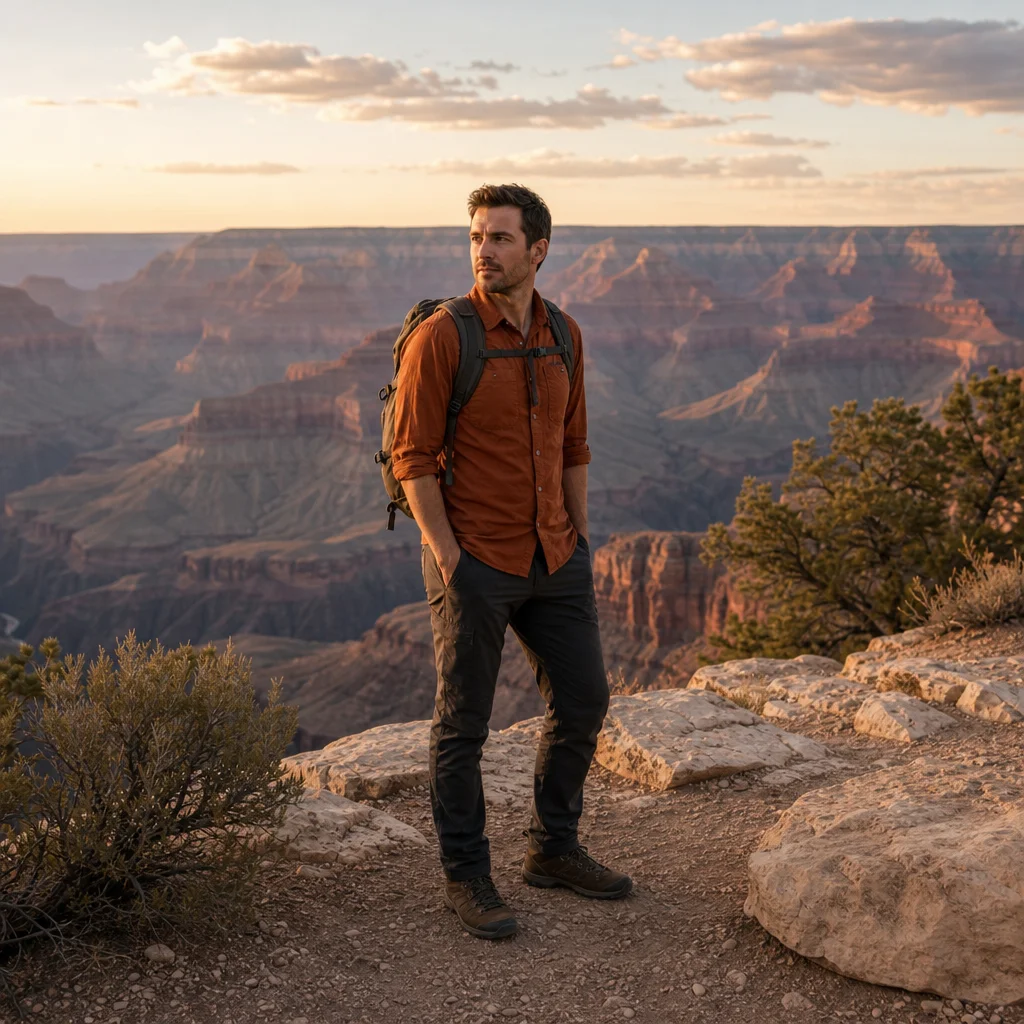
The first sign that a family hike is going wrong is rarely dramatic. One child stops talking. Someone begins walking several steps behind. The adults start negotiating about the next bend instead of noticing the trail. If clouds are building, snacks are running low, or the route is taking longer than expected, the useful question isn’t whether you can still reach the original destination. It’s whether that destination still makes sense for the group in front of you.
A hike that needs three turnaround points can still be a successful outing. The important part is recognizing that each decision is a change in the plan, not a failure of preparation.
Start with a destination that can move
Families often choose a hike by its advertised endpoint: a waterfall, overlook, lake, or summit. That gives the outing a clear purpose, but it can also turn the endpoint into a deadline. Once the group is tired, every nearby stopping place feels like an interruption rather than a valid finish.
Before you start, identify three locations:
- The ideal endpoint: the destination you’d reach if energy, time, weather, and attention all hold.
- The practical endpoint: a viewpoint, bridge, meadow, junction, or other recognizable place that still makes the outing worthwhile.
- The safe turnaround point: the location beyond which the conditions or the group’s state no longer justify continuing.
These points may be close together on a short trail or separated by a considerable distance on a longer one. The labels matter more than the mileage. Children and beginners usually handle a clear, achievable target better than a vague promise that the best part is “just ahead.”
Tell everyone the plan in simple terms: “We’re walking to the first lookout if we’re feeling good. If not, the creek crossing is our finish. We turn around sooner if the weather or anyone’s energy changes.” That explanation gives the group permission to stop before frustration becomes the main feature of the hike.
First turnaround point: energy drops before the route gets difficult
The first turnaround point often appears during an ordinary section of trail. Nobody is in danger, but the group’s pace has changed. A child may be asking how much farther it is every few minutes. A beginner may be stepping carefully over terrain that looked easy from the trailhead. One adult may be carrying more water, clothing, and snacks than expected.
This is the moment to pause rather than push through automatically.
Look at the group’s condition, not only the distance remaining. Ask:
- Is anyone unusually quiet, irritable, shaky, or unsteady?
- Has the group had water and food recently, or only promises of a break later?
- Is the current pace sustainable for another hour?
- Will the return trip be harder than the walk so far?
- Is there enough daylight and attention for the planned route back?
A short break can solve a temporary problem. Give people a chance to drink, eat, adjust a layer, and sit somewhere stable. Avoid turning the pause into a courtroom where everyone must defend continuing. If the group is comfortable again, continue to the practical endpoint rather than immediately restoring the original plan.
If the same complaint returns quickly, treat that as information. The problem may not be hunger or tiredness; it may be that the route is simply longer or more demanding than this group can enjoy today. Turn around while people still have enough energy to return calmly.
Snack timing is part of route planning
Food works best as prevention, not as a reward reserved for the destination. Waiting until someone is openly miserable can make a short break feel too late. A family hike benefits from a predictable rhythm: eat before the group reaches the point where concentration and patience begin to disappear.
Choose snacks that are easy to open and eat without a long stop. Keep a portion accessible rather than buried at the bottom of a pack. Pair quick foods with something more filling, and remember that different people may need different amounts. A child who refuses a sandwich may still accept crackers, fruit, or another familiar option.
Use the break to check more than hunger. Look at water, layers, footwear, and the weather. If the group is eating while standing in wind or drizzle, that is a condition to account for, not merely an inconvenience. A snack stop that requires everyone to remain exposed may be a reason to shorten the plan.
The most useful snack question isn't “Who wants something?” It’s “What does everyone need before we decide what happens next?” That wording encourages a real assessment instead of waiting for the loudest complaint.
Second turnaround point: weather changes the decision
A weather change can turn a comfortable route into a poor choice without making the trail technically difficult. Wind can chill a stationary group. Rain can make rocks, roots, and crossings harder to manage. Heat can make the return more demanding than the outward walk. Thunder, falling branches, rising water, or poor visibility deserve more weight than the appeal of the endpoint.
When conditions change, stop and compare the route ahead with the route back. Don’t evaluate only the next few minutes. Consider where the group will be if the weather continues for another half hour, and whether anyone has the clothing, water, and energy needed for that possibility.
This is often the second turnaround point: the group may still be moving well, but the environment has changed enough that the original objective no longer fits. A shorter endpoint can preserve the outing if it offers a sheltered or recognizable place to pause. If the weather is worsening and there is no reasonable sheltered option, return to the trailhead instead of searching for a better compromise farther along.
Avoid presenting the decision as a vote between adults and children. Give a clear reason and a clear action: “The wind is increasing, and we don’t have a good place to wait ahead. We’re turning around now.” Calm decisions are easier for children to accept when they’re made before discomfort becomes fear.
Check the trail’s conditions before you leave: Review the current forecast and any available trail or park notices, including closures, hazards, water levels, and local emergency guidance. Conditions can change after you start, so carry a way to contact help and don’t rely on an old route description alone.
Third turnaround point: frustration takes over
The final turnaround point is less about distance or weather and more about the group’s ability to make good decisions. Frustration may show up as arguing, rushing, refusing water, wandering off the trail, or treating every instruction as a challenge. Adults can reach the same state through pressure to keep the schedule, disappointment about missing the destination, or embarrassment that the hike isn't unfolding as planned.
Once attention and cooperation have deteriorated, continuing usually increases the cost of the return. The group may move more slowly, make more mistakes, and use up the patience needed for the less exciting walk back. This is the point to name the endpoint you can still achieve successfully.
That endpoint might be the last snack break, a nearby junction, or the trailhead itself. If you’re close to a safe, appealing feature and everyone can reach it without strain, make that the finish. If not, stop trying to create a consolation prize. A calm return with energy left is better than a final view reached through tears and resentment.
Give the group a small job for the walk back. One person can watch for trail markers, another can check that nobody falls too far behind, and an adult can set a steady pace. Keep conversation simple. The goal is no longer exploration; it is an orderly return.
Three approaches to changing the plan
When the original hike stops fitting the conditions, you generally have three choices.
Turn around as a group
This is the simplest and usually the safest option for families. Everyone shares the same route and the same information, and nobody has to manage a tired child alone. Choose it when weather is deteriorating, energy is uneven, the route back has demanding terrain, or the group’s attention is slipping.
The trade-off is that you may miss the destination even though some people could continue. That disappointment is real, but it’s easier to manage than a split group or a rushed return.
Set a nearer endpoint
A shorter endpoint works when the conditions remain manageable and the group can reach a clear stopping place without using its remaining reserves. It’s useful when the ideal destination is too far but the trail offers a meaningful alternative.
Be specific about the new endpoint and stop there. Don’t let “just a little farther” quietly turn the practical endpoint back into the original one.
Divide the group
Splitting up can appear efficient: one adult continues with stronger hikers while another returns with those who are tired. In practice, it adds communication, supervision, navigation, and timing demands. It should only be considered when the trail, group, equipment, and local rules make the arrangement genuinely manageable, and when every person has a responsible adult and a clear plan.
For many families and beginner groups, staying together is the better choice. The destination is optional; supervision and a reliable return aren't.
Make the successful finish obvious
At the new endpoint, mark the decision as complete. Eat, drink, take a photo, look at the map, or spend a few quiet minutes observing the surroundings. Don’t describe the stop as what the group “had to settle for.” Children learn from the language adults use about changing plans. A shorter hike that ends with everyone regulated, fed, and interested in coming back is a useful outcome.
Before leaving, check the group again. The return may require more care than the outward journey, especially if the trail is uneven or the weather has continued to change. Keep the pace appropriate for the slowest person, and make another break before the next problem becomes urgent.
A family hike needs a turnaround point whenever the original plan no longer matches the group’s energy, the available daylight, the weather, or the route ahead. You don’t need to justify the decision with a dramatic hazard. A steady pattern of small warning signs is enough.
Field-ready decision checklist
Turn around or shorten the hike when:
- someone is showing persistent fatigue, poor coordination, or distress;
- food, water, warmth, or attention is becoming difficult to manage;
- weather makes the route or the return less predictable;
- the group can no longer maintain a safe, cooperative pace;
- the remaining distance would consume the energy needed to get back;
- continuing is mainly about protecting the original plan.
The best endpoint is the one that lets everyone finish with enough energy to return safely—and enough goodwill to consider another trail.