How to Choose a Rain Layer for a Humid Forest Instead of a Cool Ridge
I’ll help you compare rain layers for wet, humid forests and cooler exposed ridges, focusing on the details that most affect comfort and reliability: breathability, ventilation, durability, fit, layering space, and what to do when your jacket starts trapping moisture.
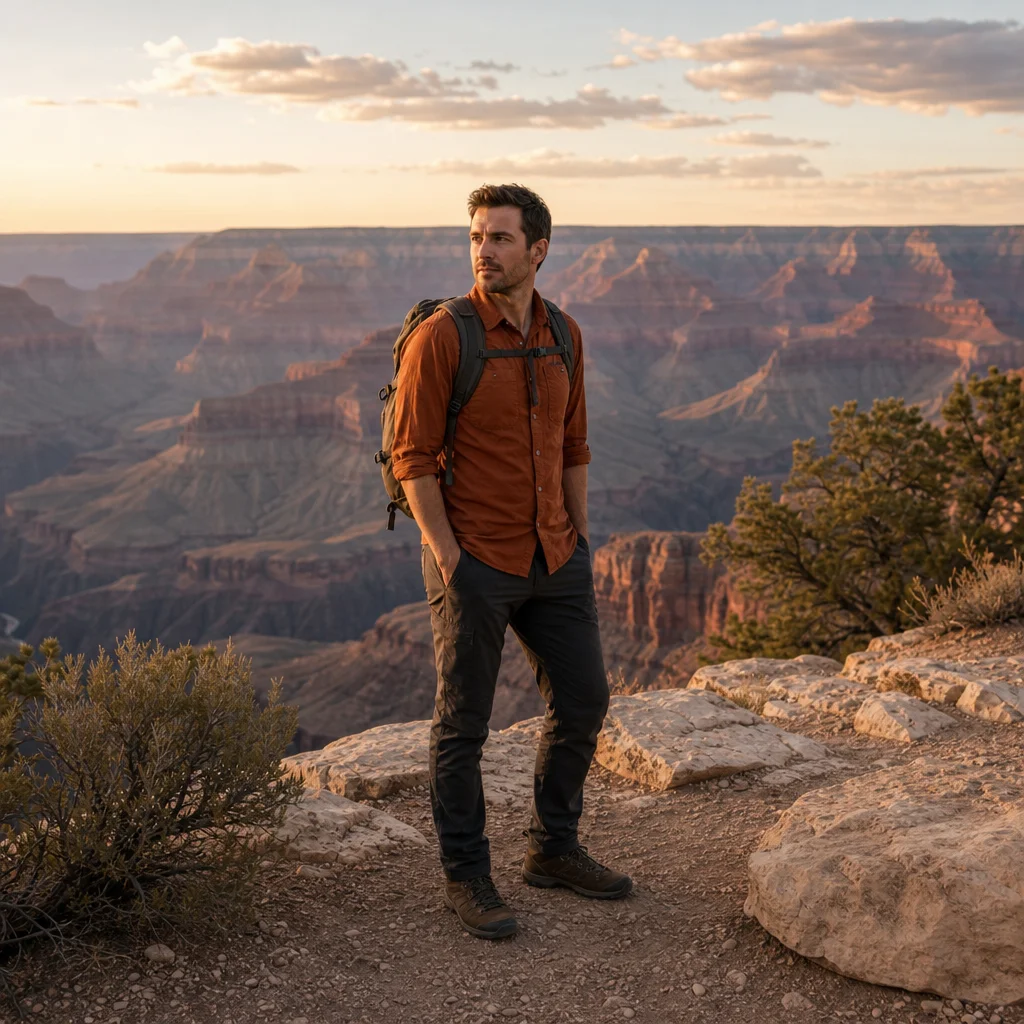
Rain layers behave very differently in a dripping forest than they do on a cool, windy ridge. In the trees, the air may already feel saturated, your sleeves may brush wet vegetation, and hard climbing can turn the inside of a waterproof jacket damp within minutes. Above treeline, wind and falling rain can make the same jacket feel protective rather than stifling—especially when worn over warm layers.
The best choice is rarely the jacket with the highest-sounding waterproof rating. It’s the layer that manages the conditions you’re most likely to face, fits over your clothing, vents when you’re working hard, and remains dependable after repeated contact with branches, rock, pack straps, and mud.
Start with the environment, not the jacket
A humid forest and a cool ridge create different problems.
In a humid forest, rain often arrives with limited airflow. Vegetation may hold water against your shoulders and hood, while a dense canopy reduces wind. You may be moving uphill at a steady pace, producing more body heat than the outside temperature suggests. Under those conditions, breathability matters, but no waterproof shell can move moisture efficiently when the air outside is nearly as damp as the air inside.
Your main concerns are usually:
- Excess condensation inside the jacket
- Wet brush and abrasion against the fabric
- A hood that interferes with visibility among branches
- Pockets and zippers that are difficult to operate with wet hands
- A fit that becomes restrictive over a warm midlayer
A cool ridge presents a different balance. Wind can strip heat quickly, and rain may be mixed with sleet or driven horizontally. You may stop sweating as soon as you reach an exposed section, but the jacket still needs to block wind and fit over insulation. Durability remains important, particularly where pack straps and rock contact concentrate wear.
Your ridge priorities are more likely to be:
- Reliable wind and rain protection
- Room for a fleece or light insulated layer
- A secure hood that turns with your head
- Cuffs that seal over or under gloves
- A hem and pockets you can adjust without exposing your base layers
If both environments are part of the same trip, choose for the most consequential conditions—not simply the place where you expect to spend the most time. A clammy jacket in the forest is uncomfortable. A jacket that can't accommodate insulation or control wind on an exposed ridge can become a more serious problem.
Check the day’s exposure: Before choosing your layering setup, compare the forecast for the forest, the high point, and the descent. Wind, temperature, precipitation type, and time spent exposed can matter more than the trailhead conditions.
Choose the shell type by how you move
For most hikers, a waterproof-breathable shell is the most versatile rain layer. It protects against rain and wind while allowing some interior moisture to escape. Its performance depends on the membrane or coating, the fabric construction, the temperature difference between your body and the outside air, and how much you are exerting yourself.
A lightweight shell is easier to carry and often feels less restrictive in wet forest conditions. It works well when rain protection is occasional, your pack is light, and you can avoid prolonged contact with rough surfaces. The trade-off is reduced abrasion resistance and less room for substantial layers.
A more durable shell uses tougher face fabric and may tolerate repeated brushing against branches, scrambling, or a loaded pack better. It can be a sensible choice for ridge routes and rough trails, but it may feel warmer and bulkier in humid lowland conditions. Durability is useful only if the added weight and reduced ventilation don’t make you leave the jacket in your pack or hike with it unzipped in heavy rain.
A soft shell or wind shell can be comfortable in cool, lightly damp conditions, but it shouldn't be treated as a substitute for a rain layer unless its design specifically provides the protection you need. Persistent rain, wet vegetation, and prolonged exposure can overwhelm fabrics that are merely water resistant.
For a mixed forest-and-ridge route, look for a shell that balances moderate durability with meaningful ventilation. A jacket with pit zips, generous front-zip adjustment, or effective venting through pockets gives you more control than a highly minimal shell with no way to release heat.
Prioritize ventilation you can use while moving
Breathability is often discussed as if it works automatically. In practice, you need to help the jacket release heat and moisture.
Pit zips are one of the most direct tools. They can dump heat during a steep climb without requiring you to remove the jacket. They also give you a useful middle setting: more ventilation than a fully closed shell, but more protection than hiking with the front open.
A two-way or adjustable front zipper can help, although opening the jacket exposes your torso to rain. Pocket vents may be useful when their openings are positioned to release heat, but pockets filled with gloves, a phone, or snacks may not ventilate effectively.
Cuffs and hem adjustments also affect comfort. A tight cuff can limit airflow and make the sleeves feel damp. A hem that rides up under a hip belt can expose clothing and trap moisture around your waist. You want enough adjustment to seal out wind and rain when needed, without making the jacket difficult to regulate.
In the forest, start venting before you become soaked with sweat. Once your base layer is wet, opening the jacket may cool you without quickly drying the clothing. On a ridge, close the vents before the trail becomes exposed and windy. The correct setting can change within a few minutes.
Fit the jacket around your real layering system
Try the rain layer over the clothing you actually use, not just a thin shirt. Raise your arms, reach forward as if using trekking poles, and bend at the waist. The hem should stay over your clothing, the shoulders shouldn’t pull tight, and the sleeves should cover your wrists when your arms are extended.
For humid forest hikes, avoid excessive room that creates unnecessary bulk and catches on branches. You still need space for a base layer and perhaps a light fleece, but an oversized shell can feel cumbersome during frequent movement through vegetation.
For cool ridges, make sure the jacket fits over your insulating layer without compressing it. A compressed layer loses some of its loft and warmth. Check that the hood can fit over your usual hat or insulation layer and still turn with your head. If the hood moves independently while you look sideways, it can block your view or leave one side of your face exposed to wind-driven rain.
A good hood should adjust at the face and around the back of the head. A brim helps keep water off your eyes, but the most important feature is predictable control. You should be able to tighten it before entering exposed terrain rather than stopping to wrestle with several cords in a gust.
Match durability to the trail’s contact points
Rain layers usually wear out first where the trail and your equipment repeatedly touch them. Inspect the shoulder area under pack straps, the hips where a belt may rub, the elbows, and the lower back. In a dense forest, branches can snag the outer fabric. On a ridge, rock and rough surfaces can create concentrated abrasion.
A durable shell isn't indestructible. Avoid leaning against sharp rock, dragging the jacket across rough ground, or stuffing it wet into a pack for long periods. Keep it separated from objects that can puncture or abrade it, and follow the garment’s care instructions when cleaning it. Dirt and body oils can reduce water beading on the outer fabric, even when the waterproof layer underneath remains intact.
Water beading isn't the same as waterproofing. When the outer fabric stops shedding droplets and becomes saturated, the jacket may feel cold and clammy, and its breathability can decline. That doesn't automatically mean the membrane has failed. Look for a care-related problem before replacing the jacket.
Recover when the jacket feels wet inside
First, determine whether the moisture is condensation or a leak. Condensation is usually widespread, especially on the back, chest, and sleeves during hard effort. A leak is more likely to appear in a specific area, such as a seam, shoulder, pocket, or damaged panel.
Reduce exertion if the route allows it, open the pit zips or front zipper briefly, and remove a layer if you are overdressed. Keep moving at a moderate pace so you don’t cool too quickly, particularly when the trail reaches wind. If the inside of the jacket is wet but your base layer is still mostly dry, ventilation may solve the problem. If your base layer is soaked, use a sheltered stopping point to change or add a dry layer rather than continuing into exposed terrain.
When a jacket wets through, check the likely causes:
- The outer fabric is saturated. Clean and maintain it according to the manufacturer’s instructions.
- A seam or panel is damaged. Look for pinholes, delamination, torn tape, or abrasion.
- Water is entering through an opening. Check the hood, cuffs, hem, front zipper, and pocket closures.
- The jacket is being overwhelmed by conditions. Heavy rain, prolonged contact with wet vegetation, and pack pressure can exceed the practical limits of a lightweight shell.
Carry a simple backup plan on longer or exposed routes. A dry insulating layer protected inside your pack can be more useful than relying on a rain shell to keep every layer perfectly dry. Pack it in a waterproof liner or dry bag, and avoid opening that protection repeatedly in the rain.
Make the final choice
For mostly humid forest travel, favor a lighter or moderately durable waterproof shell with strong ventilation, a manageable hood, and enough room for a base layer or light fleece. Keep the fabric from becoming your only cooling system; pace and early venting matter just as much.
For routes that finish on a cool ridge, give more weight to wind protection, hood control, cuff adjustment, and fit over insulation. Accept some additional weight if it buys durability and dependable coverage where exposure has greater consequences.
For a mixed route, use this field checklist:
- Forest: Can you vent the jacket without removing it?
- Wet vegetation: Will the fabric tolerate brushing and repeated contact?
- Ridge: Does it fit over your warmest planned layer?
- Wind: Can the hood, cuffs, hem, and zipper close securely?
- Recovery: Do you have a dry insulating layer protected in your pack?
- Decision point: If your base layer is becoming soaked and exposed terrain is ahead, stop in shelter and adjust before continuing.
The right rain layer isn't the one that promises perfect comfort in every climate. It’s the one you can regulate, protect, and recover with when the trail changes from still and saturated to cold, wet, and exposed.