Choosing Between Waterproof and Breathable Hiking Pants
Waterproof pants stop rain, while breathable pants manage moisture better in dry or active conditions. I’ll help you match each option to weather, terrain, and effort so you avoid arriving soaked from either precipitation or sweat.
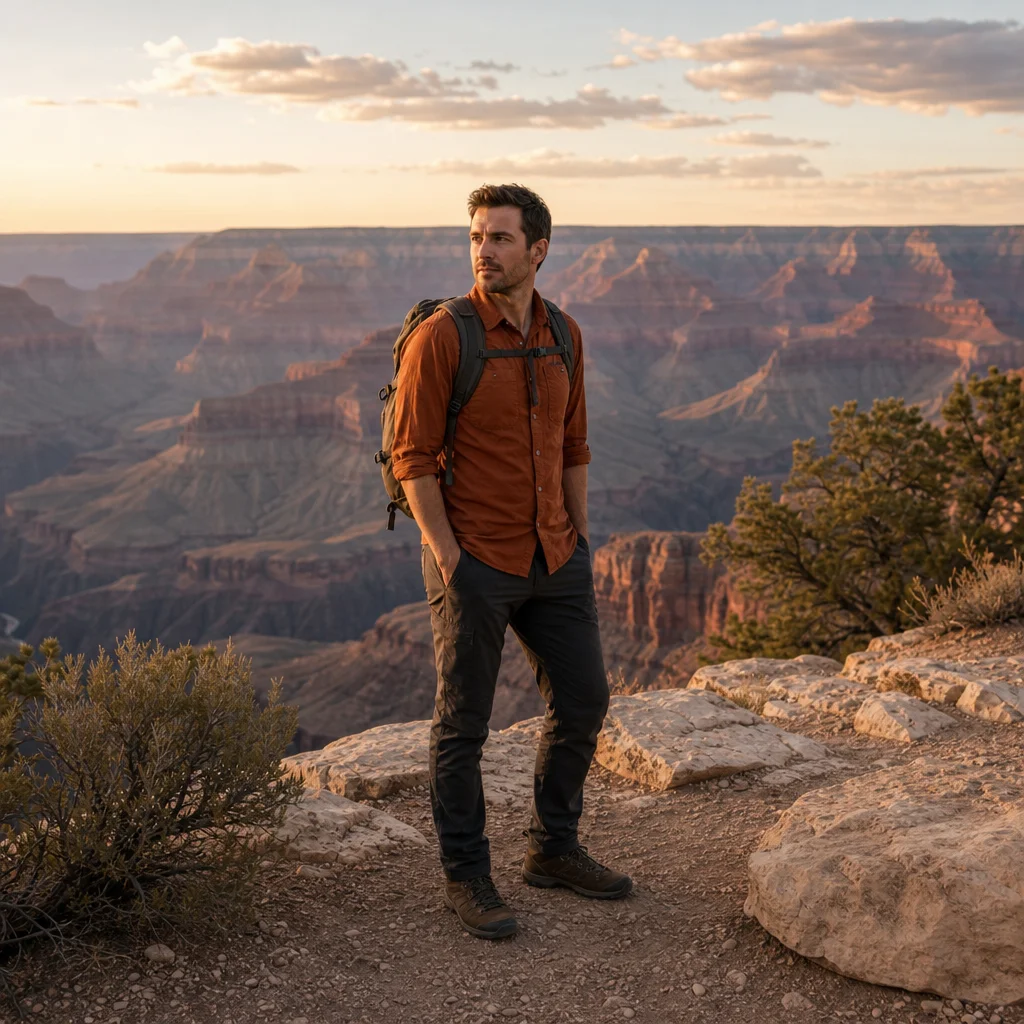
Rain protection and moisture management solve different problems, so the “better” hiking pant depends on which one is most likely to make you uncomfortable. Waterproof pants keep external water out; breathable pants usually feel cooler and less clammy when you’re moving hard but offer limited defense against sustained rain.
For most hikers, the decision becomes clearer when you consider four variables: precipitation, temperature, exertion, and how long you’ll be exposed. The difficult cases are the edges—warm rain, cold wind, wet brush, deep snow, and long climbs where even a good waterproof fabric can feel damp inside.
Start with the conditions, not the label
“Waterproof” and “breathable” describe fabric priorities, but neither term tells you exactly how a pair will perform on the trail. Waterproof pants generally use a coated or laminated shell fabric with sealed or protected seams. They’re designed to resist rain, snow, and wet vegetation. Breathability helps move some water vapor outward, but it won’t eliminate condensation when the inside of the garment is warmer and more humid than the outside air.
Breathable hiking pants are commonly made from woven nylon, polyester, or a stretch blend. They may shed a brief shower and dry quickly, but they aren’t intended to keep you dry through hours of steady precipitation. Their advantage is comfort during movement: less heat buildup, less rustling, and fewer interruptions to vent or remove layers.
A useful distinction is this:
- Waterproof pants protect you from outside moisture.
- Breathable pants reduce discomfort from your own heat and perspiration.
You may need both types, but usually not at the same time. A lightweight waterproof shell can stay packed until conditions turn severe, while breathable pants handle most fair-weather mileage.
Check the weather window: Before leaving, look at the expected precipitation, temperature, wind, and storm duration—not just the chance of rain. A short shower during a warm hike may favor breathable pants with a shell in reserve; hours of cold rain favor waterproof protection from the start.
Choose waterproof pants for sustained exposure
Waterproof pants are the safer primary choice when your legs will face continuous moisture or cold wind. That includes steady rain, wet snow, saturated trails, persistent fog, and routes with heavy brush that stays wet after a storm.
They’re particularly useful when you can’t easily get warm again. On a high ridge, exposed traverse, or remote route, wet legs combined with wind can drain comfort quickly. Waterproof pants create a barrier that helps preserve the warmth of your base layer and reduces the effect of wind-driven rain.
Look for features that make the shell usable rather than merely protective:
- Full- or near-full-length side zippers: These make it easier to pull pants over boots and vent during climbs.
- Ankle openings that accommodate footwear: Narrow cuffs may work with trail shoes but become frustrating over larger boots.
- A comfortable waistband or adjustable waist: You’ll notice poor fit more when layering underneath.
- A durable seat and knees: Sitting on wet rocks and kneeling in snow can stress thin shell fabric.
- Articulated knees or enough room for movement: A restrictive shell becomes especially irritating on steep steps.
- A compact packed size: The best emergency shell is the one you’ll actually carry.
Waterproof pants make the most sense when precipitation is likely to outlast your tolerance for wet clothing. They also help during pauses, when you’re no longer producing as much body heat. If you’re stopping for navigation, lunch, or a mechanical problem in cold rain, that extra barrier can matter more than how comfortable the pants felt during the climb.
Choose breathable pants for active, mostly dry travel
Breathable hiking pants are usually the better choice for dry trails, intermittent drizzle, warm humidity, and routes where you’ll work hard for long stretches. They allow more air exchange and tend to feel less sealed around your legs.
They’re also preferable when you expect frequent changes in effort. A route with repeated climbs and descents can make waterproof pants feel comfortable one minute and overheated the next. Breathable pants reduce the need to stop and adjust layers every time the trail steepens.
Their limits become obvious in conditions such as:
- Rain that continues longer than the fabric can shed
- Wet brush brushing against your legs repeatedly
- Sitting or kneeling on saturated ground
- Cold rain combined with strong wind
- Snow that melts into the fabric
- A forecast that leaves no realistic drying opportunity
Breathable pants can still be highly weather-resistant. A tightly woven fabric with a durable water-repellent finish may handle light showers or damp vegetation for a while. That finish isn't the same as a waterproof membrane, however. Once the outer fabric wets through, it may feel heavier, dry more slowly, and provide less wind resistance.
For beginners, the most versatile setup is often breathable pants for hiking and lightweight waterproof over-pants in the pack. This arrangement preserves comfort on the majority of the route without leaving you committed to unprotected legs when conditions deteriorate.
Account for humidity and exertion
Humidity is where fabric labels can become misleading. In warm, humid rain, waterproof pants may keep precipitation out while trapping enough heat and vapor inside to leave you wet anyway. If the outside air is already saturated, there’s little capacity for moisture to move through a breathable membrane.
In those conditions, ventilation matters more than the word “breathable.” Side zippers, mesh-backed vents, a relaxed cut, and the ability to remove the pants quickly can make a larger practical difference than a small change in fabric specifications.
Your pace matters, too. A waterproof pant that works well while walking gently through cold rain may be uncomfortable during a steep ascent. If the route includes a hard climb, start with breathable pants if conditions allow and keep the shell accessible. If the temperature is low enough that becoming wet inside would be dangerous, wear the waterproof layer but vent early—before you’re soaked with sweat.
A simple observation rule helps: if your base layer is becoming damp during effort, open vents or remove the shell before the moisture accumulates. If rain begins reaching your skin or your pants are absorbing water faster than they can dry, put the shell back on.
Consider brush, snow, and contact with the ground
Rain isn’t the only source of wetness. Wet vegetation can soak breathable pants quickly, especially on narrow trails where grass and branches scrape both legs. Waterproof pants are useful here even when the sky is clear, provided the temperature and exertion level make the added heat manageable.
Snow creates a different set of demands. In dry, cold snow, breathable pants may be adequate for walking on established trails. In wet snow, deep powder, or conditions where you’ll kneel and sit, waterproof pants offer better protection. If you’re wearing gaiters, check how the pants and gaiter overlap. A gap at the ankle can funnel melting snow into your socks.
Contact is another edge case. A pant can resist rain yet fail at the knees or seat after repeated abrasion. If you expect scrambling, bushwhacking, or frequent stops on rough surfaces, inspect the fabric and construction rather than choosing solely by waterproof rating. A slightly heavier shell may last longer and be easier to trust in demanding terrain.
Avoid common selection mistakes
Treating waterproof pants as an automatic all-season option
Waterproof pants can be too warm for mild weather and too clammy for high-output hiking. Carrying them as an emergency layer is different from wearing them for every trip.
Assuming “breathable” means rainproof
Breathability isn't a promise of dry legs. Check whether the garment is described as water-resistant or waterproof, and think about the expected duration of exposure.
Ignoring layering room
Try the pants over the layers you actually use. A shell that fits over thin hiking pants may not fit over insulated trousers. Restricted knees and a tight waistband can become serious comfort problems after several hours.
Waiting too long to add protection
Once your clothing is saturated, changing into a shell may preserve less warmth than it would have earlier. When cold rain or wind is arriving, put on protection before you become chilled.
Choosing features you won’t use
Full-length zippers, pockets, suspenders, and reinforced panels can be valuable, but they add weight, cost, or bulk. For occasional rain, a simple lightweight shell may be enough. For frequent wet-weather trips, easier layering and better durability may justify more features.
A practical decision guide
Choose breathable pants when the route is mostly dry, temperatures are mild, your effort will be high, and rain is unlikely to persist. Pack a waterproof shell if the consequences of getting wet are significant or the weather can change quickly.
Choose waterproof pants when steady precipitation, wet snow, strong wind, or saturated brush is expected. They’re also the stronger choice when you’ll be exposed above treeline, stopping frequently in cold weather, or traveling far from shelter.
Choose a layering system when conditions are uncertain. Wear breathable pants for the approach, keep the shell immediately accessible, and use vents to control heat. This is often the best compromise for variable conditions, though it requires paying attention rather than relying on one garment to solve every problem.
Before committing, ask:
- How long will your legs be exposed to rain, snow, or wet vegetation?
- Will you be working hard enough to generate substantial heat?
- Can you stop and change layers without becoming dangerously cold?
- Do you need room for insulation underneath?
- What happens if the weather lasts twice as long as expected?
If sustained cold moisture is likely and stopping to change would be difficult, choose waterproof protection. If exertion and humidity are the main threats and precipitation is limited, choose breathable pants. When neither risk dominates, breathable hiking pants with a lightweight waterproof shell in reserve usually gives you the widest margin for changing conditions.