Choosing Between a Fleece and an Active Insulation Layer
Wind, sweat, long climbs, and frequent stops can make the fleece-versus-active-insulation choice less obvious than it seems. I’ll help you match each layer to your pace, exposure, moisture, pack space, and likely trail pauses.
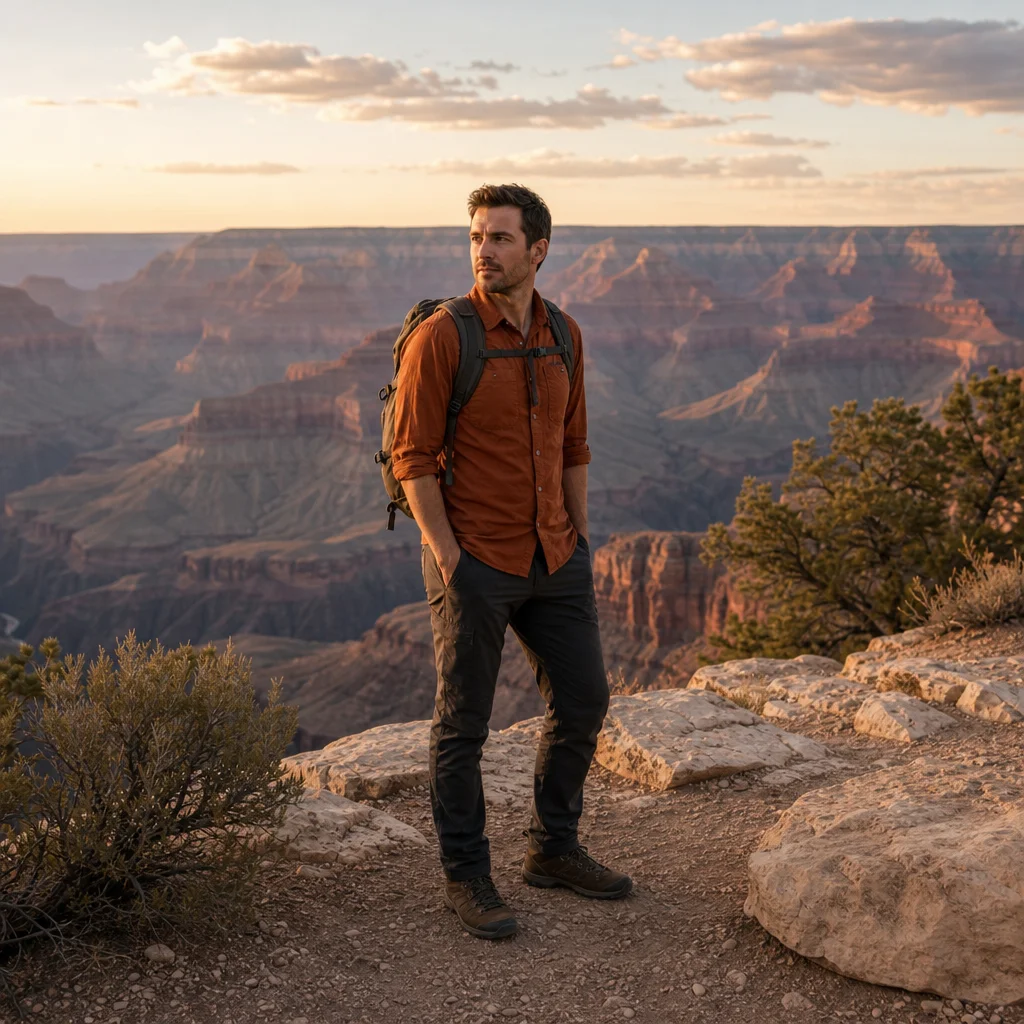
When the trail is cool, windy, and changing by the hour, the wrong midlayer can make every adjustment feel late. A fleece may breathe beautifully on a steady climb but leave you chilled on an exposed ridge. An active insulation layer can protect you from moving air, yet become too warm or slow to dry once your effort rises.
The useful question isn’t which layer is universally better. It’s what your day will ask the layer to do, and how willing you are to change it as conditions shift.
Start with the job the layer must perform
A fleece is primarily a breathable insulation layer. It uses a lofted or textured fabric to hold warmth while allowing substantial air movement. Fleece is usually at its best when you’re moving steadily, generating heat, and need a layer that can tolerate sweat and repeated use.
An active insulation layer combines insulation with a more protective outer fabric. The insulation is usually lighter and less heat-trapping than that of a static puffy, while the face fabric may resist wind and light moisture better than ordinary fleece. It’s designed to stay on across a wider range of activity, reducing the need to stop and add or remove layers.
Those descriptions point to the main trade-off:
- Choose fleece when breathability, moisture tolerance, and easy venting matter most.
- Choose active insulation when wind protection, warmth during variable output, and fewer clothing changes matter most.
Neither layer replaces a true rain shell in sustained wet weather. Neither guarantees comfort if your base layer is already soaked or your pace changes dramatically. The midlayer works as part of a system, not as an isolated answer.
Common mistake: judging warmth without considering wind
A fleece can feel warm in sheltered conditions and surprisingly cold on a windy section of trail. Its open structure often allows moving air to carry heat away from your body. That breathability is an advantage while climbing, but it can become a liability when you slow down or step into exposure.
Active insulation usually handles that transition better because its face fabric blocks more air. You may keep it on through a breezy traverse rather than stopping to pull a shell over your fleece. That convenience can be valuable in conditions where wind comes and goes every few minutes.
The mistake is treating wind resistance as free warmth. A more protective layer may also reduce airflow when you’re working hard. If you climb at a strong pace in mild temperatures, active insulation can make you sweat before you reach the exposed section where you actually need it.
Ask yourself where the layer will spend most of its time:
- Sheltered forest and continuous climbing: fleece often offers the better balance.
- Open ridges, windy passes, and stop-start travel: active insulation often has the advantage.
- A mix of both: choose the layer you can vent easily, or plan to carry a shell and manage the fleece more actively.
A full-length zipper, usable pockets, and sleeves that don’t bunch under a shell can matter as much as the insulation itself.
Match the layer to your output
Your pace is one of the strongest predictors of whether a midlayer will feel comfortable.
If you’ll be moving continuously uphill, carrying a moderate pack, and rarely stopping, you’ll produce more heat than you might expect. Fleece lets excess heat escape and can dry reasonably well after a damp climb, especially when worn over a wicking base layer. You may still need to unzip it or remove it on steeper sections, but those adjustments are simple.
Active insulation makes more sense when your output will vary. It can cover the space between “too cold in a base layer” and “too hot in a fully insulated jacket.” This is useful for activities such as technical hiking, route finding, photographing, frequent navigation checks, or trips where the group naturally moves at different speeds.
Don’t assume “active” means you can ignore ventilation. Active insulation is still insulation. If the fabric traps more heat than you can shed, you’ll accumulate moisture inside the garment. Start cooler than your stopping temperature, open the zipper before you overheat, and remove the layer before a hard climb if needed.
A practical test is to imagine the first thirty minutes of your outing. If you’ll be climbing immediately, the fleece may be more comfortable. If you’ll begin in shade, walk into strong wind, or spend time organizing gear, active insulation may prevent an early chill.
Moisture changes the decision
Moisture comes from more than rain. Sweat, wet vegetation, melting snow, and damp pack straps can all affect how a midlayer performs.
Fleece generally handles internal moisture well because its fibers don’t absorb much water and its open construction allows air to move through. It can still feel cold when wet, particularly in wind, but it often recovers quickly once you improve ventilation or reach drier conditions. Fleece is also less precious about rough treatment, repeated washing, and being stuffed into a pack while damp.
Active insulation varies more by design. Some garments use synthetic insulation that continues to provide useful warmth when damp and dries relatively quickly. Others use materials that are lighter or more compressible but need more careful moisture management. The outer fabric may shed light drizzle, but that doesn’t make the garment a rain layer.
This is where a common mistake appears: selecting active insulation for its weather-resistant face fabric, then wearing it under exertion until the insulation becomes saturated with sweat. A garment that blocks wind can also trap the moisture you need to remove.
Use these habits with either choice:
- Put on the layer before you become chilled, but not before you need it.
- Vent early with the zipper or pit vents if available.
- Remove the midlayer for a hard climb rather than relying on it to regulate everything.
- Keep a shell available when rain or wet snow is possible.
- Protect a damp layer from being compressed deep in your pack if you’ll need it soon.
Check the day’s exposure: Before leaving, look at the forecast for wind, precipitation, and temperature changes along your route—not just at the trailhead. A calm start and a windy summit can justify carrying a more protective layer even if you don’t wear it continuously.
Think about stops, not just movement
Many layer decisions fail because they’re based entirely on walking pace. You may be comfortable in fleece while climbing, then become cold during a lunch stop, a map check, or a delayed group crossing.
Active insulation is often more convenient in these situations. Its wind-resistant face can slow heat loss while you’re standing still, and you may not need to add a separate shell immediately. It can be a good compromise for hikers who dislike frequent clothing changes or who regularly travel through exposed terrain.
Fleece can still work well if you plan for the stop. Add a wind shell over it, put on the fleece before you stop, or carry a lightweight insulated jacket for longer breaks. This modular approach may be more adaptable than expecting one midlayer to handle both high-output movement and prolonged inactivity.
Consider the character of your stops:
- Brief navigation or water breaks: either layer may work; easy venting matters most.
- Long lunches in exposed areas: active insulation or fleece plus a shell is more reliable.
- Belaying, fishing, photography, or frequent stationary tasks: prioritize wind protection and warmth at low output.
- Fast, continuous hiking with short breaks: prioritize breathability and moisture control.
If your stops are unpredictable, carry a separate shell or lightweight static insulation rather than forcing the midlayer to cover every condition.
Packability and drying are different priorities
A layer that packs small isn’t automatically the most useful layer, and a layer that dries quickly isn’t always the easiest to carry.
Fleece can be bulky, especially in thicker weights. It may occupy more pack volume than expected even when it weighs little. Its advantage is durability and straightforward care: you can generally wash it routinely, wear it under a pack, and use it in rough conditions without much concern.
Active insulation often provides more warmth for its packed size, but its construction can be more vulnerable to abrasion, snagging, and compression. The exact balance depends on the garment’s insulation weight, face fabric, hood, pockets, and fit. A highly featured active layer may pack no smaller than a lightweight fleece.
For humid or wet trips, drying performance may matter more than packed volume. A fleece that is slightly bulky but easy to dry can be more practical over several days than a compact layer that remains damp inside its insulation. For a single dry-weather day, packability may deserve more weight in your decision.
Before buying or packing, compare the actual garments you’ll use rather than relying on category labels. Lay them side by side. Check how much room each takes when loosely packed, whether either can be worn under your shell, and whether the pockets remain usable with a hip belt or pack straps.
Fit and layering can overturn the choice
A theoretically excellent midlayer can perform poorly if it doesn’t work with your other clothing.
Fleece often layers easily because it is flexible and relatively forgiving. However, a bulky or fuzzy interior can catch on a base layer, while a loose fit may bunch under a shell. Active insulation can be smoother and more protective, but its cut may leave less room for a base layer or additional shell.
Check these points while wearing your actual hiking system:
- Can you raise your arms without the hem lifting excessively?
- Does the layer pull tight across your shoulders when carrying your pack?
- Can you close your shell over it without compressing the insulation or restricting movement?
- Do the cuffs fit under gloves and shell sleeves?
- Can you reach the pockets around your hip belt?
- Does the hood work with your hat and rain shell, or create too much bulk?
A close fit can improve efficiency, but don’t size so tightly that the insulation loses loft or your base layer can't dry. A layer that fits well enough to stay on during changing conditions is more useful than one that performs perfectly only when you stand still.
A simple decision process
Use this sequence when choosing between the two for a particular outing.
Choose fleece first when:
- You expect sustained movement and high output.
- The route is mostly sheltered or you already carry a wind shell.
- Sweat management and drying are more important than maximum wind protection.
- You want a durable, low-fuss layer for frequent use.
- You expect to adjust often and don’t mind removing or adding layers.
Choose active insulation first when:
- Wind exposure is frequent or difficult to predict.
- Your pace will vary throughout the day.
- You’ll make regular short stops in cool conditions.
- You want to reduce clothing changes.
- Pack volume matters and the garment offers enough warmth for your route.
Carry both, or add another layer, when:
- The route combines hard climbing with long exposed stops.
- Rain or wet snow is likely.
- You’ll move between sheltered valleys and windy high ground.
- The temperature range is large enough that one midlayer will be comfortable only part of the day.
The most common prevention strategy isn't finding a magical all-condition garment. It’s recognizing when a midlayer needs help from a breathable base layer, wind shell, or separate rest insulation.
Field-ready checklist
Before choosing, confirm five things:
- Output: Will you climb steadily, or alternate between effort and waiting?
- Wind: Is the route sheltered, exposed, or likely to change elevation and exposure quickly?
- Moisture: Are sweat, rain, wet vegetation, or snow likely to affect the layer?
- Stops: How long will you remain stationary, and where will those stops happen?
- System: Can the layer fit and function with your base layer, shell, pack, and gloves?
Choose fleece when breathability and moisture management are the priority. Choose active insulation when variable output and wind protection are worth accepting a warmer, less open layer. If the day includes both hard climbing and exposed stationary time, plan a system that can separate those jobs rather than asking one midlayer to do them all.