Rain Shell or Soft Shell: Which One Fits Your Hike?
A practical comparison based on precipitation, wind, exertion, durability, ventilation, layering, and the cost of carrying both.
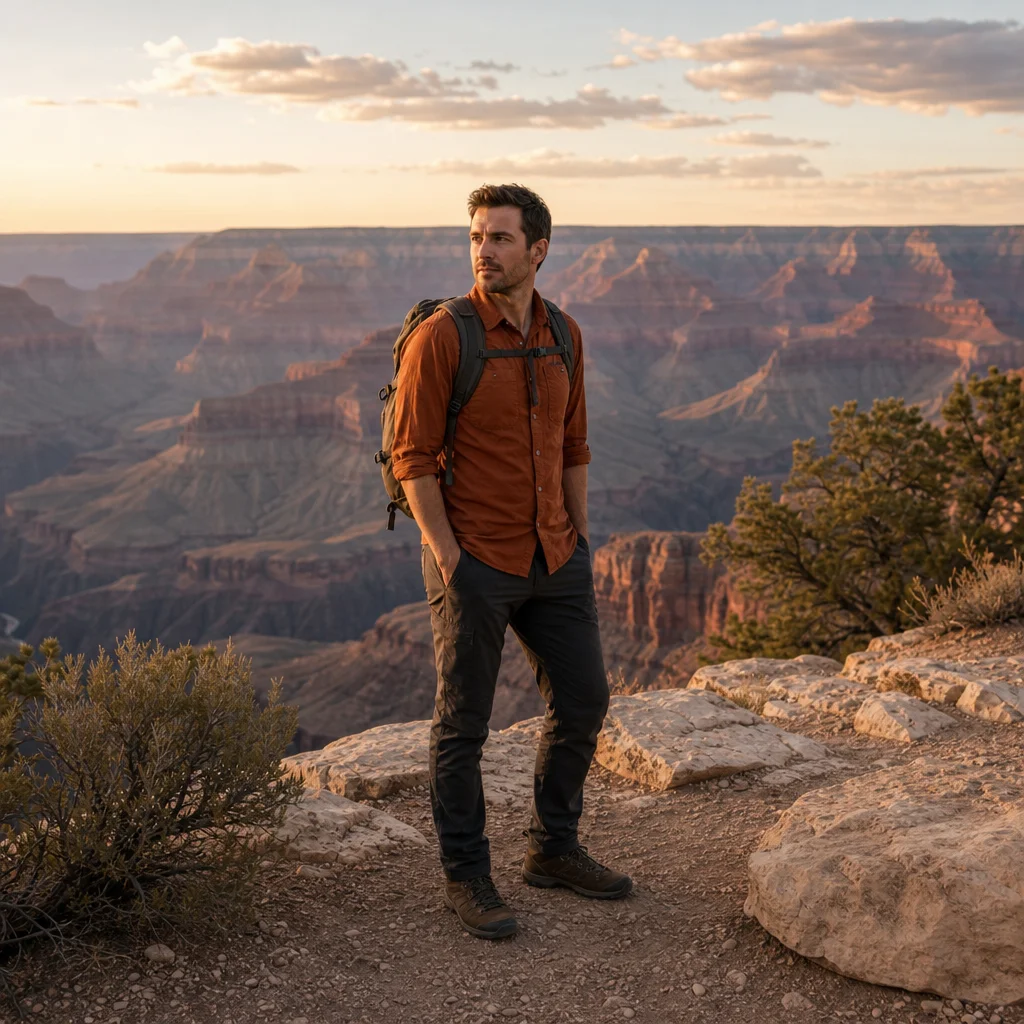
A forecast calling for “showers” can mean anything from a few cool drops to hours of steady rain. The right outer layer depends less on the label on the jacket and more on what the weather will do, how hard you’ll work, and whether you need protection for a short exposed section or the entire day.
A rain shell is built primarily to keep precipitation out. A soft shell is usually better at handling wind, abrasion, light moisture, and high output without feeling as sealed in. Neither is automatically the better hiking layer. The useful question is which problem you’re most likely to face—and what happens if your choice falls short.
Start with the weather you’re preparing for
Choose a rain shell when sustained or heavy precipitation is a realistic possibility, particularly if you’ll be far from shelter, above treeline, or traveling through terrain where getting wet could become a safety concern. A rain shell also earns its place when the forecast is uncertain but the consequences of wet clothing are significant.
Choose a soft shell when the main conditions are cold wind, intermittent light precipitation, brush, or variable temperatures during active movement. Its stretch and air permeability can make it more comfortable for climbing, scrambling, snow travel, and other activities where you’ll generate heat continuously.
The distinction isn’t absolute. Some soft shells resist a surprising amount of rain, and some rain shells breathe well enough for demanding terrain. But construction usually reveals the priority:
- Rain shells emphasize a waterproof barrier, seam protection, and packable weather coverage.
- Soft shells emphasize mobility, abrasion resistance, moderate weather protection, and comfort while moving.
If rain is merely possible, a soft shell may be the more pleasant layer. If rain is likely to persist, a rain shell is the safer primary defense.
Check the exposure before you choose: Look at the current forecast, expected precipitation duration, wind, temperature, and route exposure. Ask what will happen if your outer layer wets through two hours from the trailhead rather than five minutes from the car.
Rain shell: protection with ventilation trade-offs
A rain shell is the more dependable choice when staying dry is important. It can block rain and wind while giving you a barrier over insulating layers. A lightweight model can live in your pack until conditions change, then go on quickly without requiring a major clothing adjustment.
That protection comes with compromises. A waterproof barrier can trap heat and moisture when you’re climbing hard, even if the fabric is marketed as breathable. In warm rain, you may still become damp from sweat. Mechanical ventilation—such as pit zips, a two-way front zipper, or adjustable cuffs—can matter as much as the fabric itself.
A rain shell also tends to feel less natural for high-output movement. Some models are quiet and flexible, while others can be crinkly, restrictive, or noticeably clammy. Check how the hood moves with your head, whether the hem rides up when you raise your arms, and whether the sleeves allow a full range of motion over your insulating layers.
For most hikes, a rain shell works best when you manage heat before you’re soaked with sweat. Open vents early, remove a midlayer before a steep climb, and slow your pace if needed. The shell is a weather barrier, not permission to ignore overheating.
Soft shell: comfort and durability in changing conditions
A soft shell is often the better working layer when you expect wind, light precipitation, and frequent movement. Stretch fabric can make steep steps, scrambling, or pole use feel unrestricted. Many soft shells also tolerate contact with rock and vegetation better than ultralight rain shells, which can be valuable on rough routes or during repeated use.
Because soft shells are generally more air-permeable, they can feel comfortable over a wider range of exertion. You may be able to keep one on while climbing instead of stopping to add and remove layers every few minutes. That convenience can reduce the temptation to hike in a damp base layer.
The limitation is predictable: water resistance isn't the same as dependable waterproofing. A soft shell may handle mist, brief showers, or wet brush, then eventually absorb water or allow moisture through. Once the fabric is saturated, it can become heavier and less insulating. In cool conditions, that transition can matter more than the initial comfort.
A soft shell is a poor substitute for a rain shell when the route offers little shelter, the forecast calls for prolonged rain, or you’re relying on dry clothing to manage a cold-weather problem. You can still wear the soft shell for most of the hike and carry a rain shell as a backup, but don’t mistake the backup’s presence for proof that the soft shell will remain comfortable all day.
Match the layer to your exertion
Your output level changes the balance between protection and ventilation.
For a slow, steady hike in cool rain, a rain shell may be easy to manage because you’re producing less heat and need more protection from the weather. For a steep ascent in mild, windy conditions, a soft shell may prevent the repeated overheating and layer changes that make a hike uncomfortable.
Consider these common situations:
Long climb in cold, dry wind
A soft shell is usually the stronger starting choice. It can block wind while allowing more heat and moisture to escape. Carry a rain shell if the forecast is unsettled or if the route includes exposed terrain where conditions could change quickly.
Steady rain on a cool all-day hike
Start with a rain shell, especially if you’ll be away from shelter. Use vents and adjust your pace to control internal moisture. A wicking base layer and a thin insulating layer can be more useful than adding a bulky jacket beneath the shell.
Warm showers with frequent breaks
A rain shell may be necessary for the precipitation but uncomfortable during movement. Wear minimal layers underneath, open ventilation features, and consider whether a poncho or another rain system better suits your route and pack. The best solution is the one that keeps both rain and overheating manageable.
Brushy trail or easy scrambling with uncertain weather
A soft shell can provide useful abrasion resistance and freedom of movement. Carry a rain shell if rain could become sustained. In this situation, the two layers serve different jobs rather than replacing one another.
Cold, wet, and exposed terrain
Favor reliable precipitation protection and build in a margin for slowing down, route changes, or delays. A rain shell over appropriate insulation is generally easier to adapt than a soft shell that has reached its water limit.
Think about layering, not just the outer jacket
Either shell performs better when the layers beneath it are appropriate.
A base layer should move moisture away from your skin without holding a large amount of water. Merino wool and synthetic fabrics are common choices; cotton is slower to dry and can become uncomfortable in cool, wet conditions. Over that, use insulation according to temperature and effort. A thin fleece may work well for active movement, while a warmer puffy layer is often better reserved for stops because it can overheat quickly under a shell.
A rain shell usually belongs over the entire active layering system, but you don’t need to wear every layer at once. Keep spare insulation dry in a waterproof or water-resistant bag, particularly when the weather is cold enough that losing warmth would change your options.
A soft shell may replace a wind layer in the system, but it doesn’t replace insulation. If you plan to rely on it in cool conditions, decide what you’ll wear during breaks when your heat production drops. A jacket that feels perfect on the climb can be inadequate at a rest stop.
Compare the cost of carrying both
Carrying both a soft shell and a rain shell adds weight, bulk, and expense. It can also add flexibility that prevents you from forcing one jacket to perform every job.
Carry both when:
- The forecast includes changing conditions over a long day.
- The route moves between sheltered forest and exposed ridges.
- You expect high exertion but need dependable rain protection later.
- You’re traveling in conditions where a wet outer layer could create a serious problem.
- You’ll use the soft shell frequently enough to justify its durability and comfort.
One shell may be enough when the hike is short, the weather is stable, and the consequences of getting damp are low. A rain shell alone is often the more versatile minimalist choice if you can tolerate its ventilation trade-offs. A soft shell alone makes more sense for dry, windy, or lightly unsettled outings where prolonged rain is unlikely.
Consider the cost of failure, not only the number of items in your pack. Saving a few ounces or leaving one jacket at home is less efficient if it leads to a soaked insulating layer, an abandoned route, or a forced retreat in worsening weather.
Avoid the common selection mistakes
Choosing by waterproof rating alone. A specification can describe laboratory performance, but comfort also depends on fit, vents, fabric feel, hood design, and how hard you’ll be working.
Wearing the rain shell for every condition. A rain shell can protect you from wind, but it may be unnecessarily warm and restrictive during high-output travel in dry weather.
Treating water resistance as waterproofing. A soft shell that sheds brief showers may not protect you through prolonged rain or saturated vegetation.
Ignoring the hood and cuffs. A jacket that leaks around the neck, wrists, or hem can leave you wet even when the main fabric performs well.
Failing to practice adjustments. Learn to operate zippers, vents, cuffs, and hood controls with cold or gloved hands before you need them on an exposed section of trail.
Skipping pack protection. A rain shell is only useful if it stays accessible and reasonably dry. Store it near the top of your pack, and protect critical insulation separately.
Make the decision at the trailhead—and again on the trail
Use the forecast and route to make your initial choice, then keep observing. Darkening clouds, rising wind, wet vegetation, falling temperatures, and slower-than-planned progress can all change the risk calculation. Put on protection before you’re soaked or chilled; stopping briefly to adjust layers is usually easier than recovering after the change has already become uncomfortable.
For a simple decision, ask three questions:
- Is prolonged precipitation likely? If yes, choose a rain shell or carry one.
- Will you work hard enough to overheat in a sealed layer? If yes, favor a soft shell in dry or lightly wet conditions, or use a rain shell with active ventilation and a slower pace.
- What happens if the weather worsens? If the answer includes exposure, cold, distance from shelter, or limited retreat options, carry the more reliable protection even if you don’t expect to wear it.
The practical rule is straightforward: use a soft shell for movement through wind and minor moisture; use a rain shell when staying dry is the priority. When conditions are uncertain and the consequences are high, the extra layer is often cheaper and lighter than the problem it prevents.