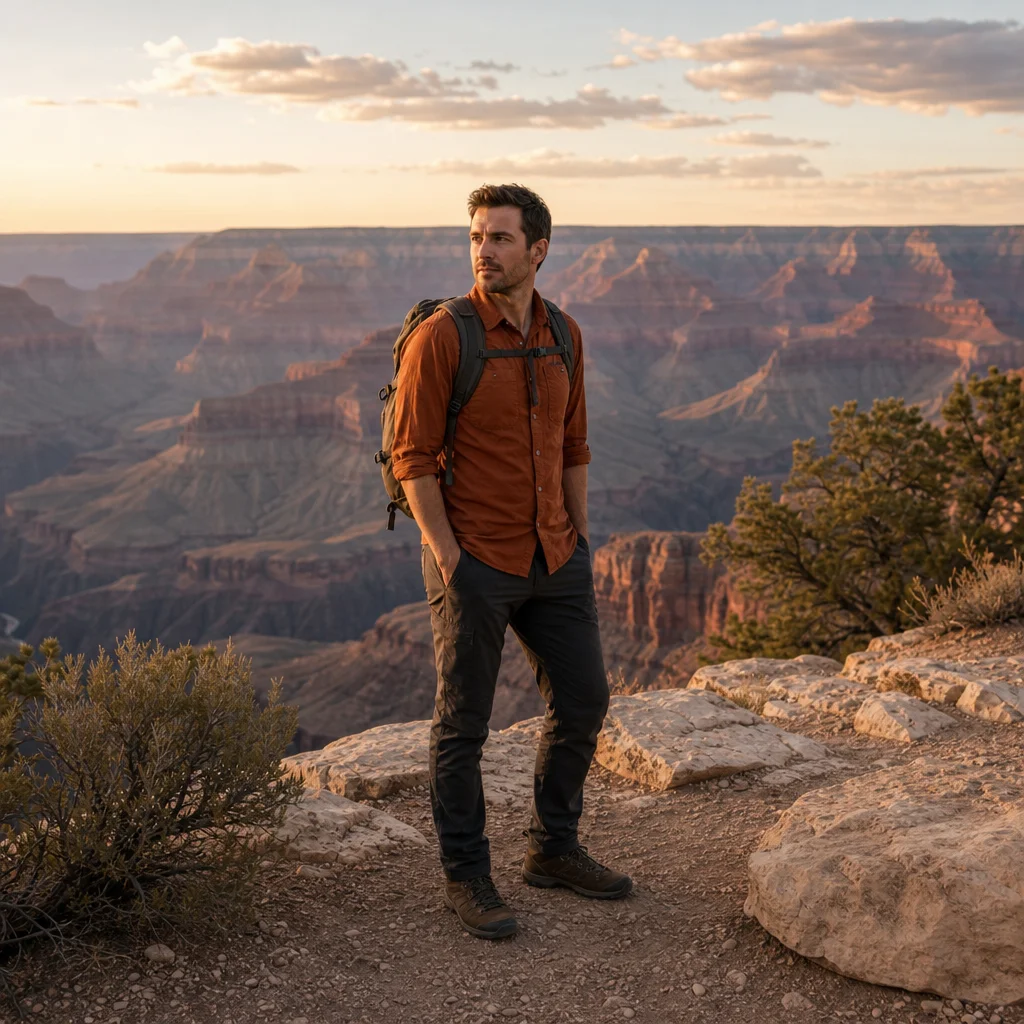
Early snow changes more than the trail surface: it can hide ice, soak insulation, erase route clues, and remove daylight from your margin. I’ll show you how to weigh traction, conditions, and the objective before committing to a fall hike.
Read article →
A cooling trail can reflect shade, wind, elevation, or an approaching change in weather, and those causes lead to different decisions. I’ll show you how to connect the clues with your remaining daylight, clothing, route, and retreat options before continuing.
Read article →
Rapid warming can turn a firm spring snowfield into unstable, exhausting terrain and make creek crossings more hazardous. I’ll help you recognize the changes early, avoid common timing mistakes, and set a realistic turnaround plan for Rocky Mountain routes.
Read article →
A creek can change from manageable to impassable while you are still on the far bank. I’ll explain how water level, weather, route alternatives, and a pre-set crossing threshold work together to protect your return plan.
Read article →
I’ll show how a first solo overnight can expose wasteful packing, late camp decisions, and rushed pacing—then turn those lessons into a lighter, calmer, more affordable second day.
Read article →
Dry miles, hot exposure, and springs that may be only damp stones can turn a familiar route into a difficult water problem. I’ll show you how to estimate your carry, check uncertain sources, and set a conservative turnaround plan for arid and Mediterranean trails.
Read article →
Different appetites, heat tolerance, medical needs, and refill options can make one group water plan fail quickly. I’ll show you how to divide shared reserves, match loads to capacity, prepare treatment backups, and set clear refill decisions without assuming everyone drinks the same amount.
Read article →
I’ll show you how to combine ridgelines, drainages, contours, stream crossings, and travel direction so you can catch navigation errors before they become serious.
Read article →
Sun, slope, and vegetation can provide rough directional clues, but each is easy to misread alone. I’ll show you how to combine them conservatively so a low-cost backup estimate supports—not replaces—map, trail, or electronic navigation.
Read article →
I’ll show you how to build a durable turn-by-turn plan for a loop with multiple spur trails, including junction order, landmarks, distances, and the exact point where the loop closes. You’ll also learn how to update the plan when conditions or trail information change.
Read article →