What a Sudden Temperature Drop Means for a Late-Afternoon Hike
A cooling trail can reflect shade, wind, elevation, or an approaching change in weather, and those causes lead to different decisions. I’ll show you how to connect the clues with your remaining daylight, clothing, route, and retreat options before continuing.
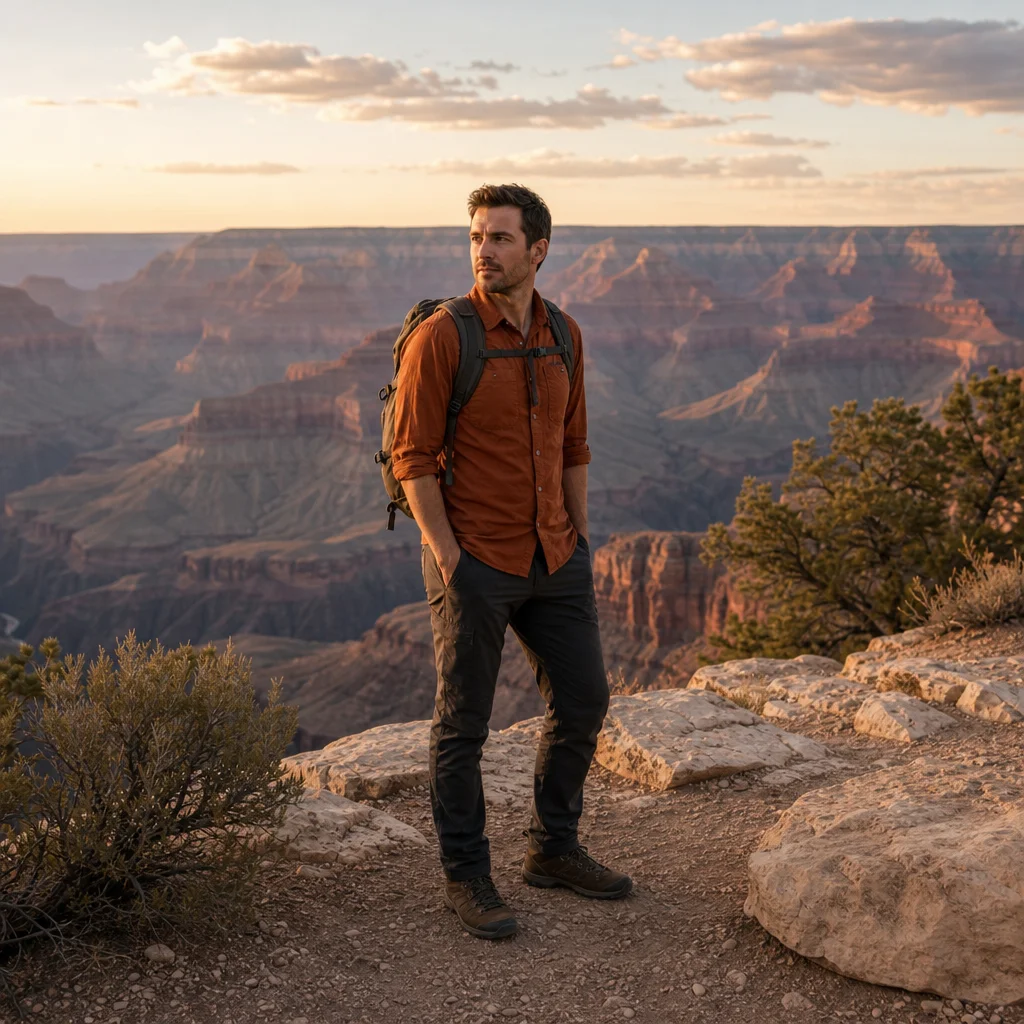
Late afternoon on a mountain trail can change the character of a hike in minutes. The sun drops behind a ridge, wind reaches an exposed slope, and the air that felt comfortable at the trailhead suddenly feels sharp against damp clothing. A temperature drop isn't automatically a sign of danger, but it is a reason to stop treating conditions as static.
Your decision depends on what is causing the cooling, what else is changing with it, and how much margin remains. The same two-degree shift may be harmless on a sheltered trail with an easy descent or significant on an exposed route with fading light and wet layers.
Start with the parts of the change
Separate the temperature drop into four observations: air temperature, wind, exposure, and time. Looking at them together is more useful than reacting to cold alone.
Air temperature
A genuine fall in air temperature can accompany an approaching front, rising elevation, evening cooling, or a change in air mass. You may notice it through the thermometer on a watch, but physical clues matter too: your fingers become less nimble, moisture stops evaporating from your shirt, or a rest break becomes uncomfortable almost immediately.
Temperature usually decreases as you gain elevation, though the exact rate varies with weather and terrain. If the trail is climbing toward a pass, ridge, or summit, the cooler air may be expected. It still matters because the return trip may occur in colder conditions than the hike out.
Wind shift
Wind can make a moderate temperature feel much colder by increasing heat loss from exposed skin and by moving air through loose clothing. A new wind direction may also tell you that the trail has reached an exposed landform or that a broader weather change is arriving.
Pay attention to whether the wind is merely stronger or has changed character. A steady breeze that begins on a ridge is different from gusts that arrive with darkening clouds, blowing dust, sudden precipitation, or distant thunder. Gusty conditions can affect balance, especially near cliffs, narrow paths, open slabs, and trees with dead limbs.
Shade and terrain
A shaded forest, north-facing slope, canyon, or deep ravine can feel cold well before the surrounding air has changed much. Your clothing may also cool rapidly after you stop walking, particularly if it is damp with sweat.
Shade alone is usually a local condition. Test that assumption by observing the next exposed opening. If warmth returns quickly in sunlight and the wind remains steady, the drop may be terrain-related. If every exposed area is colder, windier, or cloudier than the last, treat the pattern as regional rather than local.
Remaining daylight
Late-afternoon cooling matters partly because it often arrives alongside a shrinking daylight margin. A route that is reasonable in warm, bright conditions can become difficult when you must descend over loose rock, roots, or route-finding terrain after sunset.
Don't count only the official sunset time. Allow for the period when the trail is still visible but detail is fading, and consider whether ridges or forest will put you in shadow earlier. Your practical deadline is the time by which you can reach a safe, familiar section of trail with the light and energy to move steadily.
Read the pattern before deciding
Stop in a protected location and make a short comparison between what you are feeling and what you can see.
- Is the cooling limited to shade, or does it continue in open terrain?
- Is the wind stronger, shifting direction, or producing gusts?
- Are clouds building, lowering, or moving faster than earlier?
- Is precipitation beginning, or is there visible moisture on nearby surfaces?
- Are you still climbing toward colder or more exposed ground?
- How long until your turnaround time, sunset, or the point where you must use a headlamp?
- Is the trail ahead easy to follow if visibility drops?
One clue rarely settles the decision. Several changes arriving together deserve more weight. For example, a shaded switchback that feels cold but leads directly to a sheltered descent is a different situation from a cold wind that starts as you approach an exposed ridge with dark clouds overhead.
Check the next weather window: Before committing to exposed terrain, compare the latest forecast, radar or satellite view where available, wind information, and any current trail or hazard notices with what you are seeing. Mountain conditions can differ from the nearest town, and safety guidance, closures, and access rules can change.
Decide what continuing actually costs
Continuing isn't simply a choice between comfort and discomfort. It may consume the daylight, dry clothing, water, food, and energy you need for the return. Assess the next section rather than thinking only about the destination.
Continuing can make sense when
A modest temperature drop is more manageable when the trail remains easy to follow, the route ahead is sheltered, and you have adequate warm layers, a light source, food, water, and a reliable way to communicate. You should also have a clear turnaround time that leaves a substantial margin before darkness.
If the cold is caused by shade and the route soon descends into a protected area, continuing may be reasonable. So may a short extension on a familiar trail when the weather pattern is stable and you are well ahead of schedule. The important point is that the decision is based on conditions and reserves, not on how close the destination appears on a map.
Keep moving at a sustainable pace if you continue. Repeated long stops can make damp clothing feel colder and can use more daylight than expected. Add a layer before you become chilled rather than waiting until your hands are clumsy.
Turning around is usually the better trade when
Turn back if the cooling is paired with increasing wind, precipitation, poor visibility, lightning, or a route that becomes substantially more exposed. A turn is also prudent when you have lost the ability to keep your hands warm and functional, your clothing is wet without a way to add insulation, or your pace has slowed enough to threaten your daylight margin.
Don't let a previous forecast override direct observation. If the conditions no longer match the assumptions that made the outing reasonable, the plan has changed. Turning around early preserves options; turning around after dark, after getting wet, or after reaching a difficult landmark gives you fewer.
A turnaround isn't necessarily a retreat to the trailhead at once. It can mean returning to the last sheltered junction, lowering elevation, or choosing a shorter loop. Any alternate route should be familiar enough to follow in deteriorating light and shouldn't introduce a more serious exposure.
Manage cold before it becomes a problem
Use layers to control heat loss while you still have good dexterity. Add an insulating layer when you stop or when the wind increases. Put on rain protection if precipitation begins, even if the temperature isn't yet low; staying dry often preserves more warmth than simply adding another thin layer.
Protect the parts that lose heat quickly: head, hands, and neck. Keep gloves and a warm layer accessible rather than buried under other equipment. If your clothing is damp, reduce exertion briefly, add insulation, and avoid allowing a long rest to turn into a prolonged chill.
Eat and drink before you feel depleted. Cold, wind, and uphill effort can make it harder to notice that energy is falling. A snack and water may improve comfort and pace, but they don't compensate for inadequate clothing, a dangerous route, or insufficient daylight.
Watch for signs that cold is affecting judgment or coordination. Persistent shivering, fumbling, unusual fatigue, confusion, slurred speech, or difficulty walking aren't conditions to push through. Move toward shelter and seek help if needed. If someone is becoming confused or unable to care for themselves, treat the situation as urgent rather than waiting for the weather to improve.
Account for the return trip
Many late-afternoon decisions fail because the destination is evaluated more carefully than the descent. Estimate the time back from the farthest point you are considering, not just the time to reach it. Descending over technical ground can be slower after fatigue sets in, and a trail that was obvious in afternoon light may require more attention near dusk.
Ask what conditions will meet you on the way back. Will the sun disappear behind a ridge? Will the route become windy after a switchback? Will temperatures continue falling while your base layer remains damp? If the answer to any of these is yes, make the adjustment before reaching the most exposed point.
A headlamp provides visibility, but it doesn't remove every consequence of a late finish. It can make navigation possible while leaving cold, fatigue, rough footing, and an uncertain route unchanged. Carry one, but don't use it as permission to spend your entire daylight margin.
A field-ready decision threshold
Before continuing beyond your next decision point, confirm all of the following:
- The cooling has a plausible, limited cause, or the broader weather pattern remains stable.
- Wind and visibility aren't worsening together.
- You have dry or insulating layers suited to the conditions ahead.
- You can keep your hands warm and your movement coordinated.
- The route remains familiar, followable, and appropriate if light fades sooner than expected.
- Your turnaround time leaves a real margin for the return, not merely enough time to reach the trailhead in ideal conditions.
- You know where you will turn back if the next section is colder, windier, or more exposed.
If several answers are uncertain, choose the option that preserves daylight, warmth, and route choices. A sudden temperature drop may be nothing more than shade, but treating it as useful information gives you time to recognize when it is part of a larger change.