How Heat Changes the Difficulty of a Familiar Trail
Heat can turn a routine trail into a demanding outing by changing your pace, water needs, shade options, and margin for error. I’ll show you how to connect those decisions so you can choose a safer start, effort level, and turnaround point.
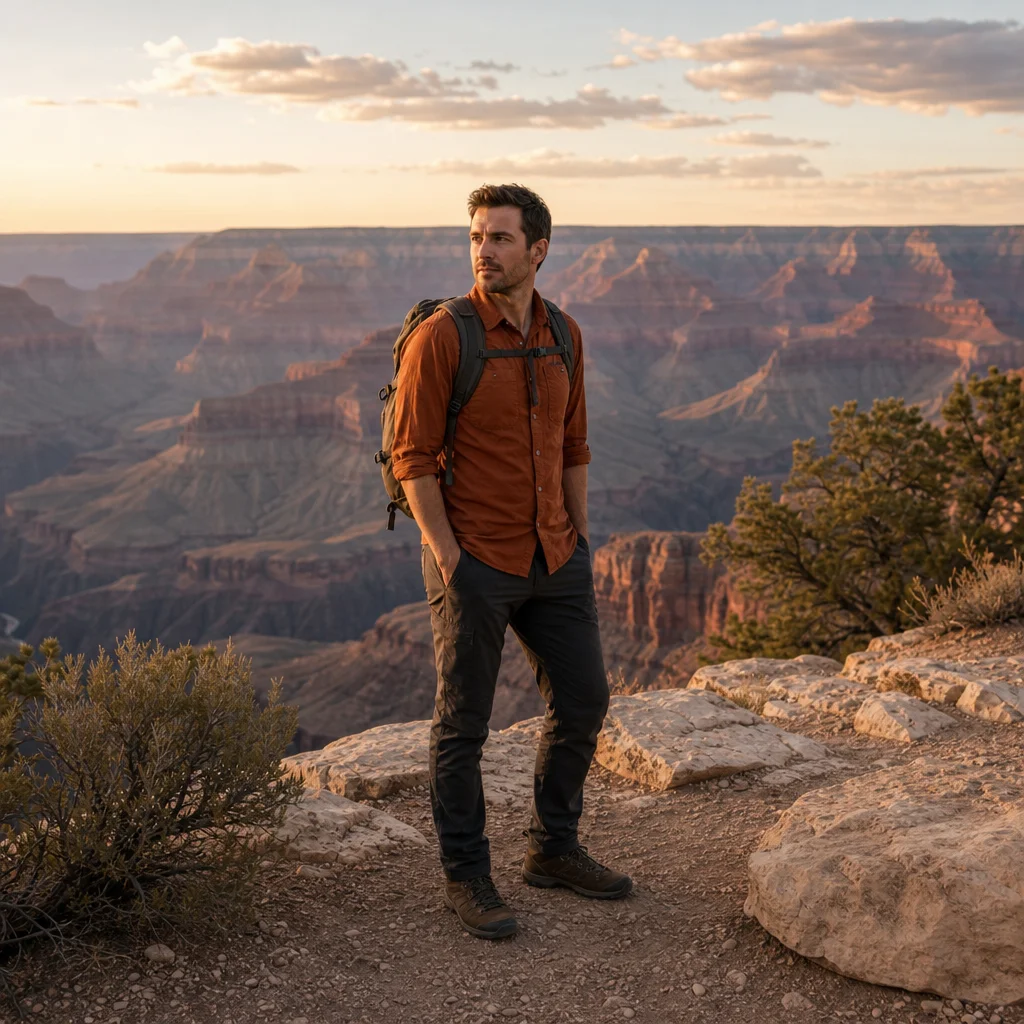
The trail may look exactly as you remember it: the same junctions, grades, loose rock, and final overlook. In hot weather, however, the familiar route can demand much more from you. Your body works harder to shed heat, water disappears faster, shade may offer less relief than expected, and a small delay can become a serious problem far from the trailhead.
The key is to stop treating heat as a single forecast number. A safe plan connects the conditions, your timing, your pace, your water supply, and your willingness to turn around. That framework applies whether you're hiking a short desert loop, a dry canyon route, or a familiar climb in an unusually hot spell.
Start by separating the trail from the conditions
A route's mileage and elevation gain don't change, but the effort required to cover them can. Heat adds strain even before the terrain becomes difficult. Your heart rate may rise at a slower walking speed, breaks may become more frequent, and exposed sections can feel much harder on the return than they did on the way out.
Several conditions matter together:
- Air temperature: Higher temperatures increase the body's cooling workload.
- Sun exposure: Direct sun and reflected heat from rock, sand, or pale soil can make the ground feel much hotter than the forecast suggests.
- Humidity: Humid air slows sweat evaporation. Dry air allows sweat to evaporate more readily, but it can also hide how much fluid you're losing.
- Wind: Moving air may improve cooling, but a hot, dry wind can increase evaporation and create a false sense of comfort.
- Nighttime recovery: A warm overnight low can leave you starting the hike already short on sleep and recovery.
- Acclimatization: If you haven't recently exercised in heat, your body may handle the same route less efficiently.
Look beyond the temperature at your door. Check conditions along the route, especially if the trail climbs, crosses a broad open slope, enters a canyon, or reaches a lower elevation. A shaded trailhead doesn't guarantee a shaded route.
Check the day’s actual constraints: Before leaving, verify the current heat advisory, trail or park closures, fire restrictions, road access, and the operating status of any water source. These details can change independently of the weather forecast.
Move the start time before you change everything else
In hot and dry regions, an early start is often the most effective adjustment because it reduces exposure during the warmest part of the day. It also gives you more time to complete the route before heat builds. But an early start only helps if you can travel safely in low light and the route is open during those hours.
A pre-dawn departure may introduce different hazards: poor visibility, navigation errors, cold surfaces followed by rapid warming, or wildlife activity. Carry the lighting and navigation equipment the route requires, and don't assume you can extend the hike simply because you started early.
If an early start isn't practical, shorten the route or choose a trail with reliable shade and an easy exit. A familiar trail often creates overconfidence: you may remember how quickly you covered it in mild weather and use that time as a target. Treat your usual time as a reference, not a promise.
Plan the return, not just the departure. Ask:
- When will the most exposed section be hottest?
- Where can you stop in genuine shade rather than beside a sun-baked rock?
- How long will it take to return from the farthest point if your pace drops?
- Is there a point after which turning around still leaves you with enough water and daylight?
If you can't answer those questions, the route may be too committing for the conditions.
Use effort, not your normal pace, as the control
Heat makes pace a poor measure of progress. A speed that feels easy in cool weather can push you into sustained overheating on the same grade. Start slower than usual, especially during the first exposed climb. You should be able to speak in complete sentences without forcing your breathing. If conversation becomes difficult, reduce effort before you feel desperate for a break.
Shorten your stride on steep or loose terrain. Keep your movement steady instead of alternating between a fast push and a long recovery stop. A slower, consistent pace can reduce the repeated surges that make heat stress harder to notice.
Use observation as an early-warning system. Concerning changes include:
- A headache, unusual irritability, dizziness, or nausea
- Weakness or clumsiness that doesn't match the terrain
- Chills or gooseflesh despite hot conditions
- Confusion, unusual behavior, or difficulty making simple decisions
- A sudden change in sweating, including very heavy sweating or a failure to sweat when you feel overheated
- A pulse or breathing rate that stays high after you stop in shade
Don't try to diagnose yourself while continuing uphill. Stop, move to the coolest available location, loosen restrictive clothing, drink if you're alert and able to swallow, and cool your body with water, wet cloth, airflow, or other available means. Severe confusion, fainting, seizures, or a worsening condition require emergency help. Contact local emergency services and follow the area's rescue guidance; don't leave an impaired person alone while someone goes for help.
Build a water plan around the whole outing
Carry enough fluid for the planned hike, the expected heat, delays, and the return to a reliable resupply point. The exact amount depends on your size, effort, exposure, duration, access to water, and individual needs. A formula copied from someone else's trip isn't a substitute for observing your own losses.
Start hydrated, but don't treat heavy drinking immediately before departure as a complete plan. During the hike, drink at regular opportunities rather than waiting until you are intensely thirsty. On longer or especially sweaty outings, food containing sodium and a suitable electrolyte drink may help replace some losses, but neither should be treated as protection against overheating.
Water sources deserve skepticism. A spring shown on an old map may be dry, seasonal, contaminated, inaccessible, or closed. If you must filter or treat water, carry the equipment and time required to do it. Don't count on a store, campground tap, or trailhead fountain unless its current availability is confirmed.
A useful check is to separate three supplies in your thinking:
- Hiking supply: What you expect to drink while moving.
- Delay reserve: What covers slower progress, extra shade breaks, navigation problems, or a minor injury.
- Exit supply: What remains for the return to the vehicle or a confirmed water source.
If the plan depends on using the last of your water at the turnaround, it has no meaningful margin. Reduce the route, start earlier, add a verified resupply option, or postpone the outing.
Dress for cooling, not just sun protection
Loose, breathable clothing can help air move across your skin. A brimmed hat or other head covering can reduce direct sun, while sunglasses and sunscreen protect areas that clothing doesn't cover. Light-colored fabric may reduce heat absorption, but fit and airflow usually matter more than color alone.
Covering up can be useful in intense sun, yet adding layers without considering ventilation can trap heat. Choose clothing you can adjust as the trail moves between sun and shade. Protect your feet as well: heat, dust, and swelling can make a familiar shoe fit differently, increasing the chance of blisters.
Shade expectations need the same scrutiny as water expectations. A map's tree symbol may represent a small patch rather than a place where a group can rest. Canyon shade can disappear as the sun moves. Rock walls may radiate heat even when they block direct sunlight. Plan around the route's exposure, not an optimistic interpretation of its symbols.
Set turnaround decisions before you feel committed
A turnaround point isn't a sign of failure; it's a control built into the plan. Set it using conditions you can recognize in the field, such as a specific time, water level, symptom, pace change, or loss of shade. For example, you might decide to turn around if you reach a junction later than planned, use more than the intended portion of your hiking supply, or can't recover after a shaded rest.
Use the more conservative decision when conditions change. Turn back if the temperature rises faster than expected, a breeze disappears, shade is less available than described, a member of the group is struggling, or navigation takes longer than planned. A turnaround decision made early preserves options. Waiting until everyone is exhausted can turn the same decision into an emergency retreat.
Don't let the summit, viewpoint, or familiar endpoint override new information. The final section may be the most exposed, and reaching it can require a slow return through the hottest conditions. If the reward depends on ignoring warning signs, the route is no longer the same outing you planned.
Use a simple hot-weather field check
Before you leave, confirm:
- The forecast, heat alerts, wind, and overnight conditions along the route
- Trail access, closures, fire restrictions, and current water availability
- A start time that limits exposure during the hottest period
- A slower target pace and planned shaded rest locations
- Water for hiking, delays, and the return—not just the outbound distance
- Clothing, sun protection, lighting, navigation, and communication equipment
- A turnaround time and at least one symptom- or condition-based reason to stop sooner
- How you'll summon help if someone becomes confused, faint, or unable to continue
Once on the trail, reassess at the first exposed climb, the first planned rest, and every major change in shade or terrain. If your effort is already higher than expected, make the route shorter before the heat removes that choice. A familiar trail is only familiar terrain; the conditions still require a fresh decision.