What to Eat Before a Cold-Weather Day Hike
I’ll show you how to avoid starting a cold-weather hike underfed, then choose compact foods and drinks that stay edible, digestible, and usable when freezing temperatures suppress appetite and turn trail snacks hard.
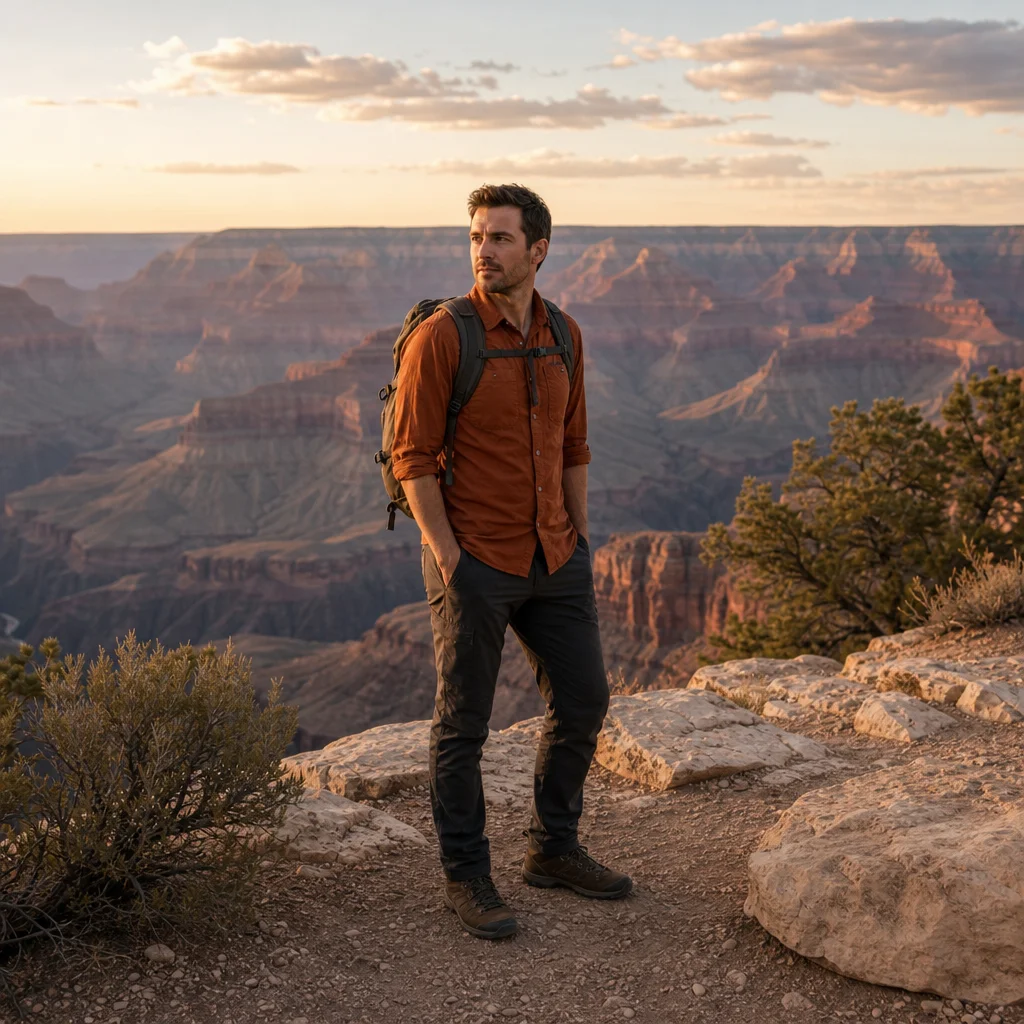
Cold-weather hiking creates a deceptively easy food mistake: you eat less because you’re not hungry, then discover several miles in that your body needs more energy than your frozen snack can provide. A reliable plan starts before you leave home and accounts for appetite, digestion, temperature, and the effort required by snow or steep terrain.
The goal isn’t to force down a heavy meal or pack a full kitchen. It’s to begin adequately fueled, carry food you’ll actually eat, and keep drinks and snacks accessible when your hands are cold.
Start with a familiar meal
Eat a normal meal with carbohydrates, some protein, and enough fat to keep you satisfied. Carbohydrates are useful before sustained hiking because they’re a readily available source of energy. Protein can help the meal feel substantial, while a moderate amount of fat may improve staying power.
Good starting options include:
- Oatmeal with banana, nuts, or nut butter
- Toast with eggs and fruit
- Rice with eggs, tofu, or a small serving of meat
- Potatoes with yogurt, cheese, or eggs
- A bagel with nut butter and a piece of fruit
- Cereal with milk or a milk alternative, if that sits well with you
Choose foods you’ve eaten before activity. A cold-weather hike is a poor time to test a very rich breakfast, a large amount of fiber, or an unfamiliar supplement. Heavy, greasy meals can leave some people uncomfortable when climbing, while high-fiber foods may cause digestive trouble during exertion.
Timing matters less than tolerance. If you usually feel comfortable eating two to four hours before exercise, use that window. If you’re leaving early and can’t manage a full meal, eat a smaller portion before departure and plan an early trail snack rather than waiting until you feel weak.
A snack 30 to 60 minutes before starting can bridge the gap. Fruit, toast, a small bar, applesauce, or a half sandwich may work better than trying to finish a large breakfast in the trailhead parking lot.
Plan for reduced appetite
Cold air, exertion, altitude, and the distraction of route-finding can all make eating feel less appealing. You may also mistake thirst, fatigue, or the first signs of low energy for ordinary cold-weather sluggishness. Don’t wait for strong hunger before eating.
Use a simple schedule based on time rather than appetite. Many hikers do well with small portions at regular intervals, such as a few bites every 30 to 60 minutes. The right interval depends on your pace, meal timing, body, and hike difficulty. The useful habit is to eat before you reach the point where food feels urgent.
Keep at least one snack in a pocket or hip-belt pouch so you don’t have to stop, remove your pack, or expose your hands to the cold for several minutes. Smaller portions are often easier to manage than one large lunch. If you’re hiking with others, carry enough for yourself even when the group intends to share.
Choose foods that survive the temperature
A food that is convenient at room temperature may become difficult to bite, open, or digest in freezing conditions. Before packing, imagine handling it with cold fingers while wearing gloves.
Useful cold-weather choices include:
- Tortillas with nut butter, honey, or a soft filling
- Soft granola or oat bars that don’t become brittle when cold
- Nut butter or seed-butter packets
- Dried fruit, provided it remains chewable in the expected temperature
- Chocolate, if you prefer it firm rather than melted
- Crackers, pretzels, or other dry carbohydrates in a sealed bag
- Jerky or meat snacks that you already tolerate well
- Cheese or shelf-stable packaged foods when the temperature and food-safety conditions allow
- Applesauce, fruit purée, or energy gels carried close to your body
- A sandwich cut into small pieces and wrapped so you can eat it with one hand
Test the actual food in the conditions you expect. Some bars become hard enough to hurt your teeth. Certain gels and purées are difficult to squeeze when cold. A packet may be technically edible but impossible to open with gloves. Remove unnecessary outer packaging at home, but keep food protected from moisture and snow.
Avoid building the entire plan around foods that require chewing when frozen. Carry a mix of textures: something soft, something crisp, and something easy to swallow. That gives you alternatives if your appetite changes or your mouth is too cold for a hard snack.
Check your cold-weather menu: The day before your hike, place a sample of each snack in a cold location and try opening and eating it with the gloves you’ll use. Replace anything that becomes unmanageable, excessively hard, leaky, or unpleasant.
Carry water that stays drinkable
Hydration is part of your food plan because cold often reduces the urge to drink. You can still lose fluid through breathing, sweating, and exertion even when you don’t feel hot. Dehydration can make a hike feel harder and may worsen a headache or fatigue, but drinking excessively also creates problems when temperatures are low.
Use an insulated bottle or a well-protected reservoir, depending on what works reliably with your equipment. Store bottle openings upside down when appropriate so ice forms away from the cap, and keep drinking tubes insulated and secured inside your clothing or pack system. Don’t assume a reservoir will remain usable simply because it started the day unfrozen.
Warm drinks in a thermos can make it easier to drink regularly and may be more appealing than cold water. Tea, broth, or a mild electrolyte drink can provide variety, but a hot drink isn’t a substitute for carrying enough fluid. Avoid packing a beverage so hot that it could burn you if you spill it while moving.
If you use an electrolyte mix, follow the product’s preparation instructions and consider whether the flavor encourages or discourages drinking. You don’t need a specialized drink for every day hike, but you do need a hydration plan suited to the duration, exertion, and access to reliable water.
Pack energy for the actual route
A short, low-elevation walk in dry snow demands less than a full day on a steep, breaking-trail route. Adjust food to the work, not merely to the forecast temperature. Deep snow, heavy clothing, wind, elevation, and carrying extra equipment can all increase effort.
Pack more than the minimum you expect to eat when the route has meaningful consequences for delay or retreat. A minor navigation error, slow group member, equipment problem, or change in weather can extend the day. Extra food should be compact and usable, not a heavy collection of foods you dislike.
A practical arrangement is:
- Before departure: Eat a familiar meal or substantial snack.
- For the first hour: Carry something immediately accessible so you can eat before hunger becomes noticeable.
- For the middle of the hike: Pack several small portions with different textures and flavors.
- For delays: Include one durable, higher-energy option that remains usable in the cold.
- For the return: Keep a portion separate so you don’t accidentally consume everything early.
You don’t need to calculate a perfect number of calories for every outing. Start with your normal activity needs, then account for duration, terrain, and how your body responds to cold. If you’re unsure, keeping a simple record of what you packed, what you ate, and how you felt can improve future planning.
Notice early signs that the plan needs changing
A food plan is only useful if you respond to what happens on the trail. If you become unusually tired, shaky, lightheaded, irritable, or unable to maintain your pace, stop in a sheltered location and assess yourself. Eat and drink if you can, add insulation, and determine whether you can safely continue.
Don’t treat confusion, poor coordination, severe weakness, or an inability to warm up as a routine need for more trail food. Those signs can indicate a serious cold or medical problem. Get out of the cold, use your emergency plan, and seek help when the situation exceeds what your group can manage.
Also pay attention to digestion. Nausea, cramping, or a heavy stomach may mean you ate too much, ate too quickly, or chose food that doesn’t suit you during exertion. Slow down, switch to smaller portions, and use familiar options. If symptoms persist or worsen, reconsider continuing.
Your food should support a safe turnaround decision, not persuade you to ignore worsening conditions. If weather deteriorates, daylight is shortening, navigation becomes uncertain, or someone is struggling to stay warm, eating another snack doesn’t solve the underlying problem.
Prepare food for hands, packaging, and moisture
Cold-weather eating is partly an equipment problem. Put frequently used snacks where you can reach them without unpacking the entire bag. Double-bag foods that could leak when warmed inside a jacket, and protect paper packaging from snow and condensation.
Keep a soft snack close to your body when practical, but don’t place food where it can interfere with movement or become contaminated by sweat. Use a small pouch for wrappers and empty packets so you can account for every item at the end of the hike.
Before leaving, check that:
- You can open each package with your gloves on.
- The food remains edible at the expected low temperature.
- Your water system has protection against freezing.
- You have a mix of quick, substantial, soft, and crunchy foods.
- You’ve packed a reserve for delays or a slower return.
- Your meal and snacks are familiar enough to avoid preventable stomach problems.
The best pre-hike meal is one you digest comfortably, and the best trail food is food you can reach and eat in the conditions you’re actually facing. Start with a familiar carbohydrate-rich meal, add moderate protein and fat, carry small portions you’ll use before hunger becomes urgent, and protect both food and water from freezing.
For a final go-or-no-go check, ask: Can I eat enough before starting, keep my water usable, access my first snack without stopping for a long time, and carry a reserve if the hike takes longer than planned? If the answer is no, fix the food and hydration setup before heading into the cold.