Food Planning for a Hike Where You Can't Afford a Messy Snack
Messy snacks create problems when a trail is crowded, dusty, wildlife-sensitive, or short on cleanup options. I’ll show you how to prioritize clean handling, durable packaging, enough energy, and a realistic carry-out plan before you leave.
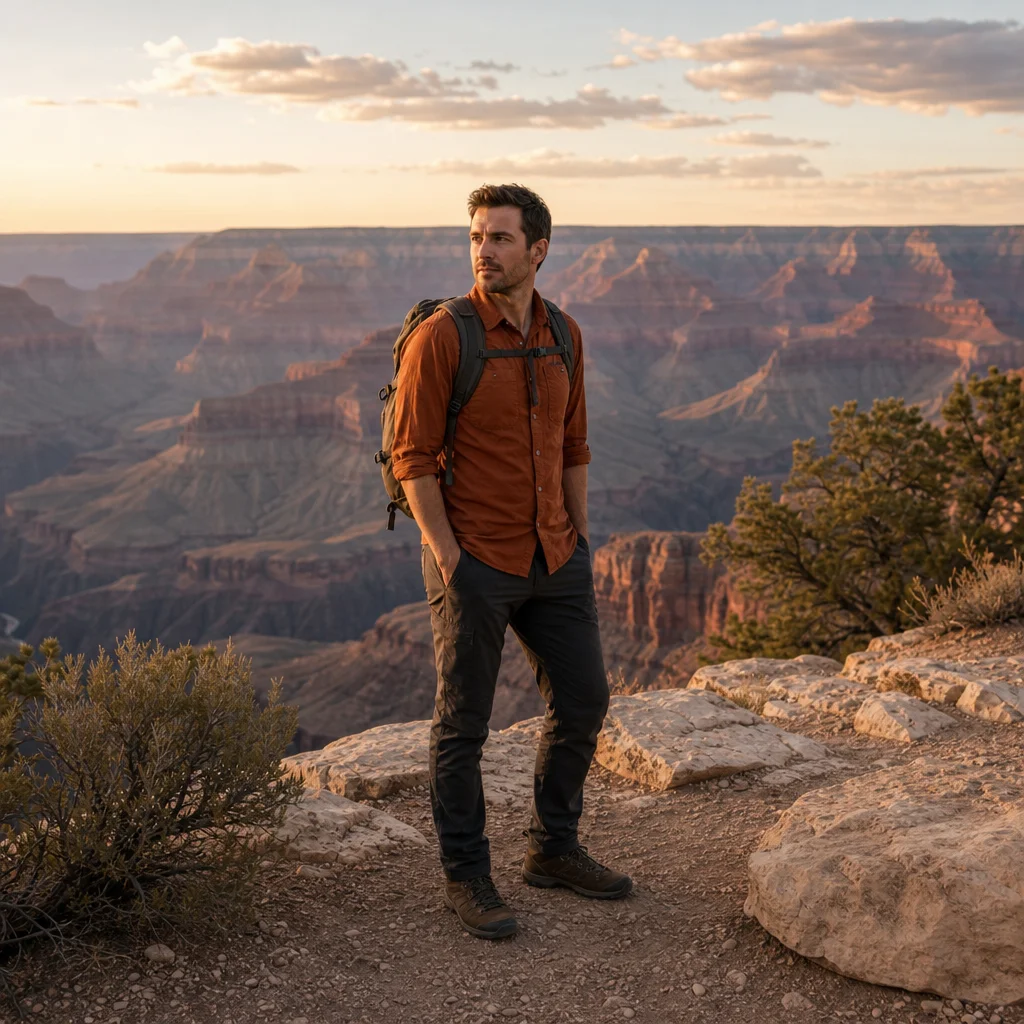
When a trail is crowded, a snack that works at a picnic table can become a nuisance at a viewpoint, on a narrow overlook, or beside a wildlife-sensitive area. Crumbs blow away, sticky wrappers collect grit, and a leaking pouch can turn your pack into a cleanup project.
The goal isn’t to make every meal elaborate. It’s to choose food you can open, eat, and pack out without needing a flat surface, running water, or privacy. You also need enough energy and fluids to finish comfortably, because avoiding mess shouldn’t mean underpacking.
Start with the conditions, not the menu
Before choosing food, picture where you’ll actually eat it. A busy urban trail, a dusty desert path, and a forest route with wildlife restrictions create different problems even when the hike lasts only half a day.
Consider these questions:
- Will you be standing or moving while you eat? Choose one-handed foods with packaging that stays attached or closes securely.
- Will wind be strong? Avoid loose wrappers, powdery coatings, and lightweight packets that can escape before you notice.
- Will there be a clean, stable surface? If not, skip foods that need slicing, spreading, draining, or assembly.
- Can you wash your hands? Treat hand cleaning as limited unless you know facilities are available.
- Are food scraps or scented items restricted? Some trails require you to carry everything out, while others have specific wildlife rules.
- Will heat affect the food? Perishable items need more careful temperature control than dry snacks.
The more constrained the setting, the simpler your food system should be. A good trail snack has a predictable shape, a manageable wrapper, and little or no residue after eating.
Check the trail’s food rules: Before packing, confirm current regulations for food storage, wildlife-sensitive areas, trash, and open or scented food. Rules and facilities vary by trail and can change seasonally, so use the managing agency’s current guidance rather than relying on an old trip report.
Prevent the common packaging mistakes
Many messy-snack problems begin at home. A package that is difficult to open in a kitchen becomes worse when your hands are dusty, the wind is moving, or other hikers are waiting for you to clear the viewpoint.
Repackage only when it improves control
Original packaging is often useful because it provides ingredient information, allergen warnings, and a sturdy seal. Repack dry foods only when the new container is equally secure and clearly labeled.
If you use a bag or reusable container, avoid filling it to the top. Leave enough space to reach the food without shaking the entire contents onto the ground. A wide opening is generally easier to manage than a narrow pouch, especially when you’re wearing gloves or carrying trekking poles.
Make sure every container can close completely after one serving. Folding a wrapper over itself isn't a reliable seal in a windy or dusty place.
Test the snack before the hike
Open and close each package at home while standing. Try it with one hand. If you need scissors, a knife, two hands, or a clean table, it may be the wrong choice for the trail conditions.
Look for failure points:
- Oil that can soak through paper or thin plastic
- Powder or crumbs that spill when the package is tilted
- Sticky fillings that cling to fingers and wrappers
- Hard-to-tear seams that encourage ripping the package open
- Resealable closures that become contaminated with grit
- Containers that crack when squeezed into a full pack
A short test also reveals portion problems. If you have to dig through a large bag for one bite, you’re more likely to spill food or leave the package open.
Choose food that stays contained
The best options depend on your dietary needs, hike length, temperature, and access to water. The useful principle is containment: the food should remain stable in its packaging and leave minimal residue on your hands.
Lower-mess choices
These are often easier to handle on busy or dusty trails:
- Firm crackers or plain pretzels in a rigid or well-sealed container
- Whole, sturdy fruits with their natural skin, such as an apple or an uncut orange
- Dry cereal or granola with little loose coating
- Roasted nuts or seeds, if permitted and safe for your group
- Firm energy bars that don’t melt or crumble easily
- Individually portioned sandwiches wrapped securely, with fillings kept away from the edges
- Shelf-stable pouches that can be opened gradually and closed again
“Dry” doesn’t automatically mean “clean.” A crumbly bar can create more trail litter than a firm sandwich. Test the actual product you plan to carry instead of assuming that a food category will behave consistently.
Foods that need extra control
Soft fruit, frosted bars, nut butter, hummus, cheese, chocolate, and foods with loose seasoning can work, but they need the right conditions. Use a cool pack for items that require temperature control, and contain anything oily or sticky in a leak-resistant layer.
Sauces and spreads are especially troublesome when you can’t wash your hands. If you bring them, use a measured portion in a secure container and pair them with food that can be eaten without spreading them across a wrapper.
For warm-weather hikes, think beyond melting. Heat can soften packaging, increase odors, and make food less appealing by the time you stop. Pack vulnerable items near the center of your bag, protected from direct sun, and follow safe handling guidance for perishable foods.
Build portions for one-handed eating
A clean snack plan is easier when each eating event has a defined portion. Instead of carrying one large bag, divide food into servings you can finish before closing the container again.
A practical portion should be:
- Easy to reach without emptying your pack
- Large enough to prevent constant snacking and repeated opening
- Small enough that you won’t carry an open package for hours
- Simple to eat without a knife, plate, or preparation surface
Place the first snack where you can reach it without unpacking everything. Keep later food deeper in the pack, protected from heat and accidental crushing. If your route includes a crowded destination, consider eating the most delicate food before you arrive rather than opening it at the viewpoint.
You can also schedule food around the trail. Eat a planned snack at a wider, less crowded location instead of waiting until a narrow overlook. This reduces pressure, gives you room to handle packaging, and makes it less likely that crumbs or wrappers will be lost in a crowd.
Carry a small cleanup system
Even clean food needs a way home. Your cleanup kit doesn’t need to be elaborate, but it should account for residue, used wrappers, and hand hygiene.
Pack:
- A dedicated sealable bag for wrappers and food waste
- A second leak-resistant bag for anything oily or damp
- Hand sanitizer or another suitable hand-cleaning option
- A few tissues or a small cloth for fingers and minor spills
- A rigid container for foods likely to be crushed or puncture their packaging
Keep the waste bag easy to reach. If it’s buried under your water reservoir, you may set a wrapper beside you “temporarily” and forget it. A clipped or accessible bag also lets you contain waste immediately when a package tears.
Don’t use a scented food bag as a substitute for proper food storage where wildlife is a concern. Keep food secured according to local requirements, and never leave scraps, peels, or crumbs behind. Natural-looking waste is still a food attractant and may not break down quickly in the conditions around you.
Eat with minimal exposure
At a busy viewpoint, choose a position that doesn’t block the trail or force other hikers around you. Step clear of narrow paths, gates, and landing areas before opening food. If the location is dusty or windy, turn your body away from gusts and open only one package at a time.
Use these habits:
- Finish one item before opening the next.
- Keep the container below chest height when wind is active.
- Hold the wrapper or waste bag in the same hand as the food whenever possible.
- Close the package before reaching for water or another item.
- Check the ground, pack, and clothing for crumbs before leaving.
- Don’t feed wildlife or leave food unattended, even for a quick photograph.
If you’re sharing food, hand out complete portions rather than passing around an open bag. This is cleaner, easier to track, and more considerate in a crowded area. For groups with allergies, keep ingredient labels available and prevent shared contact between foods.
Change the plan when conditions change
A snack that was manageable at the trailhead may become a poor choice later. Wind can rise, temperatures can climb, a viewpoint can fill, or a spill can make the rest of your food difficult to access.
When conditions deteriorate, simplify. Move to a more sheltered eating place if one is available and permitted. Choose a sealed, dry item over a sticky or crumbly one. If a container leaks, isolate it immediately in the secondary bag rather than trying to clean it beside the trail.
If you lose part of a snack, stop and inspect the area carefully. Pick up visible food and packaging, then check your clothing, pack straps, and nearby ground. If you can’t recover all of it, leave the area only after following the site’s waste and wildlife guidance as closely as possible.
Food planning also needs a turnaround threshold. If you’re running low on water, unable to keep food clean or safe, or dealing with heat that makes your remaining provisions unreliable, shorten the hike or turn around. A less convenient snack is manageable; an inadequate food-and-water plan isn't.
Field-ready checklist
Before leaving, confirm that:
- Each snack can be opened and eaten while standing.
- Portions are contained and easy to reach.
- No item depends on a knife, table, or running water.
- Melt-prone or perishable food has appropriate temperature protection.
- Waste has a dedicated sealable bag.
- You have a way to clean your hands and handle a spill.
- Food is stored and carried according to current trail rules.
- You know where you’ll eat away from narrow or crowded sections.
- You’ve packed enough food and water to avoid extending the hike beyond your safe margin.
If you can’t contain a snack, clean your hands afterward, or pack out what remains, replace it before you go. On a busy or wildlife-sensitive trail, the most reliable food is the food you can manage without dropping your attention, inconveniencing others, or leaving evidence behind.