Packing Lunches That Survive a Hot, Shaky, Windy Trail Day
I compare sandwiches, wraps, snack boxes, and shelf-stable meals for hot, windy trail days, explaining how each handles shaking, heat, pressure, calories, and cleanup so you can choose a lunch that reaches the overlook intact.
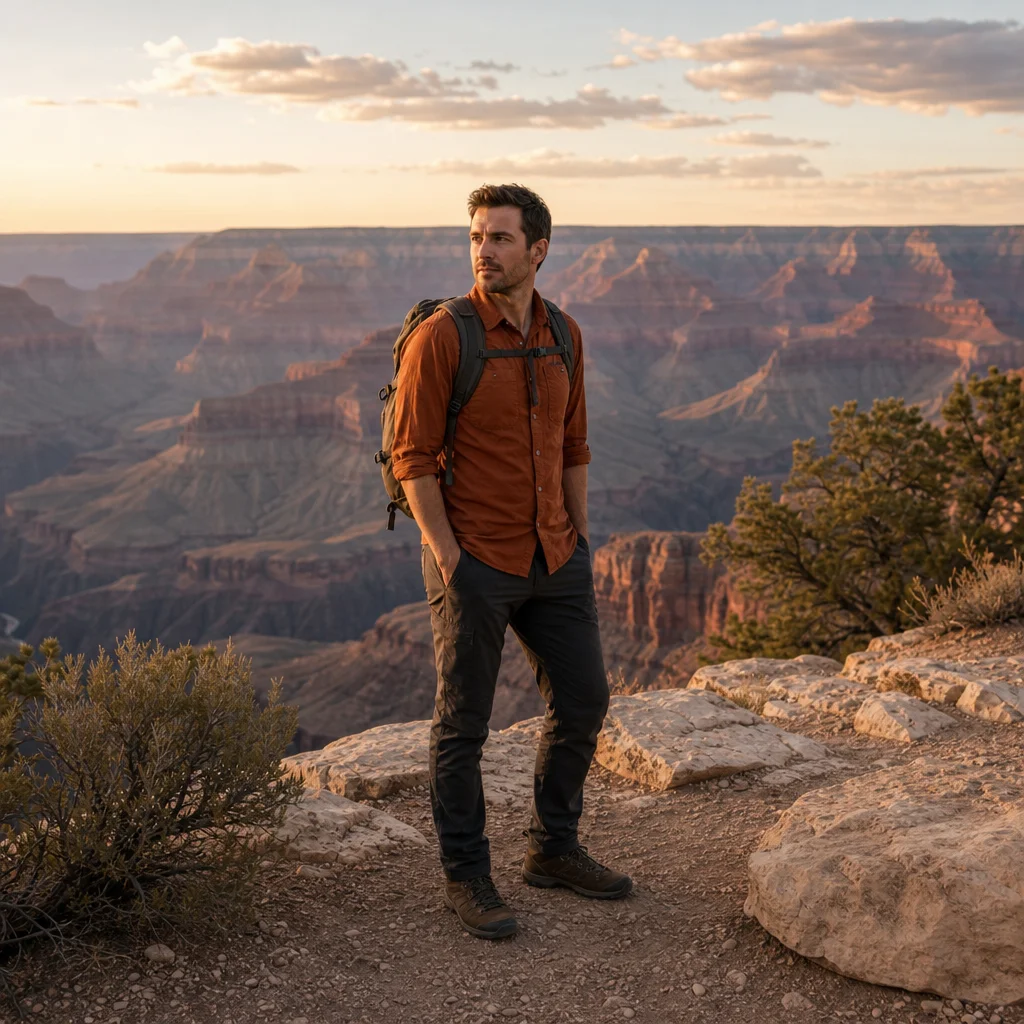
When the trail is hot, exposed, and windy, lunch has to survive more than the hike to your planned break. A daypack gets tipped against rocks, squeezed under clothing, opened in gusts, and warmed for hours. Soft bread collapses, loose snacks scatter, and anything chilled can become a food-safety concern before you’re ready to eat.
The best lunch isn't necessarily the freshest or most elaborate one. It’s the meal that matches your route, weather, appetite, and access to cold storage. You’re choosing among competing advantages: a sandwich is familiar and filling but vulnerable to crushing; a wrap packs tightly but can leak; a snack-based lunch is durable but may feel less substantial; a shelf-stable meal handles heat well but often needs more water or preparation.
Choose the lunch structure before choosing ingredients
Start with the conditions you expect during the longest stretch between trailhead and resupply. For a short, shaded hike, you have more flexibility. For a full day in sun with no reliable cooling, favor foods that tolerate warmth and movement without becoming unsafe or unpleasant.
Sandwiches: familiar and filling, but sensitive to pressure
A sandwich works well when you want a compact meal with carbohydrates, protein, and fat in one package. Dense bread, tortillas used as a wrap, and sturdy fillings generally travel better than delicate rolls or soft sliced bread.
The main trade-off is texture. Moist fillings gradually soften the bread, while a heavy sandwich can flatten under a water reservoir or extra layer. Keep wet ingredients away from the bread when possible. Put cheese, cured meat, or a dry spread between protective layers, and add juicy vegetables just before eating if the conditions allow.
Good choices include:
- Dense rolls, pita, or firm tortillas
- Hard cheese or other ingredients appropriate for your food-safety plan
- Peanut or other nut butter, if safe for your group
- Dry roasted vegetables or well-drained fillings
- A small packet of sauce or spread packed separately
Avoid building a tall sandwich that depends on crisp lettuce, ripe tomato, or a fragile filling for its appeal. Those ingredients can turn a durable lunch into a damp bundle after several hours of heat and motion.
Wraps: efficient in a crowded pack, vulnerable at the seams
Wraps use space efficiently and are easy to eat without a knife. Roll them tightly, fold the ends inward, and secure each one in parchment, foil, or a reusable sleeve. The outer layer should keep the wrap contained without making it difficult to open in wind.
A wrap’s weak point is the seam. Sauces and oily fillings can migrate toward the fold, especially when the food is stored vertically. Use a modest amount of spread, place wetter ingredients toward the center, and wrap the finished food seam-side down inside a rigid container or close-fitting bag.
If you’re packing more than one wrap, separate them rather than stacking them tightly. A crushed bottom wrap is difficult to eat, and opening the entire meal in a gust increases the chance of losing napkins, wrappers, or small food pieces.
Snack-box lunches: the most forgiving option
A snack-box lunch breaks the meal into several sturdy portions: crackers or tortillas, nuts or seeds, dried fruit, a firm protein, and something salty. This approach is less dependent on one item remaining perfect. If a cracker breaks or a piece of fruit gets warm, the rest of the lunch remains usable.
It also helps you regulate pace on a hot trail. Instead of eating one large meal after several hours, you can take a few bites during a short pause. That may be useful when stopping for a long lunch would expose you to sun or wind.
The drawbacks are bulk and portion uncertainty. Small packages create more waste unless you consolidate them, and grazing can leave you short on total food if you underestimate how much you’ll eat. Pack the lunch as deliberate portions rather than assuming a handful of each item will be enough.
A durable combination might include:
- A carbohydrate base such as crackers, pretzels, tortillas, or a dense bar
- A protein or fat source such as nuts, seeds, nut butter, or a suitable packaged option
- Dried fruit or another heat-tolerant sweet food
- A salty item if you’re sweating heavily and it fits your dietary needs
- One substantial item so the lunch feels like a meal rather than a collection of samples
Shelf-stable meals: reliable in heat, less pleasant without planning
Shelf-stable tuna, pouched beans, jerky, nut butter packets, and ready-to-eat grain or legume products can reduce dependence on a cooler. Their packaging is often tough, and unopened portions are less vulnerable to a warm day than perishable food.
The trade-off is water, sodium, and cleanup. Some products are dry or salty enough to increase how much you want to drink. Others need a spoon, a tear notch, or a second container for leftovers. Test the meal at home, including the packaging, before committing it to a windy route.
Don’t assume that a sealed package is indestructible. Pressure from a pack can rupture pouches, and sharp gear can puncture flexible plastic. Keep food away from stove fuel, trekking-pole tips, crampon points, and other hard-edged equipment.
Build for texture and movement
Pack the food in the order you’ll use it. Items for early snacks can sit near the top, while the main lunch belongs in a protected, accessible location. Avoid putting a soft meal directly beneath a full hydration reservoir or against a rigid water filter.
Use layers with different jobs:
- Primary container: A rigid, washable container protects sandwiches, wraps, fruit, and fragile snacks from compression.
- Moisture barrier: A leak-resistant bag or sealed pouch contains sauces, condensation, and small spills.
- Outer access layer: A lightweight bag keeps the meal together and lets you remove it without emptying the pack.
A hard container gives the best crush protection but consumes space and adds weight. A soft reusable bag saves room and adapts to the pack, but it won’t protect a sandwich from a water bottle or a fall. If you choose soft packaging, put the food in a naturally protected gap between clothing and other soft items.
Wind changes how you open lunch. Tearable packets and loose wrappers are manageable in calm conditions but frustrating on an exposed ridge. Open one item at a time, keep the rest inside the container, and use a bag with a closure that you can operate with one hand. A reusable silicone pouch or lidded container usually produces less loose packaging than several individual wrappers.
Balance calories with appetite and heat
Heat can reduce your desire for a heavy meal even while the day’s exertion increases your energy needs. Plan for a lunch you can eat in stages rather than relying on one large, rich item.
A useful structure is:
- Immediate fuel: A carbohydrate-rich snack for a short break
- Main meal: A sandwich, wrap, snack box, or shelf-stable combination
- Backup calories: A bar, nut butter packet, or other compact item kept separate
- Cool or refreshing option: A food that remains appealing when warm, such as firm fruit or a lightly salted snack, if it travels safely
Pack more than the exact calories you expect to eat when the route is remote, the weather is uncertain, or turning around would be difficult. The backup should be easy to identify and durable enough to remain useful after the main lunch is gone.
Don't use thirst alone to judge hydration needs. Carry the water required for the route and conditions, and remember that dry or salty foods may be harder to eat when you’re already hot. If you’re relying on an electrolyte product, check its preparation instructions and pack enough water for the full day rather than treating the drink mix as a replacement for hydration planning.
Check the hot-weather food plan: Before packing perishable ingredients, confirm the current food-safety guidance for storage temperature, time out of refrigeration, and insulated-container use from a reliable public-health or food-safety source. Your route length, starting temperature, cooler performance, and local conditions can change whether that ingredient is appropriate.
Keep cold food cold—or choose differently
If you’re carrying perishable food, use a genuinely cold starting point and an insulated container sized for the meal. A small ice pack can work better than a large amount of loose ice, which creates water as it melts and may soak packaging. Pre-chilling the food and container gives the cooling system less work to do.
Separate cold food from items you’ll open frequently. Every opening exchanges warm air and shortens the useful cooling period. Don’t leave the insulated container sitting in direct sun during a break; place it in the shade of your pack or another protected location when practical.
For a long, hot day, shelf-stable ingredients may be the simpler choice. They eliminate the need to monitor a cooler and reduce the consequences of a delayed lunch. This is a trade-off, not a rule: a properly managed cold meal can be appropriate, while a food that was already warm at departure may not be.
Make the lunch recoverable after a mistake
Assume at least one thing will go wrong. The pack may tip over, a bag may leak, or the lunch stop may move because the ridge is too windy. Build in recovery options:
- Put the main meal in a container that can be opened without dumping its contents.
- Pack sauces, utensils, and napkins together in one small pouch.
- Keep one backup food separate from the main lunch.
- Remove unnecessary cardboard and outer packaging before the hike.
- Carry a small waste bag that seals or closes securely.
- Choose foods that can be eaten without heating, slicing, or extensive assembly.
If you’re hiking with others, don’t count on sharing unless that arrangement is explicit. Pack your own minimum meal and emergency calories, especially when dietary restrictions or different appetites are involved.
A field-ready choice
Use this quick decision threshold:
- Short, warm hike with easy access to a cooler: A protected sandwich or wrap is usually the most satisfying choice.
- Long, exposed hike with substantial pack movement: Choose a snack box, sturdy wrap, or layered meal in a rigid container.
- Hot day with no reliable cooling: Favor shelf-stable foods and dry, durable ingredients over fragile perishables.
- Very windy lunch stop: Use one lidded container, open items individually, and avoid loose wrappers.
- Uncertain turnaround or delayed finish: Add a separate backup food and enough water to eat it comfortably.
Before leaving, shake the packed bag gently, check for leaks, confirm that the main meal and backup are easy to reach, and ask one final question: if lunch is delayed by several hours, will this still be safe, edible, and worth carrying? If the answer is no, change the ingredients or the cooling plan before you start.