Packing Food for a Long Hike Without Carrying More Than You Can Eat
When a long hike turns slower, hotter, or more demanding than planned, extra food can become dead weight rather than reassurance. I’ll show you how to pack a compact, flexible food system that matches your pace, appetite, and actual day length.
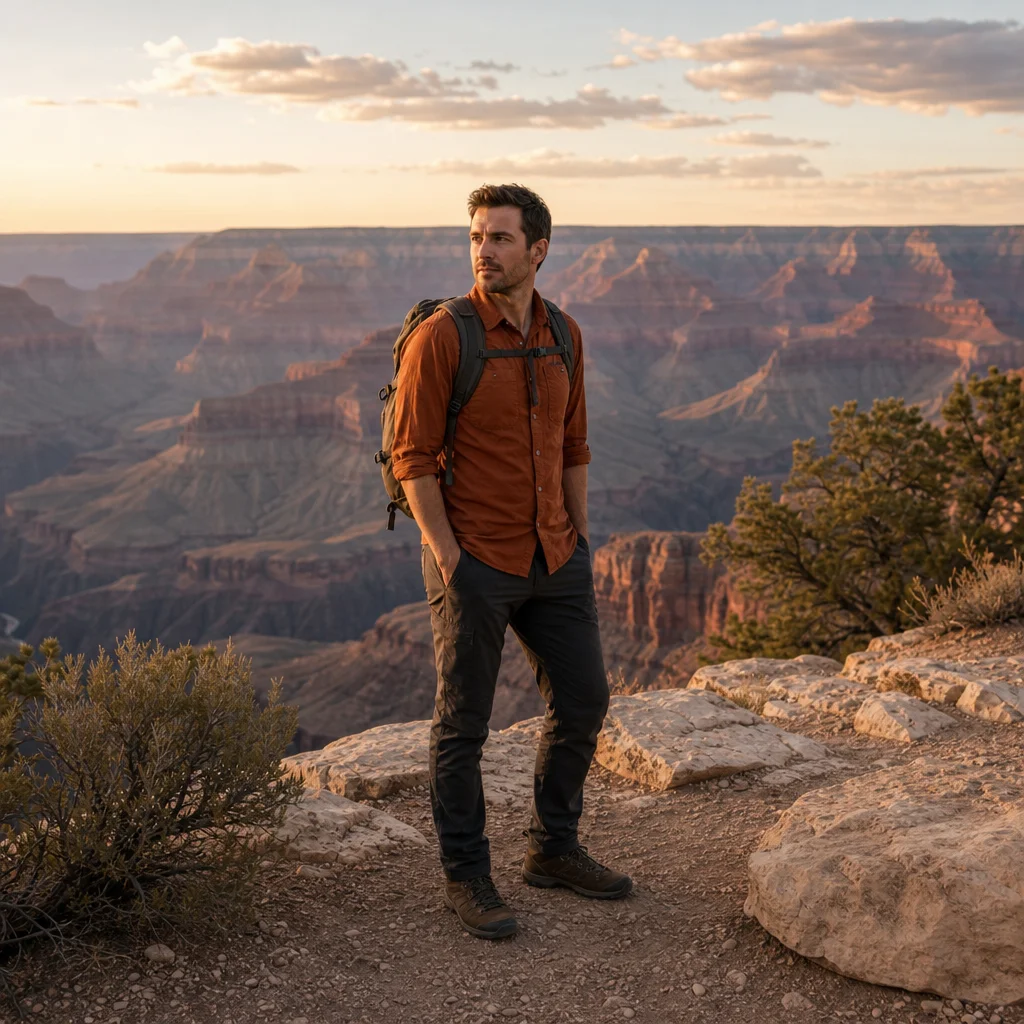
The food that looks reasonable on a kitchen counter can feel excessive after several miles of climbing. A full day on the trail may require substantial energy, but appetite rarely follows a neat schedule, and a slow hiker can finish carrying food intended for a faster day. The goal isn’t to pack the fewest possible grams. It’s to carry food you’re likely to eat, in forms that remain useful when conditions, pace, or appetite change.
Start with the day you’re actually planning
Before choosing meals, estimate the outing in hiking time rather than trail distance alone. Elevation gain, rough footing, heat, cold, navigation, and a heavy pack can all reduce your pace. A route advertised as a long day may become longer if you’re moving cautiously or taking frequent breaks.
Build your food plan around four questions:
- How many hours will you likely be moving?
- Where are the hardest climbs or longest gaps between breaks?
- Will you have reliable access to water?
- What food do you normally eat when tired rather than what sounds appealing at home?
For an intermediate hiker, a useful starting point is to plan food by eating opportunities: breakfast, small snacks during movement, a more substantial midday meal, and a reserve. This is usually more practical than trying to calculate an exact calorie target. Energy needs vary with body size, pace, temperature, elevation, terrain, and individual metabolism.
If you’re starting before dawn, count the pre-trail meal separately from the food in your pack. Likewise, don’t automatically pack a full second day of food for an overnight trip if you’ll reach a resupply point or trailhead meal before then. The route plan should determine the food load, not a vague idea that a long hike requires an enormous supply.
Use a simple food architecture
A minimalist food system works best when each item has a clear job. You don’t need a different snack for every hour. You need enough variety to keep eating, enough density to support the effort, and enough flexibility to handle a change of plan.
1. A dependable first meal
Choose a breakfast you can eat early and tolerate while active. Oatmeal, a bagel with a shelf-stable spread, cereal with powdered milk, a tortilla, or a prepared meal can work depending on your schedule and access to hot water.
If you tend to have little appetite immediately after waking, don’t force a large breakfast into the plan. Pack a modest first meal and shift more food into early trail snacks. The important question is whether the arrangement gets you moving with enough energy, not whether it resembles a traditional breakfast.
2. A steady stream of trail food
Small portions are often easier to manage than one oversized lunch. Combine a few categories:
- Carbohydrate: pretzels, dried fruit, crackers, tortillas, bars, or candy
- Fat: nuts, nut or seed butter, cheese that suits the conditions, or a dense spread
- Protein: jerky, roasted legumes, tuna or other shelf-stable packets, protein bars, or a powdered supplement you already tolerate
- Salt and flavor: seasoned snacks, broth, pickled items in suitable packaging, or a savory meal component
You don’t need every category in every snack. The combination matters over the day. Carbohydrate-heavy foods may be easy to eat during a hard climb, while fat and protein can make a rest-stop meal more satisfying. If a food is difficult to chew, melts, crumbles into your pack, or leaves you thirsty, its theoretical nutrition won’t make it useful.
3. One recognizable meal
A more substantial midday meal gives the day structure, but it doesn’t have to be elaborate. A tortilla with a filling, a bagel, a compact grain or noodle meal, or a combination of savory snacks can be enough. Keep it separate from the rest of your food so you don’t accidentally eat the planned lunch during the first hour.
4. A reserve with a defined purpose
Carry a small reserve for a missed turn, slower progress, unexpected waiting, or a changed exit plan. The reserve should be food you’ll actually eat: a bar, nut packet, dense snack, or other compact item. Keep it identifiable and don’t treat it as part of your normal hourly intake unless the day changes.
A reserve isn’t a substitute for route planning or emergency equipment. It’s a modest buffer that gives you options when the timetable slips.
Pack for energy density, not novelty
The lightest food isn't automatically the best food. A tiny item that you dislike may return to the trailhead untouched, while a slightly heavier food that you reliably eat can be more useful. Compare foods by how much energy and satisfaction they provide for their weight, packaging, and preparation needs.
Dense foods commonly include nuts, nut and seed spreads, bars, dried fruit, tortillas, crackers, and some compact meals. They’re especially useful when the route involves sustained climbing or when you’re carrying water. But very rich food can feel unpleasant in heat or during intense effort. Balance dense items with lighter, easier-to-eat options rather than building the entire day around one category.
Avoid carrying several foods that perform the same role. Three varieties of bars may create the appearance of choice without giving you meaningful flexibility. A better small selection might include:
- one easy carbohydrate for climbing;
- one savory or salty option;
- one more filling food for a longer break;
- one reserve item;
- a small treat that helps you continue eating when ordinary food loses its appeal.
Repackage food only when it improves access or reduces unnecessary bulk. Remove cardboard boxes, combine individually wrapped items in a durable bag, and label anything that could be confused with another ingredient. Don’t remove information you may need for dietary, allergen, or preparation reasons.
Let appetite guide timing, not total supply
Waiting until you feel ravenous can make eating harder. On a long hike, take small amounts at regular breaks or during manageable sections, especially before a sustained climb. You don’t need to eat constantly, but you should avoid turning every snack into a recovery effort after energy has already dropped.
Use appetite and conditions to adjust the mix:
- In heat, favor foods that remain palatable and make hydration easier.
- In cold weather, keep vulnerable foods accessible and prevent bars or spreads from becoming too hard to use.
- On steep terrain, choose small bites that you can manage without stopping for a full meal.
- During a slow, technical day, carry enough food for the longer duration even if the mileage is modest.
- On a short or unusually fast day, reduce the main food load while retaining a reserve appropriate to the route and exit options.
Your appetite may also change because of altitude, exertion, stress, or motion. If you know that certain foods become unappealing after several hours, don’t make them the foundation of the plan. Familiarity matters more than theoretical variety.
Check your food-safety margin: Before packing perishable or homemade items, consider the expected temperature, time outside refrigeration, exposure to sun, and whether the food can leak or contaminate other gear. Use an insulated container or choose shelf-stable alternatives when those conditions exceed the food’s safe handling limits, and follow current local food-safety guidance for ingredients with special storage needs.
Account for dietary needs without multiplying the load
Dietary restrictions can make a minimalist system easier to define because they narrow your reliable choices. Test the complete combination before a long outing, including spreads, drink mixes, bars, and shared meal ingredients. “Vegetarian,” “vegan,” gluten-free, dairy-free, and allergen-conscious products can differ in preparation and cross-contact information, so read the label rather than assuming a category guarantees suitability.
Pack a replacement for each important function, not a replacement for every individual food. For example, if a nut-free plan excludes your usual dense snack, choose one alternative that supplies similar fullness and one easier carbohydrate. If you need a hot meal, confirm that the replacement works with the stove, water, and cooking time you’ll have.
Keep essential dietary food clearly separated from optional treats. If another hiker may share your supplies, label ingredients and allergens plainly. Never rely on a companion’s food as your primary plan.
Reduce cleanup before you leave
Minimalist eating includes the waste and washing that happen after the meal. Foods that require no utensils, little water, and no greasy container are often worth choosing even when they aren’t the absolute lightest option.
Consider:
- meals that can be eaten from their original pouch or a single container;
- spreads in small, secure packets rather than leaky jars;
- tortillas, crackers, or bars instead of foods that require a bowl;
- a small spoon or utensil only if it serves more than one meal;
- a dedicated bag for wrappers, used packets, crumbs, and other trash.
Pack out all packaging, including food residue and peels where local rules or trail conditions require it. Keep food waste out of water sources and away from campsites. If you’re using a bear-resistant food storage system or traveling through an area with food-storage requirements, account for the volume and shape of the packed food before leaving home. Current regulations and restrictions vary by land manager and location.
Adjust the load for a shorter or slower day
The most useful food plan is modular. Pack components you can remove or add without rebuilding the entire supply.
For a shorter day, reduce the number of routine snacks first, then reconsider the size of the main meal. Keep a route-appropriate reserve even when the forecast and schedule look favorable. A short route can still involve navigation problems, injury, weather delays, or a slower return.
For a slower day, don’t simply eat all the food earlier because the clock says you should be farther along. Reassess your remaining distance, daylight, water, weather, and energy. Open the reserve when the delay creates a genuine need or when the revised plan requires it. If the day is extending beyond your food and water margins, turn around or change the objective before the shortage becomes urgent.
For an overnight trip, separate food by day and keep the next day’s supply protected. This prevents a first-day appetite spike from consuming food needed later. If you expect a resupply or a meal at the end of the route, confirm that it will actually be available during your travel window rather than treating it as guaranteed.
A field-ready packing check
Before closing your pack, confirm that:
- the food matches the realistic duration, pace, and terrain;
- each item has a purpose and at least one option is easy to eat while moving;
- you have a modest reserve suited to the route;
- the food remains safe under the expected temperature and time conditions;
- dietary and allergen needs are covered without relying on another hiker;
- packaging is compact, sealed, labeled when necessary, and easy to pack out;
- water and preparation requirements are compatible with the route;
- you’ve tested unfamiliar foods before committing to a long hike.
If you can remove a food item without losing a necessary function, it may not belong in the pack. If removing it would leave you without a reliable meal, a usable reserve, or a way to meet your dietary needs, keep it. The target isn't the smallest food bag—it’s a compact system you’ll actually eat when the trail takes longer than expected.