How to Tell When a Shortcut Is Causing Trail Damage
A shortcut may save a few minutes, while an established trail can save the hillside from years of repair. I’ll show you the first signs of damage and the simple route choices that reduce wear on fragile terrain.
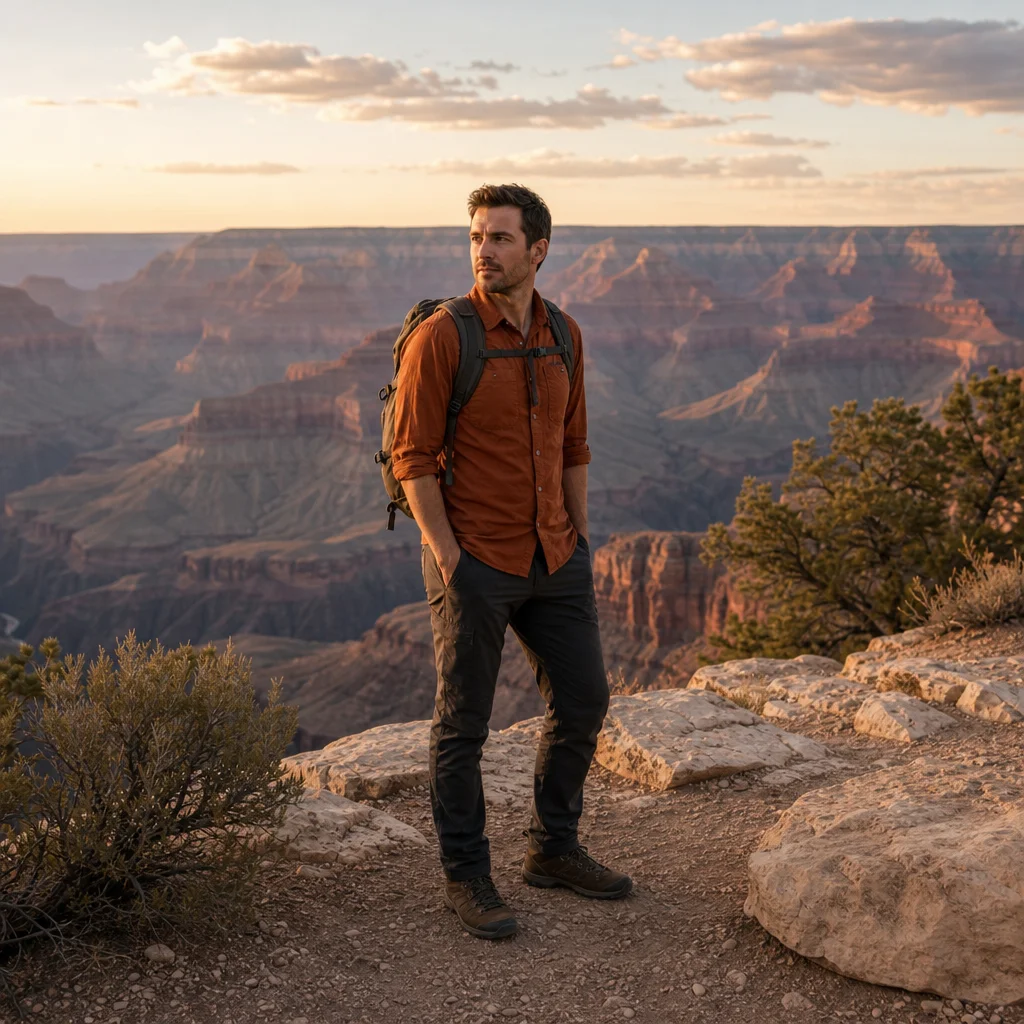
When a maintained trail bends across a slope, the direct line downhill can look harmless—especially when the ground is dry and the shortcut appears to be only a few steps long. The damage usually starts quietly. One hiker crosses the corner, another follows, and soon rain, boots, and repeated traffic begin working on a new path.
Recognizing that process helps you make a better choice without needing specialist knowledge. You’re looking for changes in vegetation, soil, water flow, and the shape of the route. Once a shortcut is already damaged, use judgment rather than assuming that following it is always the responsible option.
Start with the route in front of you
A shortcut is any path created or enlarged by foot traffic outside the intended trail alignment. It might cut across a switchback, lead directly to a viewpoint, bypass a muddy section, or connect two parts of a trail. Some informal paths are old and obvious; others are only a line through crushed plants.
The key question isn't simply, “Is there a path here?” Ask instead:
- Does this route appear designed, maintained, or signed?
- Does it follow a durable surface such as rock or compact soil?
- Does it direct water safely, or does it run straight down the slope?
- Are you stepping onto a single worn line or joining a broad, established trail?
- Would using it make the bare area wider or deeper?
A maintained trail often has a consistent width, a recognizable tread, and a route that works with the terrain. It may include switchbacks, drainage features, retaining structures, steps, or carefully placed rocks. Those features can seem inconvenient compared with a straight line, but they spread the elevation change and reduce the speed and concentration of runoff.
An informal shortcut commonly looks less settled. It may be narrow, uneven, braided, or interrupted by roots and exposed rock. It can also appear more convenient because it ignores the slope’s natural problems rather than solving them.
Confirm the intended route: Before choosing between a main trail and an informal track, check the map, trail signs, and any current notices at the trailhead. A signed reroute or designated connector can look like a shortcut when it is actually the correct route.
Read the early signs of damage
You don’t need to wait for a deep gully or a completely bare hillside. Early signs are often easier to recognize and easier to prevent.
Widening at corners
Look at switchbacks and sharp bends. If people cut across the inside of a turn, the corner may develop a second line of travel. As more boots use it, the original trail and the shortcut combine into a wider, blunt-edged area.
A widening path is especially concerning when vegetation has been crushed on both sides. The damage isn't limited to the visible tread. Repeated steps can compact soil where plants once held the surface together, making it harder for vegetation to recover.
Exposed roots and compacted soil
Roots crossing a shortcut may be a sign that the upper soil layer has been worn away. A few exposed roots don't prove that a particular person caused the damage, but a pattern of bare roots along a direct line is useful evidence of repeated traffic and erosion.
Compacted soil may look smooth, hard, or darker than the surrounding ground. It can shed water instead of absorbing it. On slopes, that water may flow along the shortcut, carrying loose soil downhill and enlarging the route during later storms.
Ruts, channels, and loose soil
A shortcut that points straight down a slope is vulnerable to runoff. Watch for narrow grooves, small trenches, displaced stones, or a line of loose soil below the tread. These features show that water and foot traffic are beginning to use the same route.
The risk increases when the surface is wet, thawing, or muddy. A boot that sinks into soft ground can leave a deep impression. Walking around that impression creates another line, and repeated avoidance can turn one muddy spot into a wide, braided section.
Missing vegetation and social trails
A social trail may begin as a faint gap through grass, moss, leaf litter, or low plants. It often leads toward a viewpoint, campsite, water source, restroom, or another popular destination. The more direct the destination feels, the more likely the route is to attract repeated traffic.
Look for a corridor where plants are bent, broken, or absent. A single footprint isn't the same as a trail, but a continuous worn line with multiple approaches suggests that use is becoming established. Several parallel lines are a warning that hikers are spreading the damage rather than following one durable tread.
Understand why the shortcut gets worse
The shortcut’s apparent efficiency is usually measured in minutes. The cost is distributed across the trail system: lost vegetation, accelerated erosion, blocked drainage, and additional maintenance. A short detour may feel inefficient to you, but it can be the lower-cost choice for the landscape and the people responsible for keeping the trail usable.
Switchbacks are a good example. They add distance, but they reduce the steepness of the route. A direct cut across the inside of a bend concentrates feet and water on a shorter, steeper line. Once that line erodes, it may become slippery, unstable, and difficult for everyone—including crews—to repair.
Fragile surfaces need even more care. Alpine plants, desert crusts, wet meadows, sandy slopes, and thin soils can take a long time to recover from repeated footsteps. The exact recovery period depends on climate, elevation, season, plant community, and traffic. You don’t need a precise timetable to make the right decision: if the surface is living, soft, or easily displaced, stay on the durable route.
Choose the least damaging route
When the main trail is open and usable, stay on it even if an informal shortcut looks established. Keep your feet within the visible tread rather than stepping onto the edges to pass puddles, roots, or other hikers. If the trail is muddy, move slowly and accept a little inconvenience instead of creating a parallel line—unless doing so would put you at risk of slipping or falling.
If you’re hiking with others, make the choice explicit. A quiet comment such as “Let’s stay on the switchback” can prevent the group from spreading onto the corner. Beginners often follow the person in front, so the first hiker’s decision determines the route for everyone behind them.
When a trail is blocked, damaged, or clearly rerouted, don’t improvise a new path automatically. Look for signs, maps, flagging, or instructions from the managing agency. If no safe and authorized route is apparent, turning around may be the most resource-efficient option. One improvised bypass can become a new problem, particularly on steep or wet ground.
You can report significant damage through the land manager’s established contact method when one is provided. A useful report identifies the trail, approximate location, type of damage, and whether the issue affects drainage, navigation, or safe passage. Avoid moving rocks, cutting plants, or attempting repairs unless the land manager specifically asks visitors to do so.
Adjust your decision as conditions change
A shortcut that looks minor in dry weather may become an erosion channel during rain. Snow can hide the intended tread and make a direct descent tempting, while thawing ground may be too soft to support repeated travel. In darkness, fog, or heavy vegetation, you may not be able to distinguish a maintained route from a social trail.
Before leaving the established tread, consider four conditions:
- Surface: Is the ground firm, rocky, or durable, or will your boots displace soil and plants?
- Slope: Will the route send water and loose material straight downhill?
- Traffic: Are you joining a clearly maintained route or adding another line?
- Consequence: If you slip, get lost, or damage the area, can you safely recover?
If the answer is uncertain, remain on the main trail. The few minutes saved by cutting a corner rarely justify creating a route that becomes wider, deeper, and harder to maintain.
There is one important distinction: you shouldn't force yourself through a dangerous section merely to avoid stepping off a trail. If flooding, rockfall, unstable ground, or another immediate hazard blocks the route, move to safety and follow current instructions. Protecting terrain matters, but it doesn't require you to accept avoidable injury. Once safe, use the appropriate local reporting channel and avoid creating a permanent bypass if you can.
A field-ready shortcut check
Before taking an informal line, pause and ask:
- Is this a signed or mapped route, or only a worn track?
- Do I see widening, bare soil, exposed roots, ruts, or runoff channels?
- Is the ground wet, muddy, frozen, thawing, sandy, or otherwise fragile?
- Would my steps add another line or make an existing one wider?
- Can I stay on the maintained trail without creating a safety problem?
- If the route is blocked, have I checked for a designated reroute?
If the shortcut shows active damage and the main trail is safe and open, stay on the main trail. If conditions make the route unsafe, prioritize a controlled retreat or an official alternative over an improvised track. That small decision keeps your impact—and the future repair burden—as low as possible.