How to Yield on a Narrow Trail Without Stepping on Fragile Plants
On a narrow trail, one rushed sidestep can damage plants that take years to recover. I’ll show you how to read the approach, communicate with hikers, horses, and bikes, and choose the least harmful place to yield.
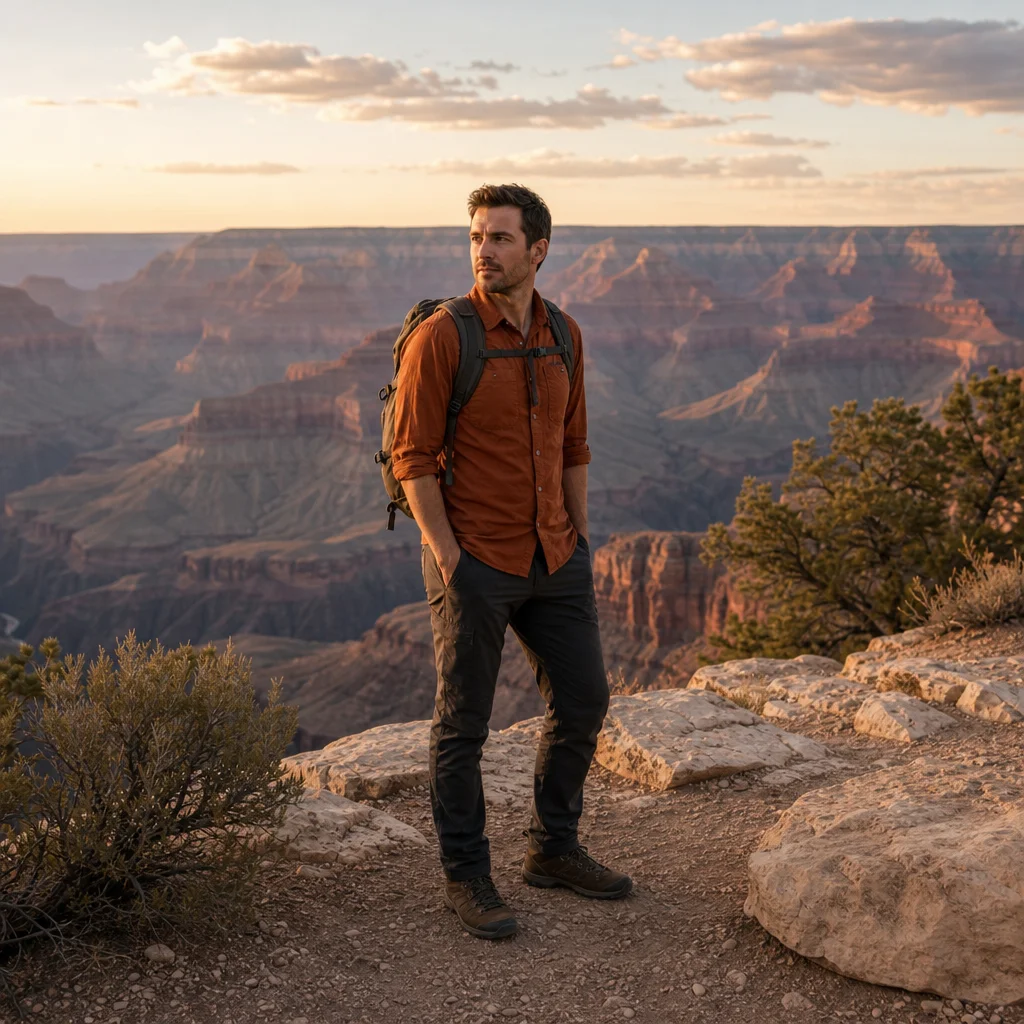
When two trail users meet on a narrow section, the obvious escape route is often the wrong one. A step onto a mossy shoulder, wildflower patch, or loose slope may take only a second, but repeated traffic can widen the trail and destroy vegetation that helps hold the soil in place.
Yielding well is less about memorizing one universal rule than making a calm decision with the conditions in front of you. You need to identify who is approaching, understand the trail’s edges, communicate early, and wait for a durable passing point whenever possible. The goal is simple: let others pass without turning the trail into a wider, more damaged corridor.
Prepare before the narrow section
The best place to solve a passing problem is before you reach it. On popular multi-use trails, slow down near blind corners, steep side slopes, switchbacks, bridge approaches, and stretches bordered by dense vegetation. These are the places where users have the least time and space to react.
Keep your attention out of your phone and scan ahead for movement, voices, hoofbeats, bike tires, and shadows around bends. If you’re hiking with a group, keep it compact enough that other users can communicate with you. A spread-out group can make a narrow trail feel blocked even when the trail technically has room.
Before starting, check the posted information for the trail or park. Local rules may establish right-of-way, seasonal closures, equestrian routes, bike restrictions, or designated passing areas. Those details can differ, so don’t assume a familiar convention applies everywhere.
Check the trail’s local rules: Before you set out, confirm current guidance on user priority, seasonal closures, and permitted travel modes from the managing agency or posted trail signs. Follow those rules even when they differ from your usual habit.
A small amount of preparation also reduces the need for improvisation. Wear footwear that gives you stable footing on the trail surface, keep pack straps from dangling, and avoid stopping in the middle of a narrow passage. If you use trekking poles, be ready to shorten or secure them when another user approaches so they don’t catch someone or force you toward the edge.
Read the approach before choosing a side
When you see another trail user, first determine what is approaching and how quickly. A person on foot, a runner, a cyclist, and a horse don't present the same passing problem.
A horse needs more room and may react to sudden movement, noise, or a person stepping unexpectedly from vegetation. A cyclist may be moving quickly and may need extra distance to brake safely. A group of hikers may be able to pause in place, but a single hiker carrying a child or managing a dog may need more time to reposition.
Look beyond the immediate meeting point. The nearest open patch may be a fragile shoulder, while a more durable surface is only a few steps ahead. Check for:
- A widened, compacted section where feet have already been directed by trail design
- A firm rock, gravel, or bare-soil surface that can tolerate brief standing
- A trail junction, overlook, bridge approach, or other designated space
- A level area with good visibility in both directions
- A place that keeps you away from water, steep drop-offs, loose slopes, and dense vegetation
Avoid treating every brown or open-looking patch as a suitable place to stand. It may be a recovering plant community, a cryptobiotic soil surface, or loose ground that will erode when stepped on. If you can’t tell whether an area is durable, assume it isn’t and continue looking for a better option.
Communicate early and plainly
Silence creates uncertainty. As soon as you can see that passing will be tight, make your presence known in a calm voice. “Hiker coming through,” “Would you like us to wait here?” or “There’s a wider spot just ahead” gives the other person useful information without turning the encounter into a contest.
If you’re approaching from behind, announce yourself well before you reach the person ahead. Don’t rely on a sudden “on your left,” especially on a narrow trail where the other user may step in the direction you named. Give them time to turn, assess the edge, and choose a safe place to move.
For horses, speak normally and avoid sudden gestures. Ask the rider what works best rather than assuming. The rider may prefer that you remain still, step to a particular side, or move farther away. Stand where you can be seen, keep your body quiet, and follow the rider’s instructions if they’re consistent with the trail’s conditions.
With cyclists, communicate before they reach the tightest point. A cyclist may choose to dismount, slow down, or ask you to wait. Don’t step abruptly aside while looking only at the rider; make sure your footing and the edge are safe first.
Dogs require extra attention. Keep your dog close and under control, particularly when horses or unfamiliar dogs are approaching. A leash stretched across the trail is a trip hazard, and a dog pulling toward vegetation can force you into an unstable position. Move the dog with you only when you’ve selected a durable place to wait.
Choose the least harmful passing method
The most resource-efficient choice is usually the one that avoids creating a new path. Trail managers have limited time and funding to repair erosion, replace damaged drainage, and restore trampled vegetation. Keeping traffic on the established tread prevents those costs from accumulating.
Wait on the trail when you can
If you’re the person with a clear view of the approaching user, stop on the established tread at a point that leaves room for the other person to pass. Stand to one side without stepping onto plants or kicking loose soil over the edge. Keep your pack and poles within your footprint as much as possible.
This works particularly well when the approaching user is on a horse or moving faster than you are. A stationary hiker is easier to see and predict than someone attempting to shuffle along a narrow edge.
Move to a durable surface only when it is clearly appropriate
Sometimes the trail is too narrow for one user to remain in place. If you need to step aside, choose an existing durable surface rather than making a new one. A rock or compacted bare patch may be suitable, but test it visually before committing your weight. Avoid loose ledges, slippery roots, wet soil, and edges that crumble toward a slope.
Keep both feet in the same established area. Don’t take one step onto the trail edge and another into vegetation. That staggered position spreads impact and makes a slip more likely. If there’s no safe, durable place to stand, tell the approaching user that you need to wait for the next wider section.
Let the more vulnerable user keep the safest position
Right-of-way conventions can help, but they don’t replace judgment. A horse, a person with limited mobility, a child, or someone on an exposed section may need the more stable position. A group carrying heavy packs may need more time to move than a lightly equipped runner.
The person who has already reached a safe passing area may be best positioned to stay there, even if another convention would normally suggest otherwise. Use clear communication to agree on the plan rather than forcing a rigid sequence.
Handle awkward situations without damaging the edge
The trail has no safe passing spot
Don’t squeeze past if doing so would put a foot on fragile plants, destabilize the slope, or place either user at risk. Back up carefully to the nearest durable widening if that is safer than waiting. Move slowly, tell the other user what you’re doing, and watch for people approaching from behind.
If backing up would be dangerous, remain visible and ask the other user to wait. On a steep or exposed trail, the safest action may be to pause until the group can pass one person at a time.
Someone has already stepped off-trail
Avoid scolding or crowding the person. Point out a better option if one is available: “There’s a rock shelf just ahead that looks more durable.” A calm suggestion is more likely to prevent another step onto vegetation than a confrontation.
If you’re the one who made a poor step, return to the trail by the shortest route that causes the least additional disturbance. Don’t trample a larger area trying to find a perfect exit. Keep moving rather than lingering on the edge.
The trail is crowded
During busy periods, wait before entering a narrow section if you can. Let an approaching cluster clear rather than stepping aside repeatedly for individual users. If you’re traveling with a group, regroup only in a durable, open area—not along a planted shoulder or at a blind corner.
Repeated stops can create informal widening even when every individual step seems harmless. A brief pause at a signed or naturally durable area is cheaper for the trail, safer for users, and easier to manage.
Adjust for weather and seasonal conditions
Wet soil is more vulnerable to compaction and displacement than dry, firm soil. After rain or snowmelt, avoid stepping onto muddy shoulders, soft banks, and areas where water is already flowing. Your boot may leave a deep impression that becomes a channel for later runoff.
In dry conditions, loose dust and gravel can slide underfoot, particularly above steep drop-offs. In winter, vegetation may be hidden beneath snow, so a seemingly harmless step beside the trail can still damage plants or break through a fragile surface. Stay on the established tread unless the managing agency has marked a different route.
Crowded trails, poor visibility, and changing surfaces are reasons to slow down—not reasons to accept more edge damage. If conditions make a section difficult to yield on, consider waiting for a quieter time or choosing a route with wider, more durable tread.
A field-ready yielding checklist
Before you move aside, ask:
- Who is approaching, and how fast or unpredictably might they move?
- Does anyone need extra space because of a horse, child, dog, mobility concern, or steep exposure?
- Is there a durable passing place ahead or behind me?
- Can I stay entirely on the established tread or an obvious hardened surface?
- Is the ground wet, loose, icy, or too steep for a stable step?
- Have I communicated early enough for everyone to make a deliberate choice?
If the only way to pass is to crush vegetation, widen the trail, or take an unsafe step, don’t pass there. Wait, back up carefully when safe, or ask the other user to do the same. A few extra minutes on the trail is the low-cost decision; repairing a damaged edge and preventing the next shortcut is the real measure of good yielding.