How to Hike Responsibly During Wildflower Season Without Widening Trails
When western meadows are crowded, muddy, and full of tempting photo stops, small choices can widen a trail quickly. I’ll show you how to prevent that damage while still enjoying wildflower season responsibly.
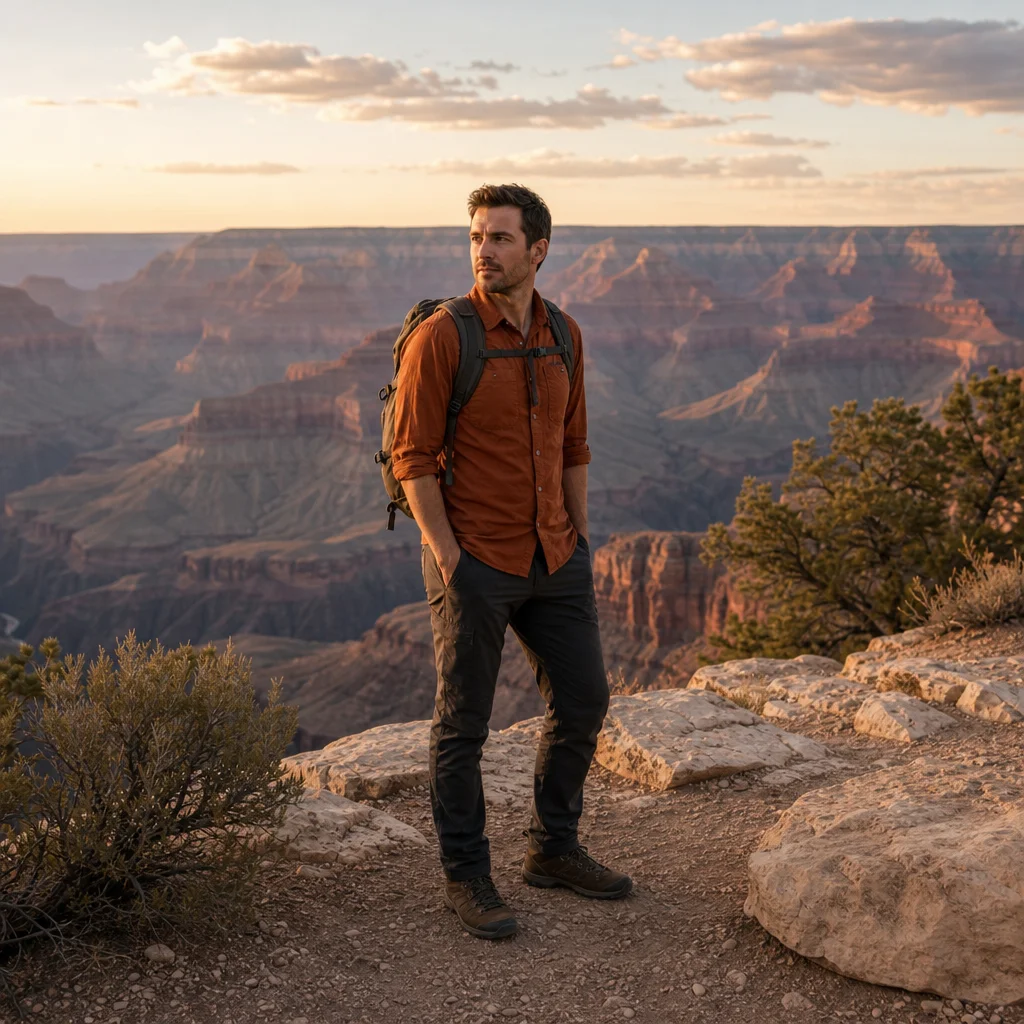
Wildflower season can turn a narrow mountain trail into a slow-moving line of hikers, photographers, and muddy footsteps. The most fragile ground is often just beyond the established tread, where a single detour around a puddle can become a second path by afternoon.
Responsible hiking in these conditions is less about avoiding every inconvenience and more about recognizing which choices concentrate impact and which ones spread it. You can pause for flowers, let others pass, and change plans without stepping into seasonal growth.
Prepare for a crowded, fragile trail
Before you leave, check the route’s current conditions and identify whether the trail crosses meadows, grasslands, wetlands, or other areas likely to be soft during snowmelt or spring rain. A trail that is easy and dry later in the season may be narrow, muddy, or partially closed during peak bloom.
Wear footwear with enough traction to keep you on the established surface. If your shoes are slick, you’re more likely to step onto vegetation when the tread becomes wet. Trekking poles can also help with balance, but use them carefully near the trail edge; repeated pole strikes can damage plants and loosen soft soil.
Pack for a stop that doesn’t require spreading out. A small sit pad, water bottle, rain layer, and snack let you wait on durable ground instead of kneeling or sitting among flowers. Keep camera equipment accessible so you don’t need to unload your pack beside the trail.
If you’re hiking with a dog, check the area’s current leash and access rules before setting out. Even where dogs are allowed, a dog moving through a meadow can create more disturbance than a person staying on the tread. Plan to keep your dog beside you and away from flower-filled edges, not merely under verbal control at a distance.
Check the meadow’s current rules: Before you go, verify closures, leash requirements, seasonal restrictions, and any designated viewing areas with the land manager responsible for your route. Conditions and regulations can change during the bloom period.
Stay on the tread when the edge looks inviting
The established trail is usually the least damaging route through a sensitive area, even when it looks rough. Walk single file where the path is narrow. Keep your feet within the existing tread rather than placing them on the grassy margin to walk beside a companion.
A few common situations require particular discipline:
- A muddy section appears: Slow down and cross the mud if the tread is passable. Step on firm spots within the existing path, not around the outside edge.
- A puddle covers the trail: If there is a stable way through without entering deep or dangerous water, use the route already established. If the section is unsafe or impassable, turn around rather than creating a new line around it.
- The trail is crowded: Wait in a wider, durable spot such as bare rock, gravel, or an established stopping area. Don’t step into flowers to let a faster group pass.
- The tread is hard to see: Stop and look for the continuation before moving. Don't fan out to search for a route across the meadow.
- A fallen branch or snow patch blocks the path: Look for an obvious, previously used bypass. If none exists, retreat or choose another route instead of making one.
The key distinction is between navigating the existing trail and inventing a more comfortable one. If your route leaves a visible tread and crosses living vegetation, it’s probably the wrong solution, even if the detour seems minor.
Handle mud without widening the trail
Mud creates the strongest temptation to step aside. It also shows how quickly a trail can expand: one person avoids a wet patch, another follows, and a parallel strip forms along the edge.
Approach a muddy section with shorter steps and a slower pace. Test firm ground with your foot before committing your weight, and keep your balance centered. If you use poles, plant them in the trail rather than in the vegetation alongside it.
Don't assume that the driest-looking edge is the most durable. Grass and low plants may conceal saturated soil, and stepping there can flatten growth even when your boot doesn’t sink. A muddy footprint in the established trail is usually less harmful than a clean-looking track through the meadow.
If the trail has become a continuous trench, the right response may be to turn around. That decision depends on the depth and stability of the mud, your footwear, weather, and the consequences of slipping. Protecting the meadow doesn’t require you to accept a dangerous crossing. It does require you to avoid solving the problem by walking a new route.
Stop for photos without creating a photo platform
Wildflowers encourage people to spread out. You may want a low angle, a clear background, or a view without other hikers in the frame. Those goals can quietly move you from the trail to the edge, then farther into the meadow.
Before stopping, find a place where your feet can remain on the established tread or on durable ground that is already being used as a stopping area. Step aside only where the surface can withstand it, such as rock, gravel, or bare soil, and keep your pack, tripod, and camera strap from extending into vegetation.
A few habits help:
- Choose the position before stepping off the trail. Look for a durable surface rather than walking into flowers to search for one.
- Keep the stop compact. One person taking a photograph needs less space than a group arranging bags, poles, and tripods.
- Take the photograph from the trail when possible. Zoom, change your angle, or wait for a gap instead of entering the meadow.
- Never pick, bend, or hold flowers aside. The plant may be damaged even if the stem springs back.
- Avoid blocking the passage. Let hikers pass before beginning a longer photo session.
If the only way to get the desired image is to stand among flowers, the image isn’t worth that position. A less dramatic photograph from the trail still leaves the next season’s growth undisturbed.
Move through crowds without creating shortcuts
Crowding can make staying on the trail feel inconsiderate. You may be trying to let a group pass, avoid a slow hiker, or give space to someone who needs a break. The solution is to communicate and use the next appropriate widening, not to step into the meadow whenever the trail narrows.
Call out before passing and wait for a clear place. If you’re descending and meet an uphill hiker, step to the side that is already part of the trail’s durable surface when possible. Keep the exchange brief if the available ground is fragile.
Groups should avoid walking abreast across open ground. Spread-out hikers create multiple footpaths and make it harder for people approaching from the opposite direction to stay on the tread. Keep children close enough to prevent wandering and explain that the flowers aren't a play area.
If a line has stopped, resist the urge to walk around it. Ask whether the delay is temporary, then wait or turn back. A shortcut made to save a few minutes can remain visible long after the crowd has gone.
Recognize damage before it becomes a route
Watch for signs that people are already widening the trail:
- Several faint tracks running beside the main tread
- Flattened plants along a muddy section
- Bare soil forming a curve around a puddle
- Footprints leading to a popular flower cluster
- A broad stopping area with no durable surface
These signs are reasons to become more deliberate, not invitations to follow the existing damage. Use the most established route and avoid adding another line. If a closure, barrier, or posted direction tells you to stay out, follow it even if the blocked area appears attractive or the alternate route is inconvenient.
You can also help by reporting significant erosion, a missing sign, or a newly forming bypass through the appropriate land manager’s channel after your hike. Keep the report factual: identify the trail, describe the location, and explain what you observed. Don’t place unofficial markers or build your own drainage.
Turn around when staying on trail is no longer practical
A responsible turnaround isn't a failure of preparation. It’s the correct choice when the trail is too muddy to cross safely, when the route is closed, or when continuing would require walking through sensitive vegetation.
Make the decision before you reach the obstacle if you can. Ask yourself:
- Can you cross on the existing tread without an unreasonable risk of slipping or falling?
- Is there a clearly established, permitted route around the obstacle?
- Will your group be able to stay together without spreading into the meadow?
- Are you relying on a faint track that appears to have been created by recent visitors?
- Would continuing force you to damage plants or create a new path?
If the answer to the last question is yes, turn around or choose a different trail. Current closures and local guidance should take priority over a general rule about crossing mud or continuing toward a viewpoint.
A field-ready wildflower-season checklist
Before and during the hike:
- Check current access, closure, leash, and seasonal-use information.
- Wear footwear that helps you remain stable on wet, uneven tread.
- Stay within the established trail, especially beside muddy sections.
- Stop for photos on the trail or on durable ground.
- Keep groups, children, and dogs from spreading into flowers.
- Wait in an established durable spot rather than creating a passing lane.
- Don’t follow faint shortcuts around puddles or crowds.
- Turn around when the only alternative is fragile vegetation or an unsafe crossing.
The simplest decision threshold is this: if a choice makes the trail wider, choose a slower option, a shorter visit, or a turnaround. Wildflower season is temporary; the tracks people create to enjoy it can last much longer.