What to Eat When a Day Hike Becomes an Overnight Problem
I’ll explain how to ration day-hike food, protect water and fuel, and choose sensible eating priorities when an unexpected night out becomes likely. You’ll learn what to use first, what to avoid, and when food should give way to shelter, signaling, or evacuation.
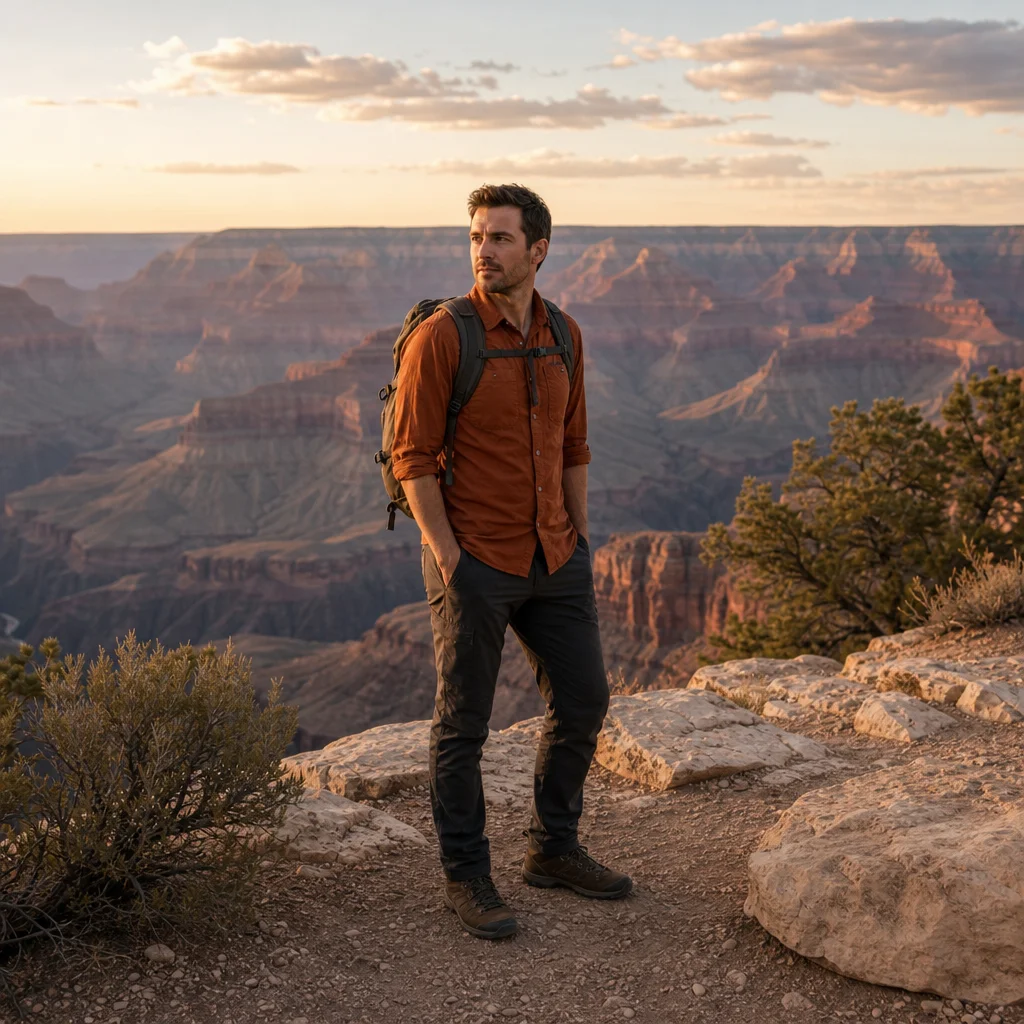
The decision changes when daylight is running out and the trailhead is no longer a realistic destination. A day-hike snack that seemed generous at noon can become your only food until morning, while a small water bottle, wet clothing, or a dead phone may matter more than calories.
When a day hike becomes an unplanned overnight, your goal isn't to eat normally. Your goal is to stay warm, hydrated, alert, and capable of moving or signaling when conditions allow. Food supports those priorities, but it rarely solves the immediate problem.
First, decide whether food is the urgent problem
Before opening your remaining snacks, assess the situation. Ask yourself:
- Are you injured, bleeding, or unable to walk safely?
- Are you becoming cold, wet, confused, unusually sleepy, or uncoordinated?
- Do you have a dependable place to shelter from wind, rain, snow, or falling temperatures?
- How much water do you have, and do you know where you can obtain more?
- Does anyone know your location, route, and expected return time?
- Can you reach a safer position before dark without increasing your risk?
If you’re cold or exposed, shelter and insulation come first. If you’re dehydrated, water and a safe water source come first. If you’re injured or lost, communication and signaling may be more valuable than trying to hike farther for food.
Don't use food as a reason to continue after the terrain, weather, or visibility has made travel unsafe. A few hundred extra calories won’t compensate for a fall, a wrong turn, or an exhausted decision-maker.
Inventory everything before you start eating
Take out all food and separate it into three groups:
- Ready-to-eat food: bars, nuts, candy, sandwiches, dried fruit, jerky, crackers, and other items that require no preparation.
- Food needing heat or water: dehydrated meals, instant soup, oatmeal, drink mixes, or anything that depends on a stove.
- Food with a special purpose: medical nutrition, food reserved for a partner, or an item you may need to trade for water or assistance in an unusual situation.
Count portions rather than estimating by how full the packaging looks. Opened bags can be deceiving, especially in darkness or bad weather. Keep food together in one waterproof container or bag so you can find it without unpacking your shelter or dropping small items.
Check what you can actually eat. A frozen bar may need to be warmed inside your clothing. A sandwich may be crushed but still usable. A dehydrated meal may be impossible to prepare if you’re conserving water or if the stove is unsafe to operate. Treat food that depends on heat as a lower-priority resource until you know you can use it safely.
Eat small portions on a deliberate schedule
Panic, cold, and uncertainty can make you consume everything immediately. That may feel comforting, but it leaves you with fewer options later. Divide ready-to-eat food into several portions and keep at least one portion for the period just before morning or before a planned movement.
A practical pattern is to eat a modest amount when you first settle, another portion later if you’re awake and genuinely hungry, and the final reserve before daylight or an expected effort. You don’t need to follow a rigid clock. Use the schedule to prevent impulse eating and to match food with the work you still need to do.
Choose foods that are easy to chew, unlikely to upset your stomach, and useful in cold conditions. Carbohydrate-rich foods such as crackers, dried fruit, candy, or bars can provide quickly available energy. Nuts, nut butter, and other higher-fat foods can be useful for a longer-lasting reserve, though they may be hard to eat when you’re cold or nauseated. Jerky and other salty foods may be filling, but they can make thirst more noticeable if water is limited.
Eat slowly and take small sips of water with food. Don’t force a large meal when you’re cold, stressed, or dehydrated. Nausea can make both eating and drinking harder, and vomiting creates a greater problem than skipped calories.
Protect water before you protect appetite
Water is usually the more important consumable. Avoid dry eating if your supply is very low, and don’t spend water mixing a drink or cooking a meal unless the result is worth the loss. If you have enough water for the night, use it steadily rather than waiting until you’re intensely thirsty.
Don't deliberately dehydrate yourself to make food last. Hunger is uncomfortable; significant dehydration can impair judgment, coordination, and the ability to regulate body temperature. At the same time, drinking your entire supply early isn't a sound rationing plan. Take controlled sips, account for the cold or heat, and preserve enough for the next decision point.
If you find a water source, treat it before drinking unless you have a reliable reason to consider it safe. Clear mountain water can still contain organisms that cause illness. Filter limitations, chemical-treatment contact times, and boiling requirements vary by product and condition. Don’t put untreated water into a clean bottle or hydration bladder unless you can disinfect the container afterward.
If the source is stagnant, contaminated by animals, or close to a developed area, look for a better option if doing so is safe. Avoid eating snow as your main hydration method; it can lower body temperature and provides less water than its volume suggests. Melt it first when you have the equipment and fuel to do that safely.
Check Your Water and Fire Options: If you’re relying on a filter, treatment drops, stove, or fire, follow that product’s current instructions and check local restrictions before using flames. In a remote emergency, avoid creating a wildfire or carbon-monoxide hazard while trying to prepare food or melt water.
Use fuel only when the benefit is clear
Stove fuel is part of your emergency food system, not an unlimited resource. Before lighting a stove, ask what the heat will accomplish:
- Will it provide safe drinking water?
- Will a warm drink help you recover from cold exposure?
- Will cooking make a food item usable?
- Can you operate the stove on a stable, ventilated surface away from shelter materials?
A warm drink can improve comfort and may help you take in fluids, but it won’t replace insulation or a proper shelter. Never operate a fuel-burning stove inside a tent, vehicle, or other enclosed space. Carbon monoxide can accumulate without an obvious smell, and an overturned stove can ignite fabric or dry vegetation.
If you have limited fuel, avoid boiling water solely to make an ordinary snack more pleasant. Eat ready-to-use food and reserve fuel for water treatment or a clear cold-management purpose. If you’re already wet and chilled, stop spending energy on food preparation and improve your insulation first.
Avoid risky emergency food choices
An unplanned overnight is a poor time to experiment. Avoid these common mistakes:
Don’t forage because your packed food is running low
Wild plants, berries, mushrooms, and insects can be misidentified, contaminated, or difficult to digest. A small amount of unfamiliar food isn't worth the possibility of poisoning, especially when you’re alone and far from help. Leave wildlife and plants alone.
Don’t eat food that has spoiled or been contaminated
Discard food exposed to leaking fuel, chemical products, feces, or questionable water. Be cautious with perishable meat, dairy, and cooked foods that have spent too long in warm conditions. Hunger doesn’t make unsafe food safer.
Don’t rely on alcohol or excessive caffeine
Alcohol can impair judgment and increase heat loss. Large amounts of caffeine may worsen anxiety, shakiness, or sleep disruption, particularly when you’re already stressed. If you carry caffeinated chews or coffee, use them sparingly and don’t mistake stimulation for warmth or hydration.
Don’t share away your only reserve without a plan
If another hiker needs help, offer what you can without endangering your own ability to remain safe. Water and signaling assistance may be more important than dividing a snack. If you’re traveling with someone, pool supplies and agree on portions rather than letting the hungriest person consume the group’s reserve.
Match eating to the next action
Your food strategy should change as the situation develops.
If you’re staying put: Eat modestly, keep food dry, conserve water, and avoid unnecessary movement. Use food when it helps you stay alert for scheduled check-ins, signals, or changing weather.
If you’re moving at first light: Save a practical portion for the effort. Choose food you can eat while walking slowly, without stopping on exposed terrain. Don’t begin before you can identify the route and assess visibility, weather, and your physical condition.
If you’re waiting for assistance: Keep enough food and water accessible rather than buried in your pack. Maintain your phone or beacon plan, signal according to your device’s instructions, and stay where rescuers can reasonably find you unless remaining there becomes unsafe.
If you’re injured or deteriorating: Food is secondary. Contact emergency services or your designated contact, communicate your location, and focus on bleeding control, shelter, insulation, and conserving movement. If you’re confused, stumbling, or unable to stay warm, treat that as a serious warning rather than a need for a larger meal.
Make the next morning easier
Before darkness fully settles, place one food portion and your water where you can reach them without leaving shelter. Keep wrappers and crumbs contained; they can attract animals and make cleanup difficult. Put your phone, headlamp, navigation tools, and signaling device within reach rather than in a closed pack.
As daylight returns, eat only after reassessing your route and condition. A short, controlled effort may be reasonable if you’re warm, hydrated, oriented, and confident in the way out. If you’re weak, injured, disoriented, or facing worsening weather, conserve your supplies and continue the request for assistance instead of treating breakfast as proof that you can safely travel.
A useful field threshold is simple: move only when the expected benefit is greater than the risk of becoming harder to find or more seriously injured. Food can support that decision, but it shouldn't make the decision for you.
Field checklist
When a day hike is becoming an overnight problem:
- Stop and assess injury, exposure, water, daylight, and communication.
- Choose shelter and insulation before preparing a meal.
- Inventory all food and separate ready-to-eat items from fuel-dependent meals.
- Divide food into several portions and reserve some for morning or planned effort.
- Drink steadily without emptying your supply early.
- Treat water according to the current instructions for your equipment.
- Use a stove only where it’s safe, ventilated, and permitted.
- Don’t forage, consume questionable food, or use alcohol as a warming strategy.
- Keep food, water, light, navigation, and signaling tools within reach.
- Move at first light only if you’re oriented, adequately warm, physically capable, and confident the route is safer than staying put.