How Much Water Should You Carry for a Day Hike?
I’ll clarify how to estimate day-hike water without relying on a one-size-fits-all number. You’ll learn how duration, heat, effort, refill reliability, and the consequences of running short should change what you carry.
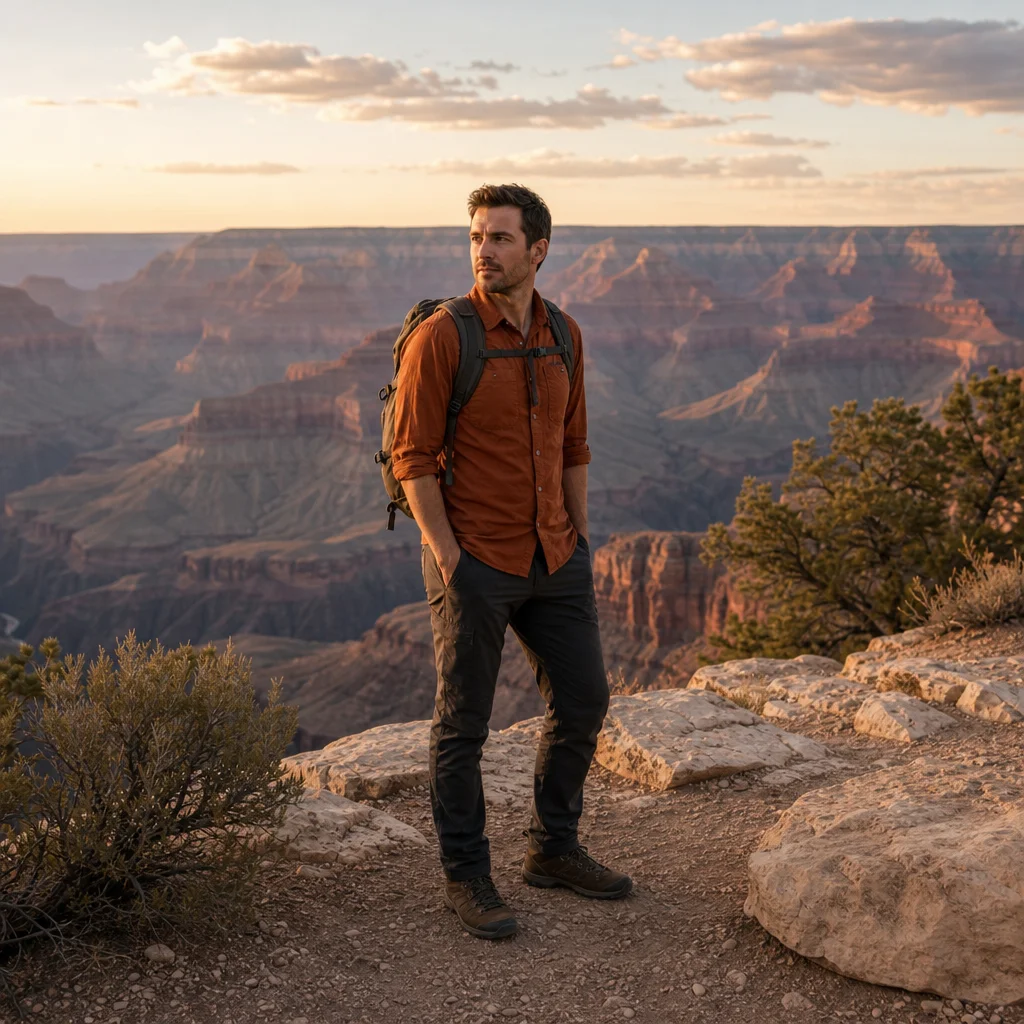
Water planning gets difficult when a familiar trail turns hotter, steeper, or slower than expected. A short loop in cool weather may need far less than a long exposed route, while an unreliable stream can make a lightweight plan unsafe. The right amount isn't a universal number; it’s a starting estimate adjusted for conditions and consequences.
For a beginner, the most useful approach is to estimate your expected consumption, add a reserve for delays, and then check whether reliable refills actually exist. You should also consider what happens if you drink more than expected, spill a bottle, take a wrong turn, or finish later than planned.
Start with time, not mileage
Mileage is a poor hydration measure by itself. A five-mile trail with steep climbing, loose footing, and full sun can take more effort—and more water—than a level eight-mile path through shade. Plan around the time you expect to be moving and the total time you could realistically spend outside.
A reasonable starting range for many day hikers is roughly 0.5 to 1 liter per hour during active travel. That is a planning range, not a prescription. You may need less in cool, easy conditions and more during heat, humidity, hard climbing, or a slow pace. Your own history matters: if you routinely finish hikes with a dry mouth and headache, your estimate may be too low; if you carry a large amount home every time, your pack may be heavier than necessary.
Use this simple first estimate:
Estimated drinking water = expected time moving × your usual hourly need
For example, if you expect five hours of movement and usually drink about 0.6 liters per hour, your initial estimate is 3 liters. That doesn't yet include a reserve, cooking water, or water needed for an overnight emergency.
Be honest about elapsed time. A route described as a “half-day hike” may take six or seven hours once you include breaks, navigation, photographs, difficult terrain, and the return to the trailhead. If the route is unfamiliar, build your water plan around a conservative time estimate rather than the fastest advertised completion time.
Adjust for conditions and effort
Temperature is only one part of the calculation. Direct sun, low humidity, wind, and sustained climbing can all increase fluid loss. Humidity may make sweat evaporate less efficiently, leaving you feeling overheated even when the air temperature seems moderate. Heavy clothing, a loaded pack, and a brisk pace also raise the demand.
Before leaving, look at:
- Forecast high and low temperatures
- Heat, humidity, and wind conditions
- The amount of shade on the route
- Elevation gain and steep sections
- Whether you’ll be exposed during the hottest part of the day
- Your pack weight and planned pace
- Your experience hiking in similar conditions
A cool, shaded trail may support the lower end of your normal range. An exposed route with repeated climbs may justify the higher end, plus a larger reserve. Don’t wait until you feel thirsty to decide how much water you need. Thirst is useful information, but it’s not a complete planning system, especially when you’re distracted, working hard, or already becoming overheated.
At the same time, forcing excessive water can create its own problem. Drinking far beyond thirst over a long period can dilute the body’s sodium concentration. You don’t need to turn a day hike into a complicated nutrition experiment, but you should avoid treating constant drinking as automatically safer. Drink regularly, respond to thirst, and consider food containing sodium during long or sweaty outings.
Separate drinking water from other water
Your total water load may include more than what you plan to drink. Count these separately:
- Drinking water: what you expect to consume while hiking
- Reserve water: extra for delays, navigation errors, or a slower return
- Cooking water: needed if you’re preparing a meal or hot drink
- Cleaning water: useful for rinsing hands or equipment where appropriate
- Emergency water: a deliberately protected amount for an unexpected problem
For a normal day hike, cooking and cleaning water may be zero. If you’re carrying an instant meal, however, its required volume can be significant. Check the meal instructions before leaving rather than assuming you can spare drinking water for cooking.
Your reserve should reflect the route’s consequences, not just a standard number. A short, well-marked loop near a road may need a modest buffer. A remote route with poor cell coverage, difficult navigation, or a long walk back to help deserves more. If you’re hiking alone, in severe weather, or on a route where a minor injury could create a long delay, increase your margin.
Treat refills as uncertain until proven reliable
A map symbol, old trip report, or trail description doesn’t guarantee that water will be available when you arrive. Streams can dry up, springs can be seasonal, pumps can be broken, and a water source that looks clean may still require treatment. A refill plan is only useful when you know the source is accessible, permitted, and dependable for your date and route.
Confirm your refill points: Before you leave, check the latest official trail or land-manager information for source status, seasonal reliability, access restrictions, treatment requirements, and any current closures. If a source is uncertain, plan to carry enough water to complete the route without it.
Never assume clear water is safe to drink. If you collect from a natural source, use an appropriate treatment method for the likely hazards and follow the equipment manufacturer’s instructions. Filters, purifiers, and chemical treatments have different limitations, and some don't address every type of contamination. Carry a method that matches the route and know how to use it before you need it.
A refill also costs time and effort. You may need to descend to a creek, wait for a pump, filter several liters, or walk farther than expected. Include that time in your schedule and keep enough water to reach the source safely. Don’t empty your last bottle on the assumption that the next refill is just around the corner.
Choose a carrying system you can monitor
You need to know how much water you have left without making the process awkward. Bottles are simple to measure and easy to reserve. A hydration reservoir makes frequent drinking convenient, but it can be harder to judge the remaining volume unless it has a visible level or you check it deliberately.
A practical setup often includes at least two separate containers. Keep some water in a bottle rather than placing everything in one reservoir. That gives you a backup if a hose leaks, a bladder punctures, or one container is dropped. It also makes it easier to protect your reserve from casual drinking.
Distribute the load so it stays comfortable and stable. Water is heavy: one liter weighs about one kilogram, or 2.2 pounds, before you add the container. Carrying an extra three liters means carrying roughly 6.6 additional pounds. That weight can slow you down, increase fatigue, and make a hot climb harder, so the solution to uncertainty shouldn't always be “bring everything.” A reliable refill and treatment system may reduce weight more effectively than guessing low and hoping for the best.
Mark or mentally separate your reserve. If you have four liters, don’t treat all four as available for the first half of the hike. Decide what amount must remain for the return or for an unexpected delay, then drink from the rest while checking your progress.
Recognize a short-water problem early
Running low is easier to manage when you notice it before the final bottle is empty. Warning signs can include an unusually dry mouth, headache, dizziness, weakness, nausea, confusion, or a sharp drop in your normal pace. Heat illness can develop alongside dehydration, particularly during hard effort and high temperatures.
If you’re becoming unwell, stop exerting yourself. Move into shade or another cooler location, loosen excess clothing, and assess whether you can safely continue. Drink gradually if you have water, and use an appropriate electrolyte-containing food or drink if that’s part of your normal plan. Don’t keep pushing toward the next landmark simply because it’s close.
Turn around while you still have enough water to return, especially if the trail ahead is exposed, the refill is uncertain, or your symptoms are worsening. If someone is confused, loses coordination, faints, has severe symptoms, or can't safely walk, treat the situation as an emergency and seek help through the available local emergency system. Don’t leave an impaired hiker alone to fetch water unless you have a coordinated, safe plan.
If your water is running low but you feel well, shorten the route and conserve effort. Slow down, use shade, reduce unnecessary stops in exposed areas, and avoid eating foods that are difficult to swallow without enough water. Tell your hiking partner early; quietly rationing while others assume the plan is normal can create a dangerous delay.
Prevent carrying far too much
Overpacking water usually comes from treating the largest possible demand as the expected demand. Instead, improve the estimate after each hike. Record the route, duration, weather, starting volume, ending volume, refill amounts, and how you felt. Your next plan can use observed consumption rather than a generic rule.
If you consistently return with most of your water in cool conditions, you may be able to reduce the carried amount—but keep a reserve appropriate to the route. If you finish empty, feel unwell, or use a planned refill earlier than expected, increase your starting amount or improve your refill plan. The goal isn't to finish with no water. It’s to finish with a sensible margin without carrying an unnecessary burden.
Field-ready water check
Before starting, confirm these points:
- You know the expected moving time and a realistic maximum time.
- You’ve adjusted your estimate for heat, sun, humidity, climbing, and pack weight.
- You’ve separated drinking water from cooking and emergency reserves.
- Any refill source is current, accessible, permitted, and treatable.
- You can carry and monitor the amount comfortably.
- You have a backup container or a way to handle a leaking primary system.
- You know the symptoms that mean slowing down, turning around, or seeking help.
If the route is remote, exposed, unusually hot, or dependent on an uncertain refill, the go-or-no-go decision should be simple: carry enough to complete the hike without that source, or choose a route with a more dependable water plan.