What to Do With Toilet Paper and Other Small Trail Waste
Wind, rain, poor soil, and limited facilities can turn a small hygiene mistake into a lasting trail problem. I’ll explain how to pack, contain, and dispose of toilet paper and other small waste with sound judgment.
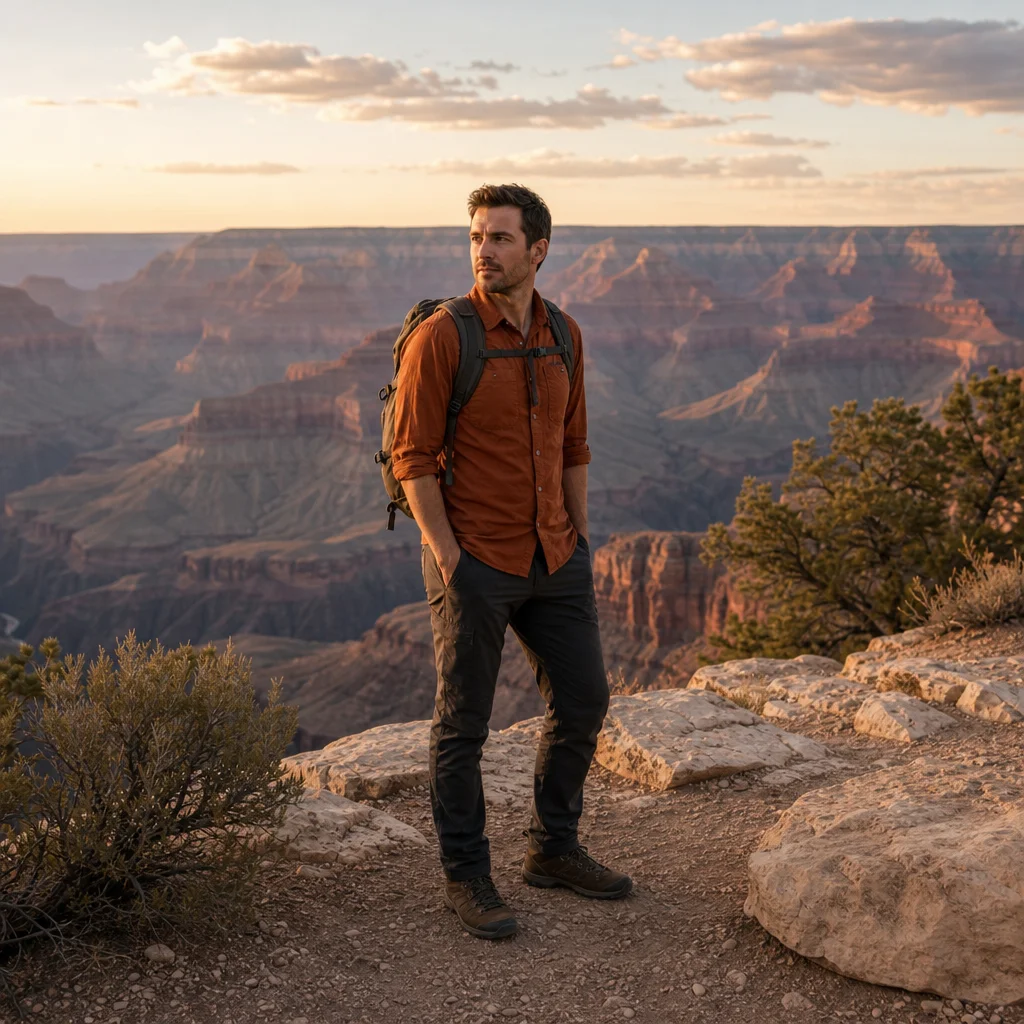
When the nearest restroom is miles away, a few squares of toilet paper can become a stewardship problem. Wind can lift them from the ground, rain can spread them downhill, and animals may pull waste from a shallow hole or an unsealed bag. The same is true of tissues, wipes, menstrual products, medication wrappers, bandages, and food packaging fragments.
The reliable approach is simple: plan for personal waste before you need it, carry a container that won't leak or tear, and treat every small item as pack-out waste unless the land manager clearly allows another method.
Prepare a small waste system
You don't need a complicated kit. You need supplies that work when your hands are cold, visibility is poor, or the trailhead facilities are closed.
Pack:
- Toilet paper or a small unscented tissue supply in a waterproof bag
- A sturdy sealable bag for used paper and hygiene products
- A second opaque bag or odor-resistant pouch for privacy and containment
- Hand sanitizer or a small amount of biodegradable soap, where washing is permitted
- A small amount of water for cleaning, if your route and conditions make that useful
- A few spare sealable bags for accidental litter, wet items, or a companion who is unprepared
A two-bag system is usually enough. Put used material in the inner bag, squeeze out excess air without forcing contents against the seal, and close it. Place that bag inside the outer bag. Keep the waste pouch separate from food, water treatment equipment, and clothing.
Don't rely on a thin produce bag, an unsealed sandwich bag, or the original toilet-paper wrapper. A waste bag should remain closed if it is dropped, compressed in a pack, or exposed to rain. If you use a reusable odor-resistant pouch, reserve it for this purpose and clean it according to the manufacturer's directions.
Choose supplies that leave less behind
Carry plain toilet paper rather than heavily scented or lotion-coated products when possible. Scented materials can be more noticeable to animals, and extra treatments don't improve their usefulness outdoors.
Avoid flushing wipes, even when a package describes them as flushable. In the backcountry, they break down slowly and are especially easy to find after burial. Put wipes in your waste bag. The same rule applies to paper towels, facial tissues, sanitary products, and cotton swabs.
If you use a bidet bottle or water for cleaning, plan for the extra water and keep the nozzle from contacting contaminated surfaces. Hand sanitizer doesn't remove all kinds of dirt, so use soap and water when a suitable washing location is available. Keep wash water away from camps, cooking areas, and natural water sources.
Decide what belongs in your pack
For toilet paper and personal hygiene products, packing them out is the dependable default. This avoids the problems caused by uncertain soil, heavy rain, snow cover, wildlife, high use, and rules that prohibit burial.
Pack out anything you brought in, including items that seem too small to matter:
- Toilet paper, tissues, and wipes
- Menstrual products and their wrappers
- Diapers and incontinence products
- Cotton swabs, floss, and dental picks
- Bandages, blister coverings, and medical tape backings
- Contact-lens packaging and cleaning materials
- Medication packets and small foil wrappers
- Hair ties, rubber bands, and pieces of gear repair material
- Food crumbs, tea bags, twist ties, and torn packaging
A useful test is whether the item is manufactured, scented, colored, waterproof, or made to retain its shape. If any answer is yes, pack it out. Natural-looking materials can still be inappropriate to leave behind if they contain chemicals, fibers, dyes, or other additives.
Don't burn toilet paper or small waste in a campfire. Burning can leave partially burned scraps, create smoke, release unpleasant compounds, and become unsafe in dry or windy conditions. It also doesn't dispose of foil, plastic, wipes, or synthetic fabric reliably.
Check the local waste rule before you go: Confirm the land manager’s current instructions for toilet paper, human-waste systems, menstrual products, and disposal at the trailhead. Requirements can differ between parks, forests, wilderness areas, private lands, and international destinations, and some areas require approved waste bags or prohibit burial entirely.
Handle a bathroom stop discreetly
Choose a location before urgency makes the decision for you. Move well away from camps, cooking areas, trails, water, and places where people are likely to rest. Follow posted distances and local rules rather than relying on a general backcountry habit.
Look for a spot that is stable and unlikely to erode. Avoid loose slopes, drainage channels, exposed roots, fragile vegetation, animal burrows, and areas with visible signs of heavy use. In snow, frozen ground, rock, or crowded terrain, burial may be ineffective or prohibited; pack-out systems are the safer choice.
For urination, select durable ground when possible. Avoid plants that people may brush against, popular boulders, and places where animals or insects are likely to be attracted. In dry environments, concentrated urine can leave odor and discoloration. Moving farther from camp and water helps reduce repeated impacts in one place.
For solid human waste, follow the specific method required for the area. Some places allow a small, deep hole in suitable soil; others require a pack-out bag, provide toilets, or impose stricter rules because of fragile terrain, contamination risk, or high use. Toilet paper should still go in your waste bag unless the responsible land manager explicitly permits burial and the local conditions support it.
Use the smallest practical amount of toilet paper and keep the used paper directly over or inside the waste bag rather than setting it on the ground. If you are using a hole where permitted, keep the bag close enough to prevent dropped paper from blowing away. Finish by checking the area from several angles. A white scrap, wrapper, or tissue that is obvious to you will be obvious to the next hiker.
Deal with accidents immediately
Small waste often becomes litter through a sequence of minor oversights: a wrapper goes into an open hip-belt pocket, a used tissue is placed on a rock while you adjust clothing, or a waste bag is tucked under gear and tears. Slow down when handling these items.
If a bag leaks, don't rinse it beside a stream. Put the leaking bag inside a second bag, wipe contaminated surfaces with disposable material that you also pack out, and clean your hands. If waste contacts clothing or equipment, isolate the item in a sealed bag until it can be washed properly.
If wind takes a piece of paper, follow it only when doing so is safe and doesn't damage vegetation or put you near a steep edge, road, or hazardous water. Use trekking poles or another clean tool to retrieve it when appropriate. Don't risk a fall for a scrap of litter; note its location and report it to the land manager if you can't safely recover it.
When you find someone else’s small waste and can safely carry it, place it in a separate bag rather than mixing it with an open food pouch or clean gear. You aren't required to handle unknown bodily waste. Use gloves or a tool if available, and avoid direct contact with sharp objects, needles, or anything that could expose you to injury.
Keep waste contained during the hike
Store the sealed waste pouch where you can reach it without unpacking your entire bag, but not where it can rub against food or leak onto sleeping equipment. An outside pocket can work only if the pouch is truly sealed and protected from punctures. In hot weather, keep odors and contents out of direct sun when possible.
At camp, don't leave the pouch beside a tent, under a rock, or in a tree. Those locations aren't disposal systems and may invite wildlife, wind, or accidental disturbance. Keep it sealed with the rest of your secured supplies, following the area's food and scented-item storage requirements.
Before leaving camp, perform a deliberate sweep. Check around the cooking area, sleeping area, bathroom location, and places where you changed clothing or treated an injury. Look for clear plastic, torn tape backing, tissue corners, hair ties, and bits of wrapper. Small litter is easiest to miss when it matches leaves, gravel, or snow.
Dispose of it at the end of the trip
Carry the sealed waste until you reach an appropriate disposal point. Use a restroom trash receptacle, campground facility, or household waste system only when it is intended for that material. Don't place personal waste in recycling, compost, pit toilets, or trailhead bins unless the facility specifically accepts it.
Some trailheads have no bins or have signs directing visitors to pack everything out. A full or overflowing receptacle isn't permission to leave a bag beside it. Take the waste to the next suitable facility, and keep it sealed during transport.
If you use a reusable outer pouch, clean and dry it before storing it. Replace any bag with a compromised seal, pinhole, or persistent odor. A waste system that is unpleasant to maintain is one you are less likely to use correctly, so choose equipment that makes the right action easy.
A field-ready decision check
Before setting out, ask:
- Do you know whether this route requires pack-out waste, permits burial, or provides toilets?
- Do you have enough paper, sealable bags, and hand-cleaning supplies for the group and the trip length?
- Can the waste container survive rain, compression, and a sharp edge inside your pack?
- Have you planned where to go if the ground is frozen, rocky, snowy, saturated, or crowded?
- Will every wipe, wrapper, hygiene product, and accidental scrap return with you?
If you can't answer those questions confidently, carry the pack-out system and use it. The best waste procedure is the one that remains practical when conditions change—and leaves the next person with nothing to find.