What to Do When Your Group Is Caught After Dark
I’ll explain how to stop a hike from becoming a night-navigation emergency: account for everyone, stabilize the group, reassess the route, conserve light and battery, and communicate a realistic delayed-return plan.
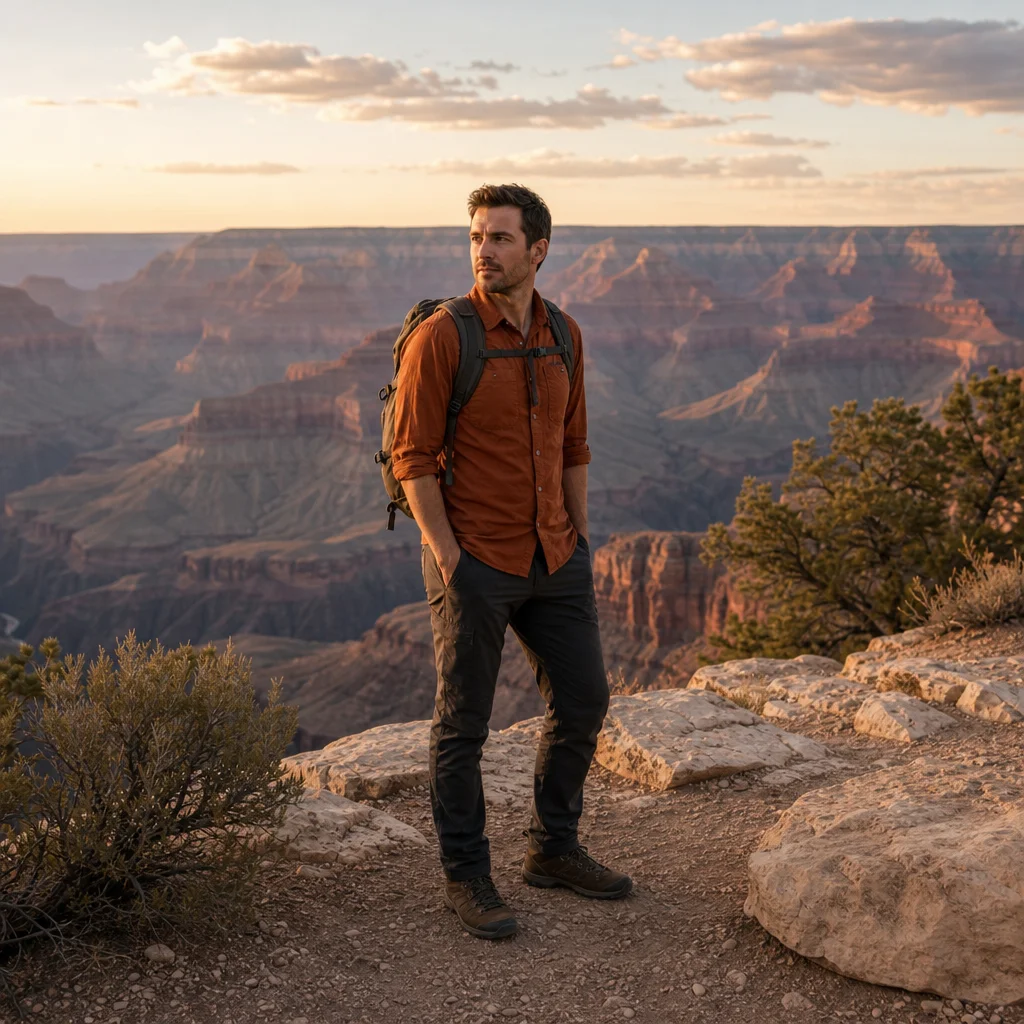
Darkness changes an ordinary delay into a group-management problem. Landmarks disappear, footing becomes harder to judge, temperatures may drop quickly, and a tired group can make poor decisions under pressure. Your first task isn’t to cover more ground—it’s to stop the situation from becoming less controlled.
Stop and account for everyone
Call the group to a complete stop in a place that is as stable and protected as you can find. Don’t let people spread out while someone tries to determine what happened. If the trail is narrow, exposed, or close to moving water, move only as far as necessary to reach a safer waiting point, keeping everyone together.
A group leader should make a calm, direct announcement:
“We’re stopping here. Stay together, keep your lights off until we need them, and wait for a head count.”
Count people by name rather than relying on a quick visual estimate. Ask each person to answer. Confirm who is present, who is injured, and who may be missing or separated. If someone is absent, ask when and where they were last seen, what they were wearing, whether they had a light, and which direction they were traveling. Don't send several people searching in the dark. Keep the main group together while one capable person, if appropriate and safe, checks only the immediate area with a light and a clear time limit.
If you can’t account for someone promptly, treat that as a missing-person problem rather than an inconvenience. Note the last known location and time, preserve your battery, and contact emergency services or the relevant local authority when the circumstances justify it.
Check immediate hazards and condition
Before deciding whether to move, check the group and the ground around you. Look for:
- A fall hazard, loose footing, steep drop, unstable rock, or fast water nearby
- Signs of injury, cold stress, overheating, confusion, or exhaustion
- Wet clothing, inadequate insulation, or someone without a working light
- A participant who is frightened, reluctant to speak, or struggling to keep up
- Weather that is worsening rather than merely inconvenient
Use a buddy check so no one is overlooked. Ask each person whether they’re hurt, cold, dizzy, confused, or able to continue. A hiker may minimize a problem because they feel responsible for delaying the group, so look for shivering, stumbling, unusual silence, poor coordination, or repeated questions.
If someone has a serious injury, altered mental state, breathing difficulty, severe allergic reaction, or signs of hypothermia or heat illness, prioritize emergency communication and basic care over route completion. Keep the person insulated from the ground and weather, and avoid moving them unless remaining in place creates a greater immediate danger.
Put light and communication under control
Have everyone use a headlamp or flashlight rather than a phone held in one hand. Headlamps leave both hands available for balance and reduce the chance of dropping a phone. Ask the group to use the lowest useful brightness and to avoid shining lights directly into one another’s eyes.
Inventory the group’s power before choosing a plan. Identify:
- How many working lights you have
- Which lights have spare batteries or a charged backup
- How much phone battery remains
- Whether anyone has a satellite communicator, personal locator beacon, radio, or whistle
- Whether the group can see the trail clearly enough to move without gaps
Keep a backup light reserved for navigation, emergencies, or a person whose primary light fails. A phone flashlight is useful as a short-term backup, but it may drain the battery you need for maps or an emergency call.
Set a simple movement rule if you do travel: nobody walks alone, the slowest person sets the pace, and the last person confirms that nobody has fallen behind. Use verbal checks at turns and difficult sections. In dense vegetation, fog, or winding terrain, visual contact may disappear even when people are close.
Reassess the route instead of following the original plan
Find out exactly where you are before deciding that the group should continue. Compare the last confirmed landmark with your map, track, compass, or other navigation tools. Don’t treat a blue dot on a phone as proof of your position; poor reception, battery limits, map errors, and user error can all mislead you.
Ask four questions:
- Do you know your location well enough to describe it to rescuers?
- Is the remaining route familiar, marked, and reasonably safe in darkness?
- Does the group have enough light, warmth, water, food, and battery for the expected time?
- Is there a safer known destination nearby, such as a trailhead, shelter, campground, or broad maintained path?
The original route may no longer be the safest route. A short distance on a steep, technical, exposed, or poorly marked trail can be more hazardous than waiting in a protected location. Conversely, if you’re close to a known trailhead and the route is wide, stable, and unambiguous, a controlled return may be reasonable.
Don’t descend an unfamiliar shortcut simply because it appears to point toward a road or lights. Darkness hides cliffs, water crossings, private property, unstable slopes, and dead ends. Avoid route-finding by guesswork.
Choose between moving and staying
A group should generally stay put when its location is uncertain, the terrain is hazardous, a person is injured or deteriorating, lights are failing, or the weather makes movement more dangerous. Staying put doesn’t mean sitting passively. Choose the safest available position, get people insulated, organize the group, and communicate your situation.
Moving may be reasonable when the route is clearly known, the footing is manageable, the group is warm and capable, and you have a specific, safer destination rather than a vague hope of reaching one. Establish a turnaround point before you start. If conditions worsen, a light fails, someone becomes confused, or the trail stops being obvious, return to the last confirmed safe location or stop again.
If you turn around, don’t assume the return is automatically easier. The group may be more tired, and downhill travel can increase slipping risk. Keep the pace deliberate. On steep ground, increase spacing enough to avoid knocking rocks onto others while maintaining voice or visual contact.
If you stay, improve your position. Move away from exposed ridgelines, avalanche-prone slopes, flood channels, unstable banks, and the base of loose cliffs. Don’t shelter directly under dead branches or in a depression that could collect water. Use extra layers, rain gear, an emergency bivy, or a group shelter if available. Keep people fed and hydrated in small amounts, and monitor anyone who is wet, cold, injured, or unusually tired.
Communicate a delayed return clearly
Once the group is stable, tell someone what has changed. Use the most reliable available method, beginning with a call if an emergency or urgent welfare concern exists. If a call won’t connect, send a concise text or use a satellite device according to its instructions. Include:
- Your group’s current location or best location estimate
- The number of people and any injuries or medical concerns
- Your last known route and intended destination
- The reason for the delay
- Whether you’re staying put or moving, and toward what destination
- Your next check-in time
- The point at which you want the recipient to contact authorities
Avoid saying that you’ll be back “soon” when you don’t know. Give a conservative estimate and update it if the plan changes. Ask the recipient to confirm that they received the message. If you have no signal, move only as far as needed to try a safer communication position; don’t scatter the group to search for reception.
Confirm your local escalation plan: Before a hike, check the emergency number, park or land-manager contact, available rescue options, and any rules for overnight travel in the area. Save those details offline, because coverage and agency procedures vary by location.
If the group is overdue and you can’t make contact, don’t wait for embarrassment to pass before seeking help. A delayed-return message should give your contact enough information to recognize when the situation has become an emergency. If you do reach rescuers, follow their instructions and keep your phone or communicator available for updates.
Prevent a second problem
Once the immediate decision is made, assign jobs. One person manages navigation, another tracks people and condition, another handles communication, and another manages light or shared equipment. In a small group, one person may hold several roles, but say out loud who is responsible for what.
Write down or record the key facts while they’re fresh: time stopped, location, weather, route decision, head count, injuries, messages sent, and battery status. This information helps if the group needs to explain its location or retrace decisions later.
Keep the group together through every transition. Don’t allow an anxious hiker to rush ahead, and don’t leave a slower hiker at the rear without a buddy. If someone must use the bathroom or step away briefly, establish a clear return point and keep the group stationary.
Field-ready decision threshold
Before moving after dark, you should be able to answer “yes” to all of these:
- Everyone is accounted for and capable of the proposed movement.
- No one has an untreated serious injury or worsening medical problem.
- You know your location and can identify the route without guessing.
- The route is suitable for nighttime travel in the current conditions.
- You have enough working light, warmth, water, and battery.
- Someone outside the group knows your revised plan and check-in time.
- You have a clear stopping point if conditions deteriorate.
If any answer is “no,” stop treating the hike as a normal return trip. Stabilize the group, improve shelter and communication, and choose the option that reduces uncertainty. A late arrival is inconvenient. A separated, injured, or unaccounted-for hiker is an emergency.