A Practical Plan for Hiking With a Slow or Tired Group Member
I’ll compare the main ways to manage a slow or tired hiker—from slowing the whole group to splitting responsibilities—so you can protect dignity, conserve energy, share essential gear, and choose a safe endpoint everyone can reach.
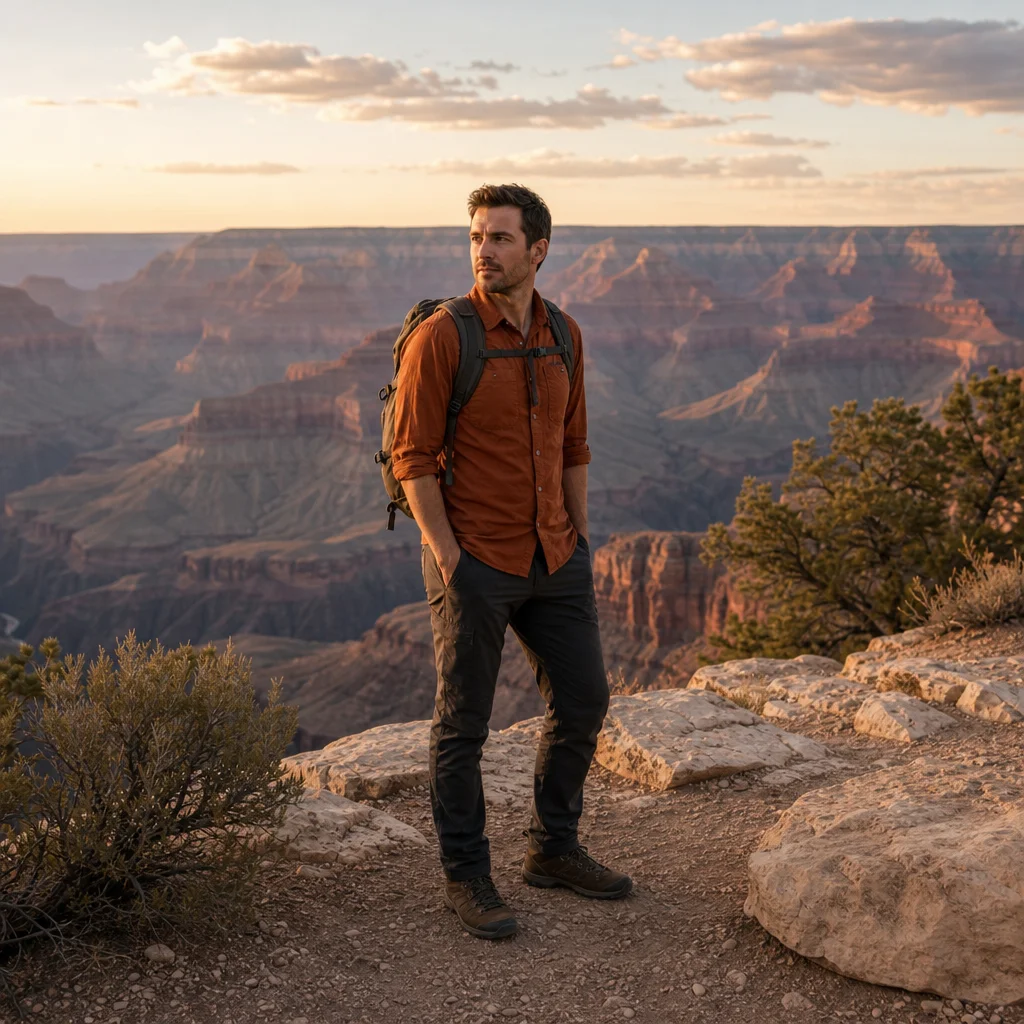
When one person starts falling behind, the group’s original plan stops being the right plan. The useful question isn’t how to make that hiker keep up; it’s how to maintain a dependable system as conditions, energy, and daylight change.
A slow pace may be normal for a child, a first-time hiker, or someone carrying more weight. Tiredness can also be the first visible sign of overheating, dehydration, low blood sugar, injury, or a pace that was too ambitious. Treat the change as information, not an inconvenience.
Prepare a plan that can absorb a slow day
Before setting out, make the group’s fallback decisions explicit. Agree on:
- The planned turnaround time
- The latest acceptable arrival time at the trailhead or campsite
- Several regrouping points
- Who will stay with the slowest person
- Where the group can shorten the route
- What conditions would end the outing early
Avoid making the slowest person announce that they’re the problem. Frame the plan as a normal group procedure: everyone moves together, regrouping is expected, and the route can change without blame.
Choose the right pacing model
You’ll usually face three options:
- Keep the group together at the slowest sustainable pace. This is the simplest and most reliable choice for families, unfamiliar hikers, and routes with navigation or exposure concerns.
- Use controlled regrouping. Faster hikers move only to the next agreed landmark, then wait in a visible, sheltered place. This can work on straightforward trails when no one is at risk of getting lost.
- Split the group temporarily. One capable adult continues with stronger hikers while another stays with the tired person. Use this only when the route, communication, navigation, and return plan are clear—and never leave a vulnerable hiker alone.
In most situations, the first option is the best default. Regrouping and splitting introduce maintenance problems: people lose track of one another, the front group gets cold while waiting, and the tired hiker may feel pressured to close a gap. The more complex the trail or the less experienced the group, the more valuable a single, intact group becomes.
Notice the early signs
A reliable leader watches changes in behavior, not just distance. Early warnings include:
- A noticeable drop in pace or repeated stops
- Short, clipped answers or unusual irritability
- Stumbling, poor foot placement, or difficulty with simple obstacles
- Confusion about direction or repeated questions
- Shivering, unusual sweating, flushed or pale skin, or a headache
- Trouble eating, drinking, or managing clothing and equipment
- A person insisting they’re fine while their movement says otherwise
Ask specific, low-pressure questions: “How are your legs feeling?” “When did you last drink?” “Do you feel steady on this terrain?” A yes-or-no question such as “Are you okay?” often produces an automatic answer.
Pull the group together at the first meaningful change. Don’t wait for the person to become dramatically slower. A five-minute adjustment early in the route is easier to manage than an exhausted hiker several miles from the trailhead.
Check the conditions before you commit farther: Compare the group’s current pace, remaining daylight, weather, water, and distance to the next exit with the latest local forecast, trail notice, and emergency guidance. Conditions and access rules can change, especially on remote or seasonal routes.
Make the first adjustment small and specific
Stop in a safe location rather than in the middle of a technical obstacle, narrow ledge, road crossing, or exposed slope. Ask the tired hiker to sit or stand comfortably, loosen unnecessary layers, and take a few calm minutes to assess the problem.
Then make one change at a time:
- Reduce the pace before reducing the route
- Shorten the next segment to a clear regrouping point
- Move heavy shared items to a stronger, comfortable carrier
- Add a layer or remove one if temperature is the issue
- Offer food and water if the person can safely eat and drink
- Adjust pack straps, footwear, or poles if equipment is contributing
Don’t automatically take every item from the tired hiker. A lighter pack may help, but carrying someone’s entire load can create a second exhausted person. Move only essential weight, check that the new carrier remains balanced, and revisit the arrangement after a short distance.
Food and water should be offered without treating them as a cure-all. A person who is confused, vomiting, faint, or having trouble swallowing shouldn’t be pushed to eat or drink. Those signs require a more serious assessment and may require emergency assistance.
Communicate without embarrassment
Use neutral language that keeps the problem practical. “We’re adjusting the plan” is better than “You’re holding us up.” Speak to the person directly, not over them to the rest of the group.
Give choices where choices are real:
- “Would you rather rest here or continue to the shaded junction?”
- “Should I carry the stove or the food?”
- “Do you want to turn around now, or reassess at the next marker?”
Don’t offer a choice when the safety decision is already clear. If someone is confused, unsteady, severely ill, or unable to continue, the group needs a firm response rather than a vote.
Set a communication rhythm for the rest of the outing. At every regrouping point, confirm the slow hiker’s condition, the group’s location, the remaining route, and the next decision point. This prevents the same conversation from becoming a source of frustration and keeps quieter family members from disappearing into the background.
Maintain the group as conditions change
A sustainable pace is one the slowest person can hold without repeated recovery stops. If the group needs a long break after every short segment, the pace is still too fast or the route is no longer appropriate.
Watch the environment as closely as the hiker. Heat, humidity, wind, rain, darkness, snow, altitude, rough footing, and stream crossings can turn manageable fatigue into a serious problem. A person who was comfortable on level ground may deteriorate quickly on a steep or exposed section.
Use a simple progression:
- Observe: What changed, and when?
- Stabilize: Stop somewhere safe, provide appropriate rest, and check basic needs.
- Reduce demand: Slow down, redistribute limited gear, or choose easier terrain.
- Set a threshold: Decide when you’ll turn around, stop for the day, or seek help.
- Reassess: Confirm that the adjustment is working before continuing.
If the person improves promptly and moves steadily, continue conservatively. Improvement doesn’t restore the original schedule. Keep the shorter route, slower pace, and earlier turnaround time.
Choose the endpoint before exhaustion chooses it
The safest endpoint may be the next trail junction, a sheltered rest area, the campsite, the trailhead, or simply a place where the group can wait for assistance. It doesn’t have to be the planned destination.
Turn around or shorten the route when:
- The slow hiker can't maintain a steady pace after rest and adjustments
- The group is losing daylight or a weather window
- The return route will be harder than the route ahead
- Water, food, warmth, or communication capacity is becoming inadequate
- A member is stumbling, confused, faint, unusually cold, or overheating
- Continuing would require a risky crossing, scramble, descent, or exposed section
- The group can no longer stay together safely
A retreat is especially important when the tired person is worsening rather than merely moving slowly. Don’t use the destination as evidence that the plan is still sound. The route back is part of the outing and may require more energy than the route in.
If there are signs of a medical emergency, protect the person from further exposure, provide only appropriate basic care, and contact local emergency services or the applicable rescue organization. Give rescuers your location, the person’s condition, the group size, and any immediate hazards. Keep the group together unless a clear emergency plan requires otherwise.
Make the system easier to use next time
After the hike, review the process without assigning fault. Ask what caused the slowdown, which adjustment helped, and where the plan became difficult to maintain. A tired group member may have needed a shorter route, better pacing, different footwear, more food, a lighter pack, or simply a clear expectation that stopping early was acceptable.
Update the group’s shared equipment and habits. Keep communication devices charged, carry a basic first-aid kit, know how to use the navigation tools you bring, and make sure everyone understands the route’s exit points. Equipment only improves reliability when it is accessible, familiar, and maintained.
For the next outing, choose a route with more frequent exits and less commitment. Build success around a pace the whole group can sustain, not around the strongest hiker’s capacity.
Field-ready decision checklist
Before continuing, confirm that:
- The tired hiker is alert, steady, and able to communicate clearly
- The group has enough daylight, water, food, warmth, and navigation capacity
- You know the next safe regrouping point and the route back
- The slowest person can maintain the adjusted pace
- The group will remain together or has a genuinely safe split plan
- Everyone understands the turnaround or stopping threshold
If any answer is no, shorten the route, turn around, or seek help. A dependable group plan isn't the one that reaches the farthest point; it’s the one that keeps every member capable of making the next safe decision.