Planning Water Refills Without Depending on an Unverified Spring
I’ll clarify how to plan dependable water carries when a spring’s flow, quality, or access is uncertain. You’ll learn how to make an unverified source a useful bonus without letting it determine whether your route is safe or feasible.
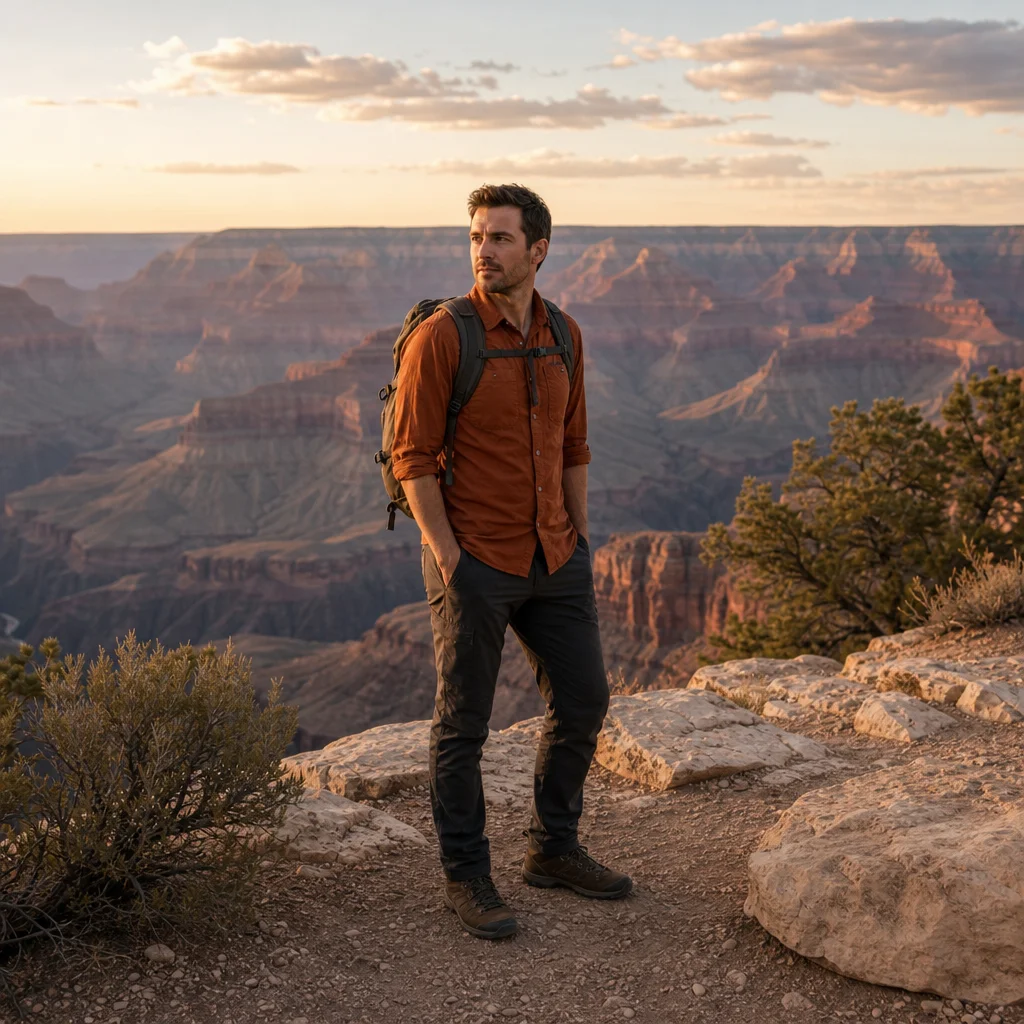
Dry mountain routes can turn a short stretch on the map into a long water carry. A spring marked on an old guidebook, map, or trip report may be dry, contaminated, inaccessible, or flowing far below the trail. The key planning decision is simple: your route must remain viable if that source provides nothing.
Treat uncertain water as optional capacity, not required infrastructure. Build your supply around confirmed sources, carry enough to reach the next dependable option, and use the spring only after you’ve checked its current condition and access.
Start with the water plan, not the spring
Before choosing a refill point, divide the route into sections between sources. For each section, identify:
- The last source you can reasonably trust
- The next source that has current, credible information
- The distance and elevation between them
- The time you expect to spend on that section
- A dry-source backup if the next source fails
- The amount of water you can carry comfortably and safely
A source is “dependable” only in relation to the conditions and information available. A developed campground spigot may be reliable when facilities are open but useless after seasonal closure. A perennial creek may flow year-round in a wet year and disappear during a prolonged drought. A spring described as “usually running” still deserves a backup plan in a dry, hot region.
Think in terms of known water, uncertain water, and no water. Your plan should work in the third category. The uncertain source can reduce the load, but it shouldn’t be the reason you attempt the section.
Estimate the carry conservatively
Your required volume depends on temperature, sun exposure, altitude, exertion, pace, body size, food, and the availability of shade. There is no universal amount that fits every hiker or route. Instead, estimate your needs from comparable outings and then adjust for the specific conditions ahead.
Ask:
- How much do you expect to drink during the section?
- How much water will you need for cooking?
- Will you need water for an overnight stay, morning coffee, or breakfast?
- How much reserve is appropriate if you’re delayed, miss a turn, or move more slowly than planned?
- Can you physically carry the total without compromising balance, pace, or judgment?
In dry, exposed terrain, delays matter. A slow ascent, a navigation error, or a hotter-than-expected afternoon can add hours to the carry. Your reserve should reflect the consequences of being wrong, not just the distance shown on the route description.
If the full amount exceeds your carrying capacity, change the plan rather than quietly assuming the spring will solve it. Shorten the route, add a confirmed refill, cache water only where permitted and practical, use a supported approach, or choose a different itinerary.
Investigate the source before you leave
A map symbol is a lead, not proof. Information about water can be old, seasonal, imprecise, or based on a single unusually wet year. Look for several recent and independent indications of the source’s status.
Useful questions include:
- When was the source last observed flowing?
- Was the observation made during a season similar to your trip?
- Did the report describe a trickle, pool, flowing stream, or dependable pipe?
- Was the source easy to reach from the trail, or did it require a steep side trip?
- Did the person report water quality, animal activity, or signs of contamination?
- Has there been recent drought, wildfire, heat, flooding, or trail rerouting?
- Is access allowed, or is the source on private, closed, or restricted land?
Give more weight to recent reports from credible land managers and current local conditions than to old route descriptions. Recent hiker reports can add useful detail, but they are still individual observations. A report that says “water present” may mean a shallow puddle that is difficult to collect, not a source suitable for refilling several liters.
Confirm the source before you count it: Check current land-manager notices, closures, seasonal operating information, and recent local conditions for the exact spring or water system. Confirm that access is legal and that the source is actually available during your dates; if you can’t verify it, plan as though it’s dry.
Water presence and water safety are separate questions. Clear water can carry microorganisms, and a source may be affected by livestock, wildlife, upstream camps, mining, wildfire debris, or other contamination. Use an appropriate treatment method for the conditions, and follow current public-health or land-manager guidance when a warning exists. A filter, purifier, chemical treatment, or boiling method may have different limitations, so understand what your system does and doesn't remove before the trip.
Pack for the dry-source scenario
Set your capacity according to the most demanding realistic section, not the shortest distance between optimistic map symbols. Carry containers that let you transport the required volume, including an empty or collapsible container if you’ll need extra capacity only after a refill.
Your water system should include:
- Enough containers for the planned dry carry
- A treatment method suited to the source and your group
- A backup treatment or a way to repair the primary system when appropriate
- A scoop or collection container for shallow pools
- A way to keep untreated and treated water separate
- A simple method for tracking how much water remains
Test the system at home while wearing the pack you’ll use. A container that fits a bottle pocket when empty may become awkward when full. A filter that works well from a deep stream may be frustrating at a muddy seep. Practice collecting and treating a small volume without spilling half of it on the ground.
Avoid planning around a treatment method that depends on the source being clear and deep if the likely alternative is a shallow, silty puddle. Pre-filtering through a clean cloth or allowing sediment to settle may help with some sources, but it doesn’t make contaminated water safe by itself. Treat the water using equipment and procedures appropriate to the hazard.
Observe the route as you approach the source
A spring should earn its place in your plan when you reach it. Slow down and inspect the area before filling containers.
Look for:
- A dry channel, cracked mud, or vegetation showing prolonged lack of flow
- Animal tracks, droppings, carcasses, or concentrated insect activity
- Fuel, chemical, sewage, or unusual mineral odors
- Cloudiness, surface film, unusual color, or debris
- Signs that hikers have disturbed the area or created an informal path
- A source that requires unsafe scrambling, exposure, or a long descent
- Recent signs of flooding or unstable ground
Don’t confuse a damp patch with a usable refill. A seep may produce water slowly enough that collecting a meaningful amount takes an hour. A pool can look full but be too shallow to reach with your bottle or scoop. If the water is visibly questionable, treat it as unavailable unless you have a suitable way to collect and purify it—and even then, consider whether the extra time and risk are worthwhile.
The approach itself matters. A source below the trail may cost more water through heat and exertion than it provides. A steep side trip becomes a bigger problem if you’re tired, carrying a full pack, or traveling with someone who can’t safely make the descent. Water isn't a good reason to accept a hazardous scramble when you have another option.
Decide whether to refill, continue, or turn around
Use a simple decision sequence rather than making the choice from optimism or thirst alone.
If the source is flowing and accessible
Check the area, collect only what you need, and treat it before drinking unless the source is specifically managed and confirmed potable. Keep enough water to reach the next dependable point. Don’t empty your reserve simply because the spring is running; conditions can change farther along the route.
If the source is present but slow, questionable, or difficult
Compare the water you can realistically collect with the time, energy, and risk required. A tiny flow may be useful for topping off, but it may not justify a long detour. If collection will leave you short for the next section, the source hasn’t solved the planning problem.
If the source is dry or inaccessible
Use the dry-source plan immediately. Check your remaining volume, the distance to the next confirmed option, daylight, weather, and your group’s condition. If the numbers no longer work, stop advancing toward a more committed section. Turn around, shorten the route, or move to a confirmed source while you still have a margin.
If you’re already running low
Don’t wait until the last bottle is empty to make a decision. Early signs such as headache, unusual fatigue, irritability, dizziness, nausea, or reduced urination can indicate that the situation is becoming serious, though they can have other causes as well. Reduce exertion, seek shade, reassess the route, and use your emergency plan. If someone is confused, fainting, unable to drink, or rapidly worsening, treat it as an emergency and seek help.
Plan for changing conditions
Water planning should include a trigger for revising the itinerary. Set that trigger before you’re tired. For example, you might decide that a source being dry, a heat advisory, a closure, or a delayed start automatically removes the optional side trip and shortens the day.
Recheck conditions close to departure, especially in seasonal-water regions. Look for current information about fire restrictions, access, weather, trail closures, source contamination, and facility operations. Regulations and local conditions can change, so follow the current requirements for the specific land unit and route.
At the trailhead, compare your actual start time and water load with the plan. A late departure can turn a manageable carry into a hot afternoon crossing. If the forecast is substantially warmer, the route is slower than expected, or a member of the group is struggling, adjust early. The best refill strategy is the one that leaves you with choices.
Field-ready water checklist
Before leaving, confirm:
- The route works if every uncertain source is dry.
- Your containers hold the required carry plus an appropriate reserve.
- You’ve included cooking and overnight needs where relevant.
- Your treatment method matches the sources you may encounter.
- Current access, closure, seasonal, and contamination information has been checked.
- You know which sources are confirmed, uncertain, and unavailable.
- You’ve set a turnaround or route-change threshold before starting.
- Someone has your itinerary and the locations of your planned water points.
If the plan depends on a spring you can’t verify, the plan isn’t finished. Either carry enough to bypass it or choose a route with a dependable alternative. An uncertain source can make a good day easier, but it shouldn’t be allowed to decide whether you get through the route safely.