Pacing a Hike When Your Heart Rate Spikes on Short Climbs
I’ll help you build a sustainable climbing pace when your heart rate jumps on short hills, using breathing, shorter steps, planned rests, and simple effort checks. You’ll also learn when a spike is a pacing problem—and when it deserves medical attention.
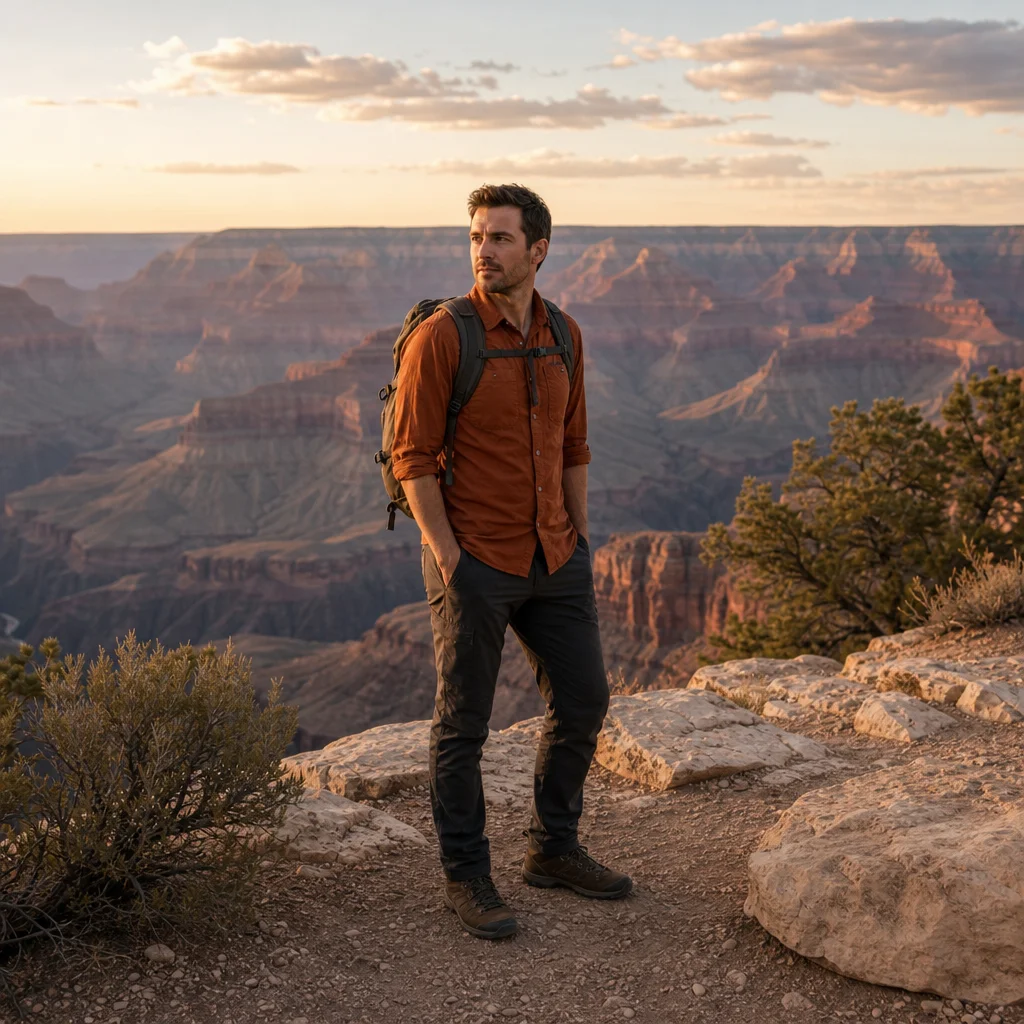
Short climbs can disrupt an otherwise comfortable hike. You round a bend, see a brief rise in the trail, and your breathing becomes urgent before your group has noticeably slowed. The mistake is treating that spike as a test of toughness. A better approach is to manage effort early, preserve your ability to recover, and keep the same pacing habits reliable across an entire season.
Start below the pace that causes the spike
If your heart rate rises sharply on every short climb, your first adjustment should happen before the slope feels difficult. Slow down as soon as the trail tilts upward rather than waiting until you’re already breathing hard.
Use a pace that allows you to speak in short sentences. You don’t need to hold a conversation continuously, but you should be able to say a few words without gasping. If you can only answer with single words, the group is moving faster than your sustainable effort—at least for that section.
A sustainable pace may feel unnecessarily slow for the first minute. That is useful information, not a failure. The goal is to finish the climb with enough control to continue walking, rather than spending the next several minutes recovering from a short rise.
When hiking with a stronger group, make your preferred pace visible early. Say, “I’m going to take the climb at my pace and catch up at the top.” This is easier than silently matching the group, falling behind, and then trying to regain ground at an even higher effort.
Shorten your steps before you stop
Long steps demand more force from your legs, especially when the trail is steep, loose, or uneven. Shorter steps reduce the amount of work required in each stride and make it easier to maintain a steady rhythm.
Try these adjustments as soon as the incline begins:
- Shorten your stride until your feet land comfortably beneath you.
- Keep your steps light and regular instead of pushing hard every few strides.
- Reduce your speed before your breathing becomes ragged.
- Keep your upper body relaxed, with your shoulders down and your hands easy.
- Look several steps ahead so you can choose a smooth line rather than reacting to each obstacle.
You may take more steps per minute, but each step costs less. This is particularly helpful on repeated short climbs, where a small amount of overexertion can accumulate over several miles.
Avoid leaning heavily forward from your waist. A modest forward angle from the ankles can match the slope, but folding at the waist can restrict comfortable breathing and place more strain on your back. Keep your head up enough to see the trail and your posture stable.
Use breathing as an early warning system
Breathing often changes before you consciously decide that the pace is too hard. Notice whether your breathing is smooth and controlled, becoming deeper but still manageable, or whether it has turned hurried and difficult to regulate.
You can use a simple three-level check:
- Controlled: You can speak a short sentence and return to a comfortable breath quickly.
- Strained: You can speak only a few words, and you’re working to keep your rhythm.
- Overloaded: You’re gasping, stopping mid-sentence, or unable to settle your breathing while walking.
Stay mostly in the first level on ordinary climbs. The second level is a prompt to shorten your steps and slow down. The third means you should stop or move to a safe, stable place and allow your breathing to recover.
Don’t force a dramatic breathing pattern if it makes you tense. Instead, try a steady rhythm that fits your steps, such as breathing in for two or three steps and out for two or three. The exact count matters less than avoiding breath-holding and keeping the exhale unhurried.
If cold air, dust, allergies, or congestion affects your breathing, treat that as part of the day’s conditions. A pace that is manageable in cool, clear weather may be too aggressive when your airways feel irritated.
Take rests that protect the rest of the hike
Resting is most effective when it prevents a full loss of control. You don’t have to wait until you’re exhausted. A brief pause before a steep step, a switchback, or the crest of a climb can keep the effort from escalating.
Choose a stable place away from the main trail when possible. Stand or sit in a position that lets your chest expand comfortably, take a few relaxed breaths, and reassess before continuing. A short pause may be enough; a longer one is appropriate if your breathing or legs aren’t recovering.
Avoid turning every rest into a race reset. If you stop for several minutes and then immediately match the group’s faster pace, the same spike will likely return. Resume with short steps and a deliberately easy effort for the first minute.
A useful pattern for repeated rises is:
- Ease off at the base of the climb.
- Shorten your steps through the steepest section.
- Pause briefly if your breathing becomes strained.
- Continue at a recovery pace over the top.
- Resume normal hiking only after your breathing feels settled.
The recovery section matters. A short climb can finish when the trail levels out, but your body may still be paying for the effort. Treat the next minute or two as part of the climb rather than accelerating immediately at the crest.
Check effort without chasing a number
A heart-rate monitor can show that effort is rising, but the number shouldn’t be your only pacing tool. Wrist-based readings can lag, jump, or become less reliable with movement, cold, a loose fit, or poor contact. Use the reading as one piece of information alongside breathing, perceived effort, and how quickly you recover.
If you use a monitor, pay attention to patterns rather than one isolated value. Ask:
- Does the number rise quickly after you begin climbing?
- Does it settle when you shorten your steps?
- Does it remain unusually high after the trail levels out?
- Is the reading consistent with how hard you feel you’re working?
- Does the same route produce a different response in heat, humidity, altitude, or poor sleep?
You can also use a simple effort scale from easy to very hard. Most ordinary hiking should feel controlled enough that you could continue for a while. Short climbs may briefly feel harder, but they shouldn’t repeatedly force you into an effort you can’t recover from.
Don’t compare your heart-rate number with another hiker’s. Age, fitness, medication, hydration, heat tolerance, sensor accuracy, and individual physiology all affect the reading. Your useful benchmark is how your own effort responds to a particular pace and set of conditions.
Know when to stop the climb: If a heart-rate spike comes with chest pain or pressure, fainting, severe dizziness, unusual shortness of breath, confusion, blue or gray lips, or symptoms that don’t improve with rest, stop hiking and seek urgent medical help. If this response is new, repeatedly disproportionate to the effort, or concerning even without those symptoms, arrange medical advice before treating it as a pacing issue.
Account for conditions that raise effort
A pace that works on a cool, flat trail may be unsustainable on a warm climb. Heat and humidity make it harder to shed body heat, while elevation can change how hard familiar effort feels. A heavy pack, loose footing, wet clothing, dehydration, poor sleep, illness, and recent training gaps can also make short climbs feel unexpectedly demanding.
Before setting out, decide which conditions will change your plan. In hot weather, start earlier or choose a route with more shade if possible. Carry enough water for the route and conditions, and avoid using thirst or a heart-rate target as the only measure of whether you need a break. If you’re sick, unusually fatigued, or recovering from an injury, reducing distance or postponing the hike may be more reliable than trying to pace through it.
On an unfamiliar trail, build in extra time. A schedule that requires you to stay with a fast group can turn every rise into a forced effort. Leave room for slower climbing, navigation, and recovery without making the return portion a race.
Make the group pace sustainable
A group shouldn't dictate a pace that repeatedly causes your breathing and heart rate to spike. Agree on regrouping points before the climb, such as the next junction, a viewpoint, or the top of a distinct rise. The faster hikers can wait there without asking the slower hiker to chase them.
If you’re leading, set a pace based on the least-conditioned member’s sustainable effort, especially when the route includes many short climbs. If you’re following, communicate before you’re in distress. “I need to slow down on the uphill” gives the group a clear adjustment; disappearing behind without explanation can create confusion or pressure to hurry.
A reliable group system includes:
- A known turnaround time or route limit.
- Regular water and condition checks.
- Agreed regrouping locations.
- A plan if someone can't maintain the pace.
- Enough daylight and energy for the return.
These decisions protect more than comfort. They reduce the chance that an early pace problem becomes exhaustion, a navigation mistake, or an unsafe descent later.
Build a repeatable pacing habit
For future hikes, record a few useful details after the trip: route length, elevation changes, temperature, pack weight, where the spikes occurred, what pace adjustment helped, and how quickly you recovered. You don’t need a detailed training log. A few consistent observations can reveal whether the issue is tied to steepness, heat, accumulated fatigue, or starting too fast.
On your next hike, practice the method on easy terrain rather than waiting for a difficult climb. Notice your breathing on level ground, shorten your steps at the first incline, and take a controlled recovery period after the rise. Repetition makes the response automatic.
Your field-ready decision threshold is simple: slow down before breathing becomes strained, rest before control is lost, and don’t continue when symptoms suggest something beyond ordinary exertion. If you can finish each short climb, recover promptly, and preserve energy for the miles ahead, your pace is doing its job.