How to Respond When a Hiker Falls and Says They Are Fine
When a hiker stands up after a fall and insists they’re fine, the real problem may be hidden pain, confusion, or a worsening injury. I’ll walk you through a calm assessment and a defensible decision about continuing.
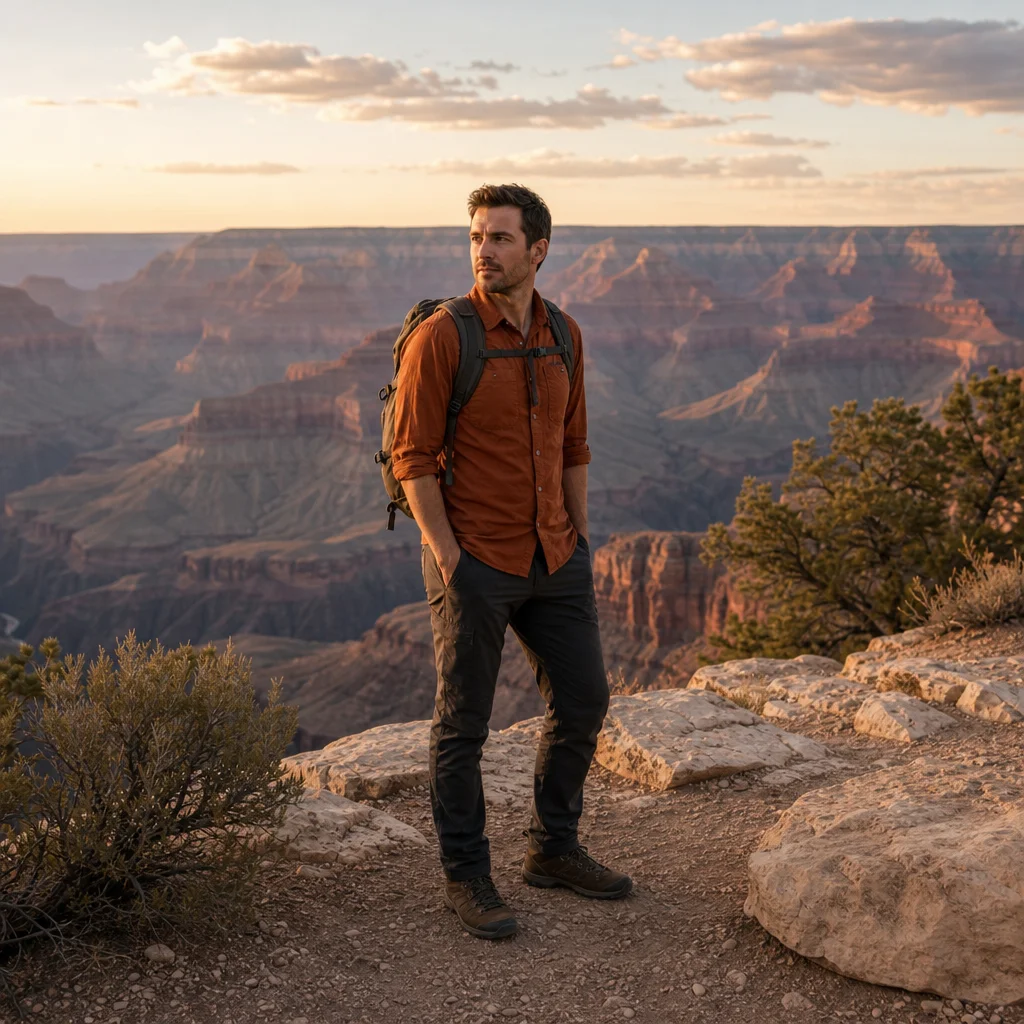
The hiker is back on their feet, brushing dirt from their clothes, and saying the words that can end a careful assessment too early: “I’m fine.” Your job isn’t to argue with them or diagnose the injury. It’s to slow the situation down, check what you can observe, and decide whether moving on is reasonable.
A fall can cause more than the obvious scrape. Pain may be masked by adrenaline. A person may not notice confusion immediately after a head impact. A knee, wrist, or ankle can still bear weight while a serious injury is developing. Treat “I’m fine” as useful information about how the hiker feels—not as proof that they’re uninjured.
Make the Scene Safe First
Before you examine the hiker, check the surroundings. Move away from falling rock, unstable snow, traffic, moving water, lightning exposure, or other immediate hazards if you can do so without worsening an injury. If the person may have injured their spine, neck, or pelvis, avoid moving them unless staying put creates a greater danger.
Ask permission before touching or helping them stand. If they’re alert and able to answer, explain what you’re checking: “I want to make sure you didn’t hit your head or hurt anything that could get worse on the way out.” A calm explanation can reduce embarrassment and make it easier for them to report symptoms honestly.
Use gloves if you have them, especially when dealing with blood. Keep the person warm, shaded, or protected from precipitation while you assess them. Don’t let the rest of the group scatter; you may need a phone, first-aid supplies, insulation, navigation equipment, or another person to help manage the scene.
Confirm Your Emergency Route
If the hiker has a serious symptom, an unclear level of consciousness, or an injury beyond the group’s ability to manage, contact the local emergency number as soon as practical. Check your current local emergency guidance and know whether the area has reliable coverage, a designated emergency channel, or a rescue service that requires a different contact method.
Check Alertness and the Fall Itself
Start with simple questions and listen to both the answers and the way they’re given. Ask:
- What happened?
- Did you hit your head?
- Did you lose consciousness, even briefly?
- Where do you hurt?
- What day or place is it, and what were you doing just before the fall?
A person who is confused, unusually drowsy, repeatedly asking the same question, slurring speech, or struggling to answer may have a serious head injury or another medical problem. You don’t need to prove the cause. Treat a clear change in alertness as a reason to seek emergency help.
Ask witnesses what they saw. The hiker may not know whether their head struck the ground or whether they were unconscious for a moment. Note the terrain, approximate height of the fall, direction of impact, and whether a pack, rock, tree, or other object was involved. A short slip onto soft ground and a high-energy impact onto rock don't carry the same concern, even when the person reports similar pain.
Watch for repeated vomiting, a worsening headache, seizure, weakness, numbness, trouble speaking, vision changes, unequal pupils, fluid or blood from the nose or ears, or difficulty staying awake. These signs warrant urgent emergency assistance. Don’t give food, drink, or medication to someone who is confused, vomiting, or may need urgent medical care.
Assess Function Without Forcing Movement
If the hiker is fully alert and has no obvious serious symptoms, ask them to describe the pain rather than testing the injured area aggressively. Find out whether pain is mild, moderate, or severe; whether it is increasing; and whether it is localized or spreading. Ask about numbness, tingling, weakness, instability, and a feeling that a joint is out of place.
Look for swelling, deformity, unusual angles, open wounds, significant bruising, or skin that is pale, blue, or unusually cool below an injury. Compare the injured side with the uninjured side when that can be done without causing pain. Don’t straighten a visibly deformed limb, force a joint through its range of motion, or ask the person to “walk it off.”
Function matters, but it’s only one part of the decision. Ask the hiker to move fingers or toes if that is comfortable. For an ankle, knee, hip, wrist, or shoulder injury, let them decide whether a small movement is tolerable. Stop immediately if pain increases sharply, the joint feels unstable, or new numbness or weakness appears.
A person who can walk may still have an injury that needs medical evaluation. Weight-bearing ability isn't a reliable clearance test for a fracture, significant sprain, tendon injury, or head injury. Conversely, a painful bruise or minor scrape may be manageable. Your decision should reflect the complete picture, not one encouraging sign.
Control Bleeding and Protect Obvious Injuries
For external bleeding, apply firm, steady direct pressure with clean material. Add more material over the first layer if it becomes soaked rather than repeatedly removing it to inspect the wound. Severe bleeding that doesn’t stop with sustained pressure requires emergency help. Use a tourniquet only if you have one, know how to use it, and the bleeding is life-threatening; follow current training and emergency-dispatch instructions.
Cover minor wounds after bleeding is controlled. Protect a painful or unstable limb in the position found, using padding or a splint only if you have the training and equipment to do it without increasing pain, numbness, or circulation problems. A makeshift splint should support the injury rather than force it straight.
For a suspected head, neck, back, or pelvis injury, keep the hiker as still and comfortable as possible. Don’t remove a helmet unless it’s necessary to provide a clear airway or perform immediate lifesaving care, and follow instructions from emergency dispatch when available. Monitor breathing and alertness while waiting for help.
Decide Whether Continuing Is Reasonable
The safest default after a fall isn't automatically evacuation, but it is also not automatically continuing. Use a conservative threshold: if you can't confidently explain what happened, what hurts, and how the hiker will get out, continuing deeper into the route is a poor choice.
Arrange emergency assistance rather than continuing if the hiker has any of these conditions:
- Loss of consciousness, confusion, unusual drowsiness, seizure, or worsening alertness
- Repeated vomiting, a severe or worsening headache, or new vision, speech, balance, strength, or sensation problems
- Significant bleeding, breathing difficulty, chest pain, or severe abdominal pain
- A visible deformity, suspected fracture, inability to use a limb, or rapidly increasing swelling
- Neck, back, or pelvic pain, especially after a hard impact
- Severe pain, faintness, shock-like symptoms, or a condition that is getting worse
- No practical way to reach safety without substantial pain, unstable footing, exposure, or a second fall
Even without those signs, turn around or shorten the outing when the hiker has persistent pain, a limp, reduced grip, swelling, instability, or uncertainty about the injury. The person may be able to walk slowly with support, but that doesn’t mean they should continue toward the original destination. Choose the shortest safe route to assistance or a reliable exit, and avoid terrain that demands scrambling, jumping, steep descents, or heavy pack carrying.
If the hiker appears well, has no concerning symptoms, and has a minor injury that remains stable, rest and observe before deciding. Give them time to drink if they are fully alert and not nauseated, adjust clothing or shelter, and reassess pain and function. A short period of observation can reveal symptoms that were hidden immediately after the fall.
The hiker shouldn't be left alone. Keep the group together when possible, redistribute equipment, reduce pace, and use the least demanding route. Recheck alertness, pain, swelling, and movement periodically. Stop if symptoms worsen rather than negotiating each change as a new reason to continue.
After the Hiker Gets Out
A fall that seems minor deserves follow-up when pain, swelling, bruising, limited movement, headache, dizziness, or unusual fatigue persists or develops later. Encourage the hiker to seek medical advice, particularly after a head impact or when they take medication or have a condition that could affect bleeding or balance. Don't use the absence of immediate symptoms as proof that no evaluation is needed.
Record useful details while they’re fresh: time of the fall, mechanism, head impact, symptoms, changes during observation, first aid provided, and the route used to exit. This information can help a clinician assess the injury and can help the group improve its response.
Review the equipment and decision process afterward. Replace used dressings, restock gloves and barriers, recharge communication devices, and check that the first-aid kit still matches the group’s abilities. Confirm that everyone knows how to share a location, describe a trail junction, and contact help in the area. Reliable response depends as much on preparation and maintenance as on courage in the moment.
Field-Ready Decision Checklist
Before allowing a hiker who has fallen to continue, confirm all of the following:
- They are alert, communicating normally, and not becoming more drowsy or confused.
- They have no concerning head, neck, back, chest, abdominal, or breathing symptoms.
- Bleeding is controlled, and there is no obvious deformity or serious loss of function.
- Pain and swelling are mild, stable, and not limiting safe movement.
- They can use the required limb function without sharp or escalating pain.
- The route to safety is practical, and the group can support a slower exit.
- Someone will stay with them and continue monitoring for changes.
If any answer is uncertain, choose the safer exit or contact emergency assistance. A hiker who says they’re fine may simply be trying not to delay the group. Give them permission to be honest, make the decision based on observed function and changing symptoms, and treat a cautious retreat as a successful outcome.