How to Pass Through a Quiet Wildlife Area Without Changing Animal Behavior
Wildlife reacts to your distance, noise, food, and movement long before you notice it. I’ll help you weigh quiet passage against retreating, so your route protects animal behavior without turning a close encounter into a preventable safety problem.
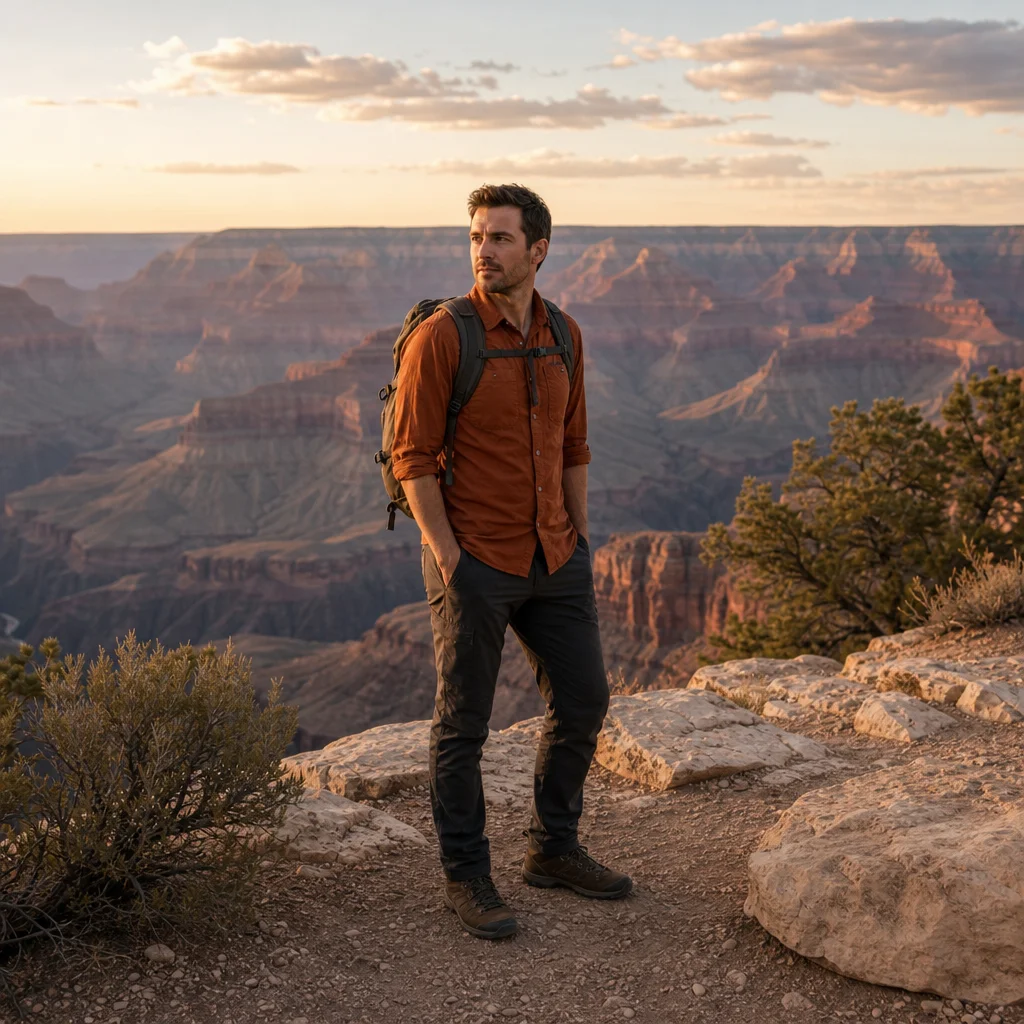
The first sign of a quiet wildlife area is often how little seems to be happening: no voices ahead, fresh tracks near the trail, or a flock that lifts before you can see why. In these places, your best passage isn't simply the fastest or quietest one. It’s the choice that lets animals continue feeding, resting, nesting, or moving without having to respond to you.
That requires judgment rather than a single rule. You may be able to stay on the route by slowing down and creating distance. In another situation, the more responsible choice is to turn around, wait, or take a different trail. The trade-off is a few extra minutes for you versus a disruption that can cost wildlife energy, expose young animals, or change where they use the landscape.
Prepare before you enter
Check the area’s current rules
Wildlife-rich public lands can have seasonal closures, required setbacks, leash rules, food-storage requirements, and route restrictions that change with nesting, migration, fire, weather, or animal activity. Read the land manager’s current notices before you leave, and check trailhead signs when you arrive. A general wildlife-watching guideline doesn't replace a site-specific rule.
Confirm today’s wildlife restrictions: Before starting, check the current land-manager notices for closures, distance requirements, dog rules, food storage, and species-specific guidance. If signs or staff instructions differ from general advice, follow the local direction.
Carry a map that shows alternate routes and likely exit points. A detour is easier to choose when you already know where it leads. If you’re hiking with others, agree that anyone can call for more distance or a retreat without having to argue the point in the moment.
Pack for low-impact decisions
Bring enough water and food that you won’t need to approach an animal, campsite, or ranger facility unexpectedly. Keep food in sealed containers inside your pack, not in open side pockets. Pack out wrappers, fruit peels, tissues, and other scraps; wildlife can learn to associate trails and people with food even when the item seems harmless.
A leash that gives you control is more useful than a long, retractable line around wildlife. If dogs aren’t allowed, leave them at home. If they are allowed, keep them close enough that you can prevent chasing, barking, or a sudden rush toward brush. An animal may interpret a dog very differently from a hiker walking past.
Binoculars and a zoom lens can help you observe without closing the gap. They don’t make it appropriate to remain if your presence is already causing a reaction. Equipment is a way to increase distance, not a reason to stay longer.
Notice the early signs
Animals often respond before you identify them. Watch for repeated head lifts, fixed staring, alarm calls, sudden silence, stiff posture, tail or ear changes, circling, repeated movement away from you, or an adult positioning itself between you and young. Birds may flush, mammals may stop feeding, and animals that were resting may stand and face the trail.
You should also read the setting. A narrow canyon, dense brush, shoreline, den area, nest site, carcass, salt lick, or water source gives an animal fewer options to avoid you. A trail that looks wide enough for you may still leave an animal with no comfortable escape route. The animal’s apparent calm doesn't prove that your distance is adequate; some species freeze, hide, or tolerate people until the disturbance becomes more costly.
Treat fresh tracks, scat, bedding, feathers, or repeated calls as information about where animals are using the area—not as an invitation to search for them. Stay on designated routes unless local rules say otherwise. Off-trail approaches can damage vegetation and soil while also pushing wildlife into less suitable cover.
Choose your passing strategy
Slow down and give the route away
If you see wildlife at a substantial distance and it isn't responding to you, reduce your pace. Keep your body angled rather than advancing directly, lower your voice, and avoid sudden gestures. Let the animal decide whether to continue, move away, or cross.
Don't crowd the edge of the trail to improve your view. Keep moving when movement is clearly safe, or stop in a position that doesn't block the animal’s path. A group should compress rather than spread across the route. Quietly tell companions what you’ve observed so nobody approaches from behind while attention is focused forward.
This approach preserves your planned route and may be appropriate when the area is open, the animal has multiple escape options, and there are no signs of stress. It isn't a promise that the animal will ignore you. Be ready to increase distance if its behavior changes.
Wait when waiting reduces pressure
Sometimes a short pause is the least disruptive option. Stand or sit away from the animal’s likely travel line, keep voices low, and avoid turning the pause into a viewing session. If the animal resumes normal behavior and moves away, you may be able to continue.
Waiting has a cost: your group may cool down, lose daylight, or become less comfortable. Those costs matter, especially in difficult weather or on a demanding route. Set a practical limit before you wait. If the animal remains in a confined area, repeatedly watches you, or can't move without passing close to you, waiting isn't solving the underlying problem.
Detour, turn back, or leave the route
A detour is usually the better choice when the trail funnels you toward wildlife, the animal is near a den or young, or your presence is already producing a clear response. Turn around rather than trying to slip past a large animal in brush, around a blind corner, or between an adult and its young. Don't rely on a group’s size to make the animal move.
Leaving the route can feel disproportionate when you have traveled a long way to reach it. The trade-off is straightforward: continuing may save time but increase pressure, while retreating preserves distance and gives the animal control over the encounter. If the route is closed or an official tells you to leave, comply immediately.
Avoid creating a second disturbance while detouring. Don’t cut cross-country through sensitive habitat, follow an animal to find another crossing, or gather other hikers to watch. Use a signed alternative when one exists. If no safe alternative is available, return the way you came and report a persistent obstruction or conflict through the land manager’s established channel.
Manage voices, food, and dogs
Quiet doesn't mean complete silence. Whispering, calling loudly, playing music, and using speakerphone can all change how animals use a trail. Keep conversations low and brief, turn off music, and avoid shouting to locate members of your group. At blind corners, a calm human presence can be less surprising than silent, rapid movement, but your goal is to announce yourself without creating a disturbance.
Never offer food, leave food for viewing, or use scent to draw wildlife closer. Secure your pack when stopped. Don’t leave it unattended near a campsite, overlook, or trail junction. If an animal approaches, don’t throw food to distract it; create distance and follow local wildlife-safety instructions instead.
Dogs need an additional margin because chasing can happen in seconds. Keep the leash short enough for control without wrapping it around your hand or a tree. Move away from wildlife before the dog becomes excited, and don’t allow a dog to investigate tracks, burrows, carcasses, or resting places. If you can’t maintain control, retreat early.
Handle a close encounter without escalating it
Stop advancing. Give the animal room and identify an escape path for yourself that doesn't require running past it. Keep your voice calm, bring children and dogs close, and follow species-specific instructions from local authorities. Don’t approach for a photograph, corner the animal, or assume that a small animal is harmless because it looks calm.
If the animal moves away, wait before following. If it follows you, blocks your route, displays defensive behavior, or appears injured, increase distance without sudden movement and seek help when you can do so safely. An injured or habituated animal may behave unpredictably; report the location and behavior rather than trying to intervene.
Species differ substantially, and so do recommended responses. The right action around a nesting bird isn't the same as the right action around a bear, moose, seal, or snake. Use local agency guidance for the animals in that area, particularly where food conditioning, seasonal aggression, or disease concerns are known.
Make the final decision at the trail
Before you pass, ask four questions:
- Does the animal have a clear way to move away without crossing close to me?
- Is the route open, and am I complying with current local restrictions?
- Has the animal shown any sign that my presence is changing its behavior?
- Can I maintain control of my group, food, and dog throughout the passage?
If the answer to the first two is no, leave the route. If the animal is reacting to you, increase distance or retreat even if the legal minimum distance has technically been met. Minimums are boundaries, not targets, and they may be insufficient in confined terrain or around sensitive animals.
Your field-ready standard is simple: pass only when the animal has space and choice, your group is controlled, and the encounter isn't becoming an event. Otherwise, wait briefly, take the marked alternative, or turn back. A route completed another day is a smaller cost than teaching wildlife that people, dogs, and food are worth approaching—or forcing an animal to change its behavior to avoid you.