How to Hike Quietly During Bird Nesting Season Without Missing the Signs
I’ll clarify how to stay unobtrusive during bird nesting season, recognize signs that a trail or area needs extra care, and respond to temporary closures without losing the wildlife-viewing opportunities that brought you outdoors.
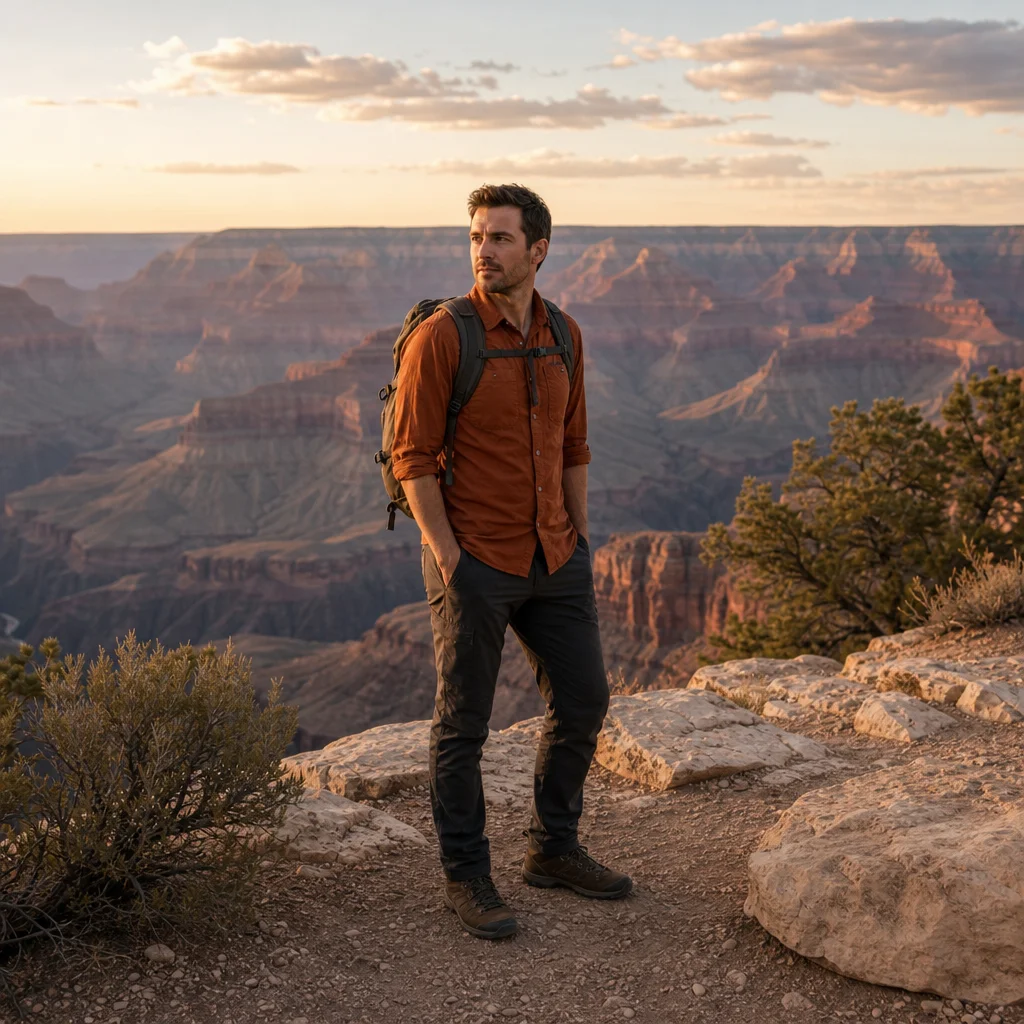
When forest trails are damp with spring growth or wetland edges are filling with calls, the most important sign may be one you don’t see: a bird changing its behavior because you’re too close. Nesting-season hiking calls for fewer supplies and more attention, not specialized equipment. Slow down, keep your route simple, and let the landscape tell you when to give wildlife more space.
Start with the route, not the nest
Before leaving, check the managing agency’s current trail page, alerts, and closure notices. Nesting protections can apply to a particular boardwalk, shoreline, marsh, cliff, or trail segment rather than an entire preserve. A route that was open last month may now have a detour, a one-way section, or a seasonal access limit.
Look especially for notices mentioning:
- Ground-nesting birds
- Colonial nesting areas
- Herons, terns, shorebirds, raptors, or waterfowl
- Temporary wildlife closures
- Leash requirements or no-dog zones
- Restricted access to islands, mudflats, beaches, or wetland margins
- Seasonal limits on drones, boats, or off-trail travel
Check the active nesting notice: Before you set out, confirm the current closure boundaries, permitted route, leash rules, and any date-based restrictions with the land manager. Treat a signed closure as active even if you don’t see birds nearby.
Choose the simplest route that meets your goal. If your main objective is a quiet walk, a less popular forest loop may be a better choice than a narrow wetland boardwalk where every passing hiker is concentrated near feeding and nesting habitat. A pair of binoculars can help you observe from a distance; extra gear that encourages you to leave the trail usually works against responsible viewing.
Carry the minimalist essentials
You don’t need a large wildlife kit to reduce disturbance. Bring:
- Water and weather-appropriate clothing
- A map or offline route information
- A phone for navigation and emergency communication
- Binoculars, if you use them responsibly
- Waste bags for yourself and your dog, where dogs are permitted
- A small notebook or phone note for recording observations after you’ve moved away
Avoid carrying anything intended to draw birds closer. Playback, calls, food, bait, and bright pointing devices can alter animal behavior and disturb other visitors. A telephoto lens or binoculars are observation tools; they don’t justify approaching a nest.
If you hike with a dog, confirm that dogs are allowed on the route and whether they must be leashed. A dog that is calm around people may still flush birds, chase wildlife, or investigate vegetation. Keep it close enough that you can prevent a sudden lunge into reeds, brush, mudflats, or shoreline habitat.
Notice the early warning signs
Birds rarely provide a clear boundary line. You may not see a nest, and you may not know whether a bird is defending a territory, feeding a mate, or reacting to an ordinary disturbance. Watch for behavior that suggests you’re affecting the area:
- Repeated alarm calls as you approach
- A bird flying from low vegetation, then circling or calling nearby
- A bird pretending to be injured, dragging a wing, or moving conspicuously along the ground
- Repeated short flights from the same patch of reeds, grass, brush, or shoreline
- Adults carrying nesting material or food
- Birds repeatedly returning to one small area after you pass
- A group of birds becoming agitated and vocal rather than simply moving away
- Other hikers stopping, pointing, or quietly warning that a nest or colony is nearby
These signs don’t prove that a nest is present, but they’re enough to change your behavior. Don’t search for confirmation. Move away using the route you came from, or continue only if you can do so without closing the distance. If the trail is narrow, step back to a durable surface rather than pushing into vegetation to let someone pass.
A bird that stays still isn’t necessarily comfortable. Some species rely on camouflage and may remain near a nest while you pass. Others may leave before you notice them. The absence of alarm calls isn't permission to approach.
Move quietly without trying to disappear
Quiet hiking is less about complete silence than about reducing sudden, unnecessary disturbance. Walk at a steady pace and keep voices low near wetlands, dense shrubs, and open shorelines. Pause before entering a blind corner or crossing a bridge so you can scan the trail and habitat ahead.
Avoid these common sources of disturbance:
- Calling loudly to companions across a trail
- Playing music or podcasts through a speaker
- Slamming gates or boardwalk doors
- Repeatedly stopping in a narrow passage to photograph wildlife
- Following a bird when it flies away
- Using playback to make a hidden bird appear
- Allowing a dog to run ahead or investigate cover
- Walking around a sign, barrier, or rope because the route looks passable
Your pace matters. Fast movement can flush birds even when you’re quiet, particularly in open wetlands where there’s little cover. Slow down near habitat edges, keep your eyes on the surface you’re walking over, and avoid sweeping your gaze through vegetation as if you’re trying to locate a nest.
You also don’t need to whisper for an entire hike. Normal low conversation on an established trail is generally less disruptive than repeated stops, sudden movement, or an attempt to get close. Save louder conversation for trail sections away from sensitive habitat.
Respond when you see a nest or nesting behavior
If you notice a nest, nest material, eggs, chicks, or a bird repeatedly defending one location, stop looking and create distance. Don’t crouch beside the trail, photograph through an opening, or ask other hikers to come see it. Mark the general location in your memory only if doing so doesn’t require lingering.
Then take the least disruptive action available:
- Stop and assess whether your position is already too close.
- Back away along the established route, without entering vegetation.
- Keep companions and dogs moving with you.
- Don’t point out the exact location to passing visitors.
- Report a serious problem, such as a missing barrier or repeated disturbance, to the managing agency after you’re safely away.
If a bird displays a broken-wing distraction, treat it as a strong request for distance. Turn around rather than trying to identify the species or locate the nest. The behavior is designed to draw attention away from vulnerable young, so following the bird defeats the purpose of its response.
If you find a chick or fledgling on the ground, don’t assume it needs rescuing. Many young birds spend time on the ground while adults remain nearby. Keep your distance, prevent your dog from investigating, and contact a qualified wildlife rehabilitator or land manager only if the animal appears injured or is in immediate danger. Don’t handle or feed it unless a qualified professional directs you to do so.
Follow temporary route changes literally
Seasonal barriers can look provisional, especially when a trail continues visibly beyond them. They may protect a nest that isn’t visible from the path, or they may keep visitors away from a broader area than the sign explains. Walk only on the designated alternative route and don’t step around ropes, cones, fencing, or closed boardwalk sections.
Pay attention to changes in the surrounding landscape as well. A detour can place hikers closer to a different nesting area, especially along a narrow wetland margin. If the alternate route is crowded, noisy, flooded, or poorly marked, ask the managing agency for clarification rather than improvising an off-trail path.
Temporary access rules can also change what you may do with equipment. A trail may remain open to walking while limiting photography positions, drones, fishing, boating, or access to a beach or island. Read the complete notice instead of relying on the fact that other visitors are carrying out an activity.
Observe without missing the signs
Responsible observation isn’t passive. You can still notice a great deal by watching from the route and letting birds decide whether to remain visible. Look for movement at habitat edges, changes in calls, flight paths, and adults carrying food or nesting material. Use binoculars briefly, then lower them and check your own position.
Keep a generous distance whenever a bird changes its behavior because of you. There isn’t one universal number that works for every species, habitat, or trail. A bird accustomed to a busy boardwalk may tolerate passing hikers differently from a bird in a quiet marsh. Local closures, signs, and staff guidance should take priority over general viewing rules.
Avoid sharing precise nest locations online during the nesting period. A well-intended post can bring photographers and curious visitors to a place that was quiet before. If you document the sighting, record the species or general area without publishing directions to a nest, colony, or hidden viewpoint.
Decide when to turn around
Turn around when the route forces you into sensitive habitat, when a bird repeatedly reacts to your presence, or when you can’t maintain distance without stopping in place. Also reconsider the hike if weather, flooding, or a washed-out detour pushes you toward an unmarked route. Missing one section of trail is a smaller loss than converting a nesting area into a gathering point.
A good nesting-season outing may feel uneventful: you stay on the route, see signs without pursuing them, and leave before wildlife has to escalate its response. That restraint is the point. The fewer decisions you force on the birds around you, the more likely you are to observe natural behavior.
Field-ready checklist
Before and during the hike, confirm that you can answer yes to these questions:
- Did you check the current seasonal notices and route status?
- Do you know where dogs are allowed and whether leashes are required?
- Are you carrying only what you need to stay safe and observe from the trail?
- Can you recognize alarm behavior without trying to locate the nest?
- Will you back away if a bird changes its behavior because of you?
- Will you follow every barrier and detour without improvising?
- Will you avoid playback, feeding, drones, and precise nest-location posts?
If the answer to any of these is no, simplify the plan before you enter the habitat. The quietest hike is the one that leaves the route, the birds, and the next visitor undisturbed.