How to Build Endurance With Back-to-Back Day Hikes
Back-to-back hikes build more than distance: they teach your body and judgment to work while fatigue is still present. I’ll show you how to progress mileage, elevation, recovery, and pack weight without turning preparation for a multi-day trip into an avoidable injury cycle.
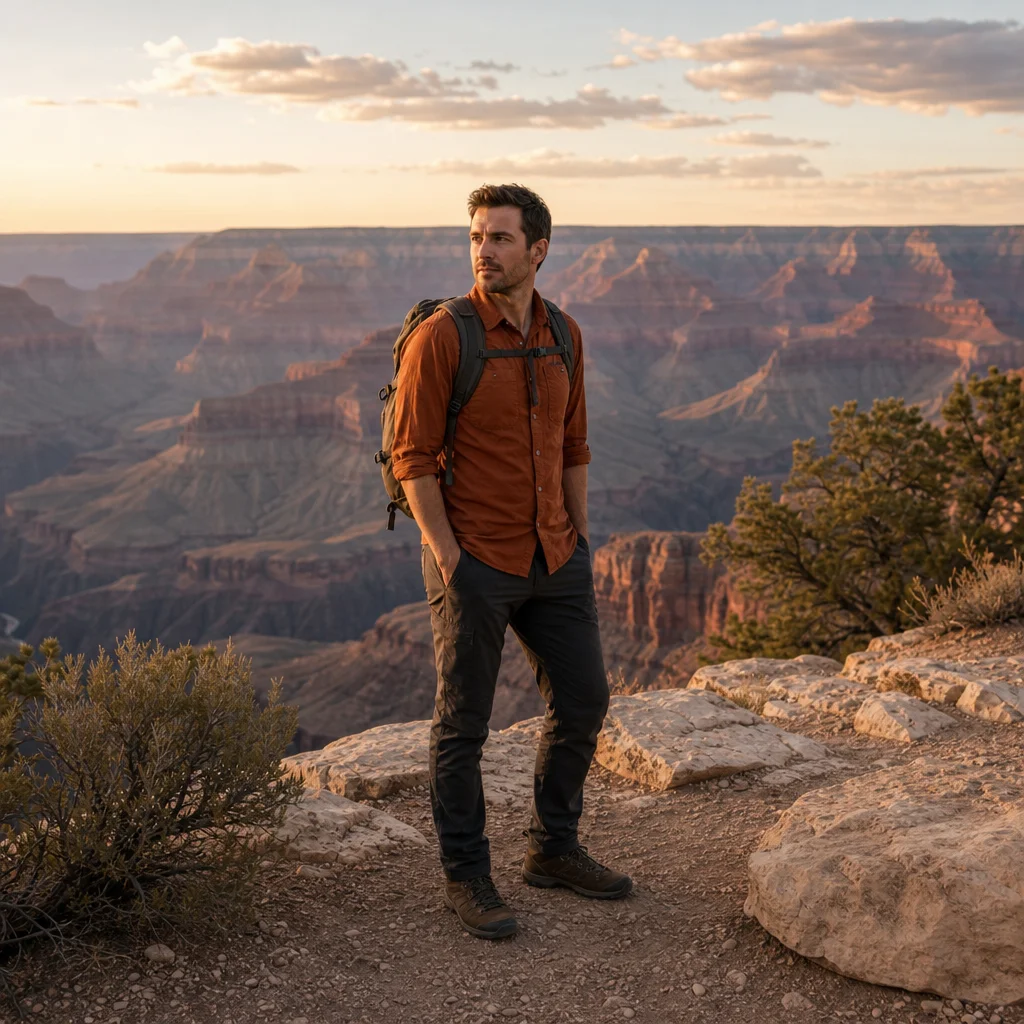
A second hiking day feels different when your legs are already carrying fatigue from the first. The goal of back-to-back day hikes isn’t to make every outing harder; it’s to practice moving well, recovering overnight, and making sound decisions when you aren’t starting fresh.
For beginner-first preparation, keep the progression gradual. Build the habit with manageable hikes, change one major stressor at a time, and treat recovery as part of the training rather than time lost between efforts.
Start by Defining the Trip’s Demands
Before planning training hikes, describe the trip you’re preparing for. Look at the expected distance, elevation gain and loss, terrain, pack weight, number of consecutive hiking days, and the quality of overnight recovery. Two days of smooth trail with a light pack require a different approach from four days of steep, rocky travel with a loaded backpack.
Write down the hardest likely day, not only the average day. If the route includes a long climb followed by a technical descent, that downhill work matters. Descending can create substantial muscle fatigue even when your breathing feels controlled. Likewise, a moderate distance becomes more demanding when the trail is hot, wet, sandy, or exposed.
Use the trip’s demands to establish a training target:
- Distance: How far will you walk on each day?
- Elevation: How much climbing and descending will you encounter?
- Terrain: Will you use smooth paths, uneven rock, mud, snow, or loose ground?
- Pack weight: What will you carry, including food and water?
- Recovery: Will you sleep in a tent, shelter, vehicle, or another setting with limited comfort?
- Consecutive days: How many days must you perform before a full rest day?
You don’t need to duplicate every detail immediately. You do need to know which demands deserve practice and which can be introduced later.
Build a Reliable First Day
Back-to-back training starts with a first day you can complete without excessive soreness, altered movement, or a long recovery crash. If a single hike is currently near your limit, adding a second day will mostly test your ability to tolerate overload rather than your ability to hike efficiently.
Begin with a familiar route and a pace that allows you to speak in short sentences. Keep the pack close to the weight you normally carry on day hikes at first. Your early objective is repeatability: you should finish feeling that another reasonable outing would be possible after recovery, not that you barely escaped the trail.
A useful starting pattern is:
- Hike once during the week or weekend at an easy-to-moderate effort.
- Recover until normal daily movement feels comfortable.
- Repeat the route or a similar route the following week.
- Add a second consecutive day only when the first day is predictable and recovery is acceptable.
The exact schedule depends on your current conditioning, work demands, sleep, and injury history. Don't treat a sample progression as a fixed prescription. The important sequence is single-day consistency, then two-day exposure, then gradual increases in the demands of those two days.
Progress One Main Stressor at a Time
Distance, elevation, pack weight, pace, and technical terrain all add stress. Increasing several at once makes it difficult to identify what caused a problem and increases the chance that a small warning becomes an injury.
For example, you might first complete two moderate days with a light pack. On a later weekend, keep the distance similar while adding some elevation. After that feels manageable, add a small amount of pack weight. This approach may seem slower, but it gives you useful information about your limits.
A practical progression can move through these stages:
Stage 1: Repeatable easy days
Complete two consecutive hikes on uncomplicated terrain. Keep both days comfortably below your maximum distance and use a light, functional pack. Focus on steady pacing, eating and drinking regularly, and noticing how your feet and joints respond.
Stage 2: Moderate second-day fatigue
Keep the first day controlled and make the second day similar in distance or slightly shorter. The second hike should feel like work, but you should still be able to maintain stable foot placement and make ordinary decisions without rushing.
Stage 3: Add elevation or technical ground
Introduce climbs, descents, uneven trail, or other features that resemble the trip. Avoid making both days unusually steep at the same time. If the route is technical, reduce distance while you learn how fatigue changes your balance and foot placement.
Stage 4: Add realistic pack weight
Carry the equipment you expect to use, but don’t use training hikes to discover that a poorly fitted pack, worn-out footwear, or unnecessary gear is uncomfortable. Add weight in small increments and check whether the load changes your posture, breathing, or ability to use trekking poles safely.
Stage 5: Practice the hardest likely sequence
Closer to the trip, complete a controlled simulation with a realistic pack and two or more days that resemble the expected terrain. It doesn’t need to be the full trip. Its purpose is to expose practical problems while you still have time to adjust equipment, food, pacing, and expectations.
Observe the Second-Day Signals
The second day provides information that a single hike can hide. Pay attention to how you walk when you first leave, how your feet feel after several hours, and whether you can maintain attention on uneven terrain.
Normal training fatigue may include heavy legs, general tiredness, and mild stiffness that improves as you move. More concerning signals include sharp or localized pain, swelling, persistent limping, numbness, unusual weakness, dizziness, or pain that changes your gait. These are reasons to stop or reduce the session rather than push through to meet a planned distance.
Also watch for performance changes that aren’t purely muscular. If you’re making poor route decisions, forgetting basic tasks, stumbling repeatedly, or becoming unusually irritable and unfocused, fatigue may be affecting judgment. A multi-day hike rewards conservative decisions. Turning around during training is useful data, not failure.
Check your current safety limits: Before increasing consecutive hiking days, review current guidance for heat, cold, altitude, wildfire, trail closures, and water availability in the area you’ll use. If you have a medical condition, recurring pain, or a recent injury, get individualized advice from a qualified clinician rather than relying on a generic training progression.
Make Overnight Recovery Deliberate
The gap between hikes is part of the exercise. After the first day, eat a normal meal with carbohydrates, protein, and enough fluids to replace what you lost. Don’t wait until you feel depleted. Change out of damp clothing, inspect your feet, and address hot spots before they become blisters.
A short walk or gentle mobility work may help you feel less stiff, but recovery shouldn’t become another workout. Prioritize sleep, warmth, and a practical evening routine. If you’re camping, test that routine during training: find out how long it takes to prepare food, refill water, manage wet gear, and get comfortable enough to sleep.
The next morning, assess yourself before committing to the route. Ask:
- Is my walking pattern normal?
- Can I go up and down stairs without significant pain?
- Are any hot spots, blisters, or skin irritations worsening?
- Did I sleep and rehydrate adequately?
- Can I maintain attention and make conservative choices?
If the answers are poor, shorten the route, choose easier terrain, or take a rest day. The ability to modify the plan is one of the skills you’re training.
Keep Pack Weight Useful, Not Punishing
A heavier pack can prepare you for a trip, but excess weight also magnifies fatigue and can change how you move. Start by carrying the items you actually need for the day. Weigh the pack if possible, then look for removable items that add comfort or convenience without serving a clear purpose.
Fit matters as much as the number on the scale. The shoulder straps, hip belt, and load lifters should keep the pack stable without creating pressure or numbness. Adjust the pack before the hike, then reassess after the first climb and whenever the terrain changes.
Train with the real high-consequence items before the final simulation: shelter, insulation, rain protection, water treatment, navigation tools, food, and first-aid supplies. You can leave decorative or optional items at home until your core system works.
Adapt When Conditions Change
A training plan written for cool, dry weather may not prepare you for heat, humidity, snow, or strong wind. Conditions change both the physical cost of hiking and the quality of recovery afterward. In hot weather, start earlier, reduce the planned intensity, and confirm water sources rather than assuming they’ll be available. In cold or wet weather, protect your ability to stay warm and dry before focusing on distance.
Altitude deserves particular caution. If you’re traveling from low elevation to a higher route, your normal pace may not be a useful reference. Allow time to adjust when possible, keep effort controlled, and respond to symptoms such as headache, nausea, unusual fatigue, or poor coordination by stopping and reassessing.
You can also use a weather change as a decision point. If the forecast introduces lightning, extreme heat, freezing conditions, poor visibility, or rapidly rising water, reduce the objective or choose a different route. Back-to-back training isn't a reason to accept conditions you would normally avoid.
Know When to Repeat, Reduce, or Stop Progressing
Repeat the same training level when the second day is manageable but not yet consistent. Reduce the next session when soreness lasts longer than expected, your movement is compromised, or equipment problems caused unusual discomfort. Stop progressing and seek qualified help when pain persists, worsens, or affects normal activity.
Progress isn't measured only by greater mileage. You’re also improving when you can maintain an even pace, eat and drink before you’re depleted, manage your feet, carry the required gear comfortably, and make a good turn-around decision while tired.
Before a multi-day trip, aim to demonstrate control rather than prove toughness. You should be able to complete a realistic sequence on comparable terrain, recover well enough to move normally the next morning, and adjust the plan when weather, health, or trail conditions change.
Field-Ready Checklist
Use this decision threshold before adding more distance, elevation, or weight:
- Your current single-day hikes are repeatable.
- You can complete two consecutive days without limping or changing your movement.
- The second day is tiring but doesn’t produce sharp, localized, or worsening pain.
- You’ve practiced eating, drinking, foot care, and pack adjustments.
- You’ve tested the footwear and equipment you expect to use.
- You can recognize when heat, altitude, weather, or poor recovery requires a shorter day.
- You’re increasing one major stressor at a time.
If several boxes remain unchecked, repeat an easier block instead of adding difficulty. The strongest preparation for back-to-back hiking isn't one heroic weekend; it’s a series of controlled outings that leave you capable of making the next good decision.