A Water Plan for Cool Weather When You Don't Feel Thirsty
Cool air can hide steady fluid loss, while an oversized water load slows every climb. I’ll show you how to estimate a sensible supply, create reminders, and recover when your plan stops working.
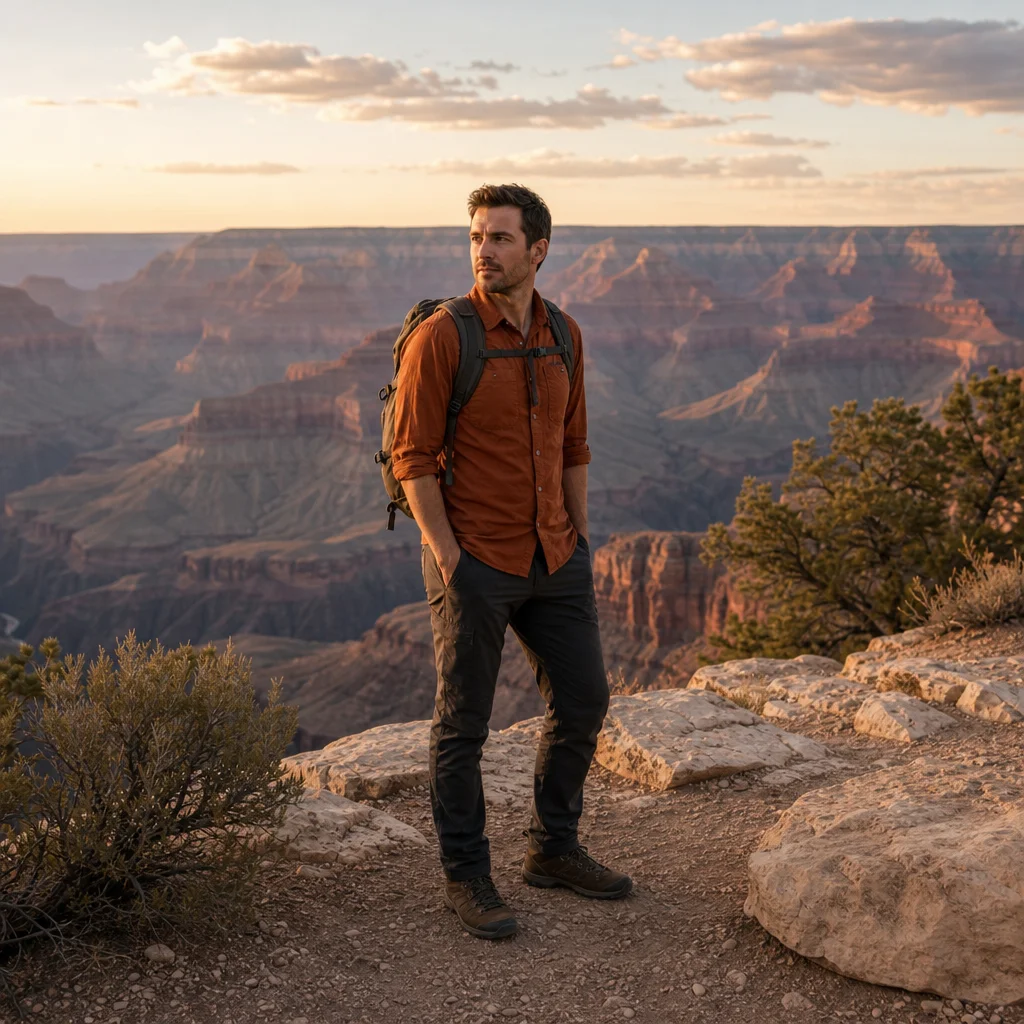
Cool air, dry wind, and an easy pace can make a hike feel as if it costs almost no water. Meanwhile, breathing harder than usual, sweating under layers, and climbing at elevation continue to draw fluid from your body. By the time you feel thirsty, you may already be behind your preferred drinking rhythm.
A good cold-weather water plan isn't a challenge to drink as little as possible. It is a way to carry enough, notice changing conditions, and avoid both extremes: arriving depleted or hauling several unnecessary pounds up the trail.
Start with a rate, not a fixed bottle count
Your water need depends on more than temperature. Consider:
- hike duration and distance
- elevation gain and pace
- wind, sun, and humidity
- how much insulation you wear while moving
- your personal sweat rate
- access to reliable water along the route
- food and drinks consumed during the day
- altitude, which can increase breathing-related fluid loss
For a first estimate, many hikers can use roughly 0.4 to 0.75 liters per hour for a cool, moderate day hike, then adjust from experience. This is a planning range, not a target that requires you to finish every drop. A slow walk through shaded forest may fall below it; a hard climb in dry, windy air may exceed it even when the thermometer is low.
If you know your usual rate, use that instead. A simple pre- and post-hike comparison can help. Weigh yourself immediately before and after a similar outing, wearing similar clothing and accounting as well as you can for water or food consumed. Losing a small amount of body weight is common during activity, but a large loss suggests that you need more fluid, easier pacing, or both. Gaining weight during a hike can indicate that you are drinking beyond thirst, particularly if you are also consuming salty foods or electrolyte products.
Don't turn this calculation into a demand to drink on schedule regardless of how you feel. It gives you a starting quantity for your pack. Your observations on the trail should modify the plan.
Convert the estimate into a supply
Multiply your estimated hourly rate by the time you expect to be out, then add a reserve for delays. A four-hour outing at 0.5 liters per hour uses about 2 liters under the assumed conditions. That doesn't mean you should automatically carry exactly 2 liters. You still need to account for the route, available sources, and what would happen if the hike took longer than planned.
The reserve is especially important when:
- the route has no dependable water
- navigation is complex or the trail is poorly maintained
- snow, ice, or mud could slow progress
- you are hiking alone
- the forecast includes changing wind, precipitation, or temperature
- a short hike could become a longer one because of a wrong turn or injury
Water weighs about 1 kilogram per liter, or about 2.2 pounds. Carrying an extra 2 liters is therefore not a minor adjustment; it adds roughly 4.4 pounds before counting the bottles or reservoir. Reduce that burden by improving your information, not by removing a sensible emergency margin. A confirmed refill can change the calculation. An assumed refill shouldn't.
Confirm the refill before you count it: Check current land-manager information, closures, seasonal availability, treatment requirements, and local restrictions for every water source you plan to use. A stream shown on an old map may be dry, frozen, contaminated, inaccessible, or unavailable under current rules.
If you use a natural source, carry a treatment method that works for the expected conditions. Filters may clog or fail in freezing weather, and some treatments require contact time. Keep the method accessible rather than buried at the bottom of your pack.
Build reminders that don't depend on thirst
Cold-weather hikers often need a drinking cue more than another large container. Use a reminder tied to an event you will notice:
- take several drinks at the trailhead after warming up
- drink at the end of each major climb
- drink during a clothing or navigation stop
- take a few drinks whenever you eat
- set a quiet watch or phone reminder for regular intervals
- drink before a long exposed section or descent if a refill won't be available
A reminder should prompt a check, not force a specific volume. When it sounds, ask three questions: Do your mouth and throat feel dry? Have you urinated normally since starting the hike? Are you becoming unusually tired, headachy, dizzy, or mentally foggy? Also consider whether you have been sweating beneath your layers even though your hands and face feel cold.
A hydration reservoir makes frequent small drinks easy, but a bottle lets you see exactly how much remains. For a first trip using a new system, a transparent bottle or a marked reservoir can make your consumption easier to understand. Keep one container available for drinking and another, if needed, reserved for untreated water or backup supply.
Avoid waiting until a break to discover that you have barely drunk anything. Small, regular drinks are usually easier to manage than trying to catch up with a large amount at once. Don't force water simply because a reminder went off. Excessive drinking can also be dangerous.
Watch the conditions your clothing creates
The temperature at the trailhead may not describe the conditions on the climb. An uphill effort under a shell or insulated layer can produce substantial sweat. If your back, hat, or base layer is damp, you are losing water even if the air feels cold.
Adjust early:
- Remove or vent a layer before the climb becomes uncomfortable.
- Slow your pace if you are overheating or breathing hard continuously.
- Protect exposed skin from wind and sun, which can increase drying and discomfort.
- Replace a damp layer during a longer stop if the weather allows.
- Drink a modest amount and reassess rather than waiting for a pronounced thirst signal.
At elevation, dry air and increased ventilation can make you lose more moisture through breathing. Altitude illness can also cause headache, nausea, fatigue, dizziness, or poor coordination—symptoms that shouldn't be explained away as simple dehydration. If symptoms appear at elevation, stop gaining altitude, rest, and follow your trip plan for descent and medical help. Worsening symptoms, confusion, trouble walking, severe shortness of breath, or loss of consciousness require urgent emergency action.
Use food and electrolytes thoughtfully
Water isn't the only part of the plan. Eating during a longer outing supplies energy and can make drinking more comfortable. Warm food or a hot drink may be easier to take in during cold conditions, but caffeine doesn't make a beverage a dependable substitute for your entire water supply.
Electrolyte drinks can be useful during prolonged, sweaty activity or when they help you drink enough. They aren't a reason to consume large amounts of fluid without thirst, and they don't make untreated water safe. Sports drinks, tablets, and powders also vary widely in sodium, sugar, and serving size. Follow the product directions and consider whether the added weight and packaging are worthwhile for the trip.
Don't use salt tablets as a routine fix without qualified medical guidance. Headache, nausea, confusion, swelling, or unusual behavior after heavy drinking can signal a serious fluid or electrolyte problem rather than a need for more water. Stop drinking large quantities, stop exertion, and seek medical help when symptoms are severe, worsening, or accompanied by confusion, vomiting, seizure, or inability to walk normally.
When the original plan stops working
Troubleshooting is easier when you identify the failure early.
You have barely drunk anything
Move to a sheltered place, loosen an unnecessary layer, and take a few comfortable drinks. Eat if you have food available. Check whether the container is difficult to access, the water is too cold, or the taste is discouraging you. Change the system for the next section—such as moving a bottle to a shoulder pocket—rather than relying on willpower.
If you are dizzy, confused, weak in an unusual way, vomiting, or unable to keep fluids down, don't continue simply because the route is short. Tell your hiking partner, turn around, or call for assistance according to the seriousness of the symptoms.
Your water is disappearing faster than expected
Recalculate using the amount remaining and the time left. Reduce pace, vent clothing, and stop to decide whether the destination is still realistic. If a verified source is ahead, confirm that it is accessible before committing to it. If the source is uncertain, treat the remaining water as your actual supply and turn around while you still have a margin for delays.
You are carrying far too much
Don't dump water impulsively at the trailhead or at an unplanned location. First ask why the load is large: an unreliable source, a vague forecast, a slow group, or anxiety about not drinking enough. Improve the next plan with a measured personal rate, a confirmed route, smaller containers, or a dependable backup method. On the current hike, the extra weight may be inconvenient but can become useful if conditions worsen.
Your bottle or reservoir freezes
Keep a flexible bottle inside an insulating layer, turn a reservoir hose upside down after drinking so water drains back into the bladder, and protect the bite valve from wind. Carrying a warm drink in a suitable container may help, but don't rely on hot liquid alone. Test your setup in cold conditions before committing it to a longer route.
A field-ready decision threshold
Before leaving, you should be able to answer four questions:
- How much do you expect to use per hour in these specific conditions?
- What is your reserve if the hike takes longer?
- Which water sources are confirmed, and how will you treat them?
- What symptoms or supply level will make you turn around?
During the hike, keep drinking reminders tied to climbs, meals, and time, but let thirst, comfort, urine output, effort, and remaining supply guide the adjustment. If the reserve is shrinking faster than the route is, or if symptoms are affecting judgment or coordination, the decision is no longer about finishing efficiently. Slow down, turn around, or seek help while you still have the capacity to do it safely.