How Wind Direction Changes Exposure on an Open Ridge
I’ll clarify why the same ridge can feel calm on one side and hazardous on the other, then show you how to read wind direction, adjust layers and pace, and decide when a more sheltered route is the better choice.
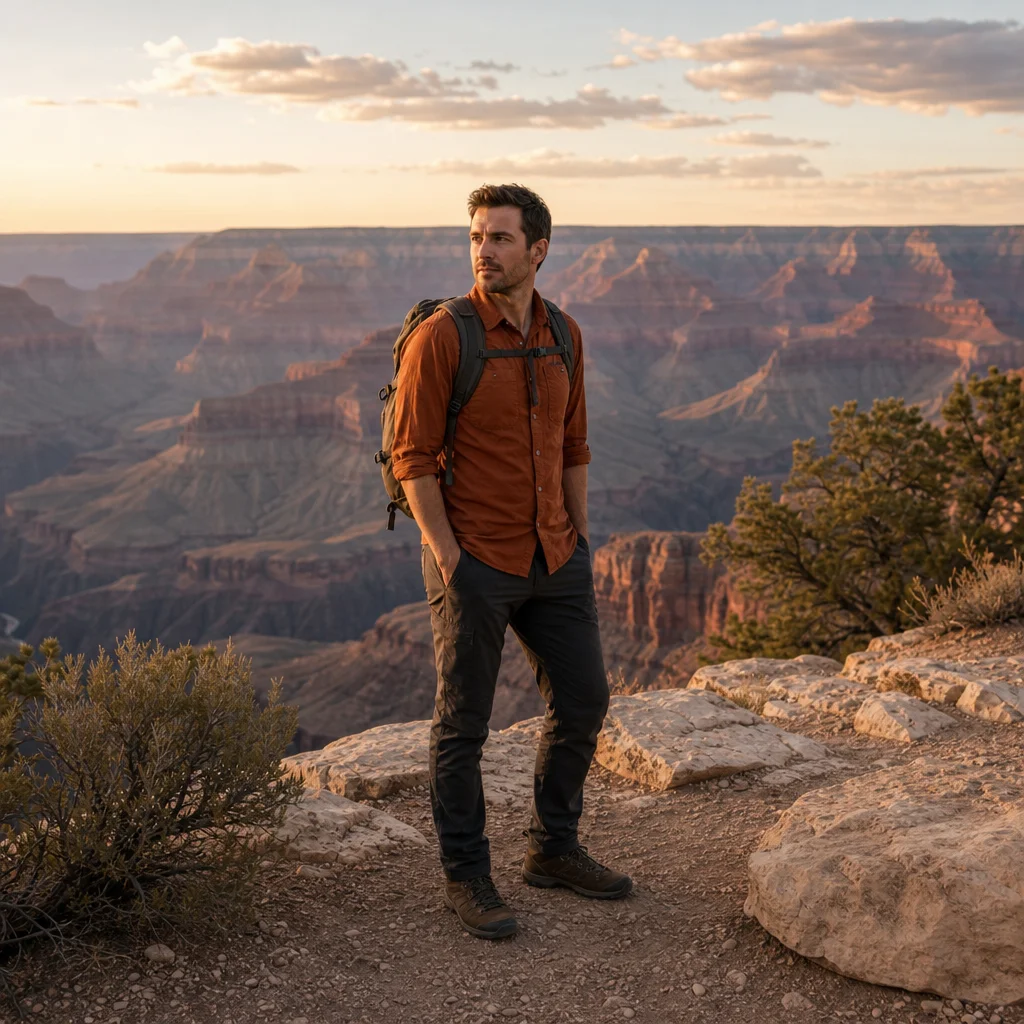
A ridge can feel manageable in the trees, then become sharply colder, louder, and less stable as soon as you reach the crest. Wind direction determines which slope receives the full force of the airflow, which side offers partial shelter, and how quickly conditions can change when the trail turns or climbs above nearby terrain.
For hikers in the Appalachian and Rocky Mountains, the useful question isn’t simply “How windy will it be?” It’s where will the wind come from, and which parts of the route will face it? Once you connect the forecast to the shape of the ridge, you can make better choices about layers, pace, breaks, and whether to continue along an exposed section.
Start with the ridge’s shape, not just the forecast
A wind forecast usually describes the direction the wind is coming from. A northwest wind comes from the northwest and moves toward the southeast. That distinction matters when you’re looking at a map or standing on a trail.
The slope facing the incoming wind is the windward side. It generally receives more direct airflow. The opposite slope is the leeward side, where the ridge may block some of the wind. This shelter is rarely complete, however. Air can spill over the crest, accelerate around gaps, and swirl behind rock outcrops or sharp changes in terrain.
Before setting out, identify three features:
- The ridge orientation: Is it mostly running north–south, east–west, or on a diagonal?
- The forecast wind direction: Which side of the ridge will face the incoming air?
- The exposed sections: Where does the trail leave trees, cross a broad summit, or follow a narrow crest?
A long ridge rarely behaves as one uniform surface. A trail may be sheltered on a forested approach, exposed on a bald summit, and turbulent again where the ridge drops into a side saddle. Treat each transition as a new conditions check rather than assuming the last section predicts the next one.
Check the wind against the route: Before leaving, compare the forecast direction and speed with the ridge’s orientation, summit elevations, and exposed trail sections. Recheck the latest conditions if the forecast is changing, especially for high wind, thunderstorms, freezing temperatures, or winter weather.
Recognize windward and leeward conditions in the field
You don’t need specialized instruments to notice a change in exposure. Use several observations together rather than relying on one sign.
On a windward slope or crest, you may notice:
- Vegetation bending consistently in one direction
- Wind noise increasing as trees thin out
- Blowing leaves, snow, dust, or loose grit moving uphill or across the trail
- Colder air striking your face or hands
- Stronger gusts arriving with little warning
- Greater difficulty standing upright or keeping a steady walking line
On a leeward slope, the air may feel calmer and warmer, but that doesn’t always mean the route is safe or comfortable. Wind can tumble over a ridge and descend in irregular bursts. A sheltered slope can also collect blowing snow, freezing rain, or fallen debris, depending on the season and local terrain.
Rock formations, saddles, shallow notches, and gaps between summits can act like nozzles. Air forced through a narrower opening may move faster than it does on the broader slope. Conversely, a deep, forested hollow may provide a useful pause even when the crest above it is unpleasant.
Watch how the wind affects your balance, breathing, and ability to use your hands. These are more useful hiking signals than a general impression that the day is “windy.”
Adjust layers before you reach the crest
Wind exposure changes heat loss quickly. Even when the air temperature is moderate, moving air strips warmth from damp clothing and exposed skin. You may feel comfortable while climbing in a sheltered forest, then become chilled within minutes after emerging onto the ridge.
Prepare for that transition before it happens:
- Add a wind-resistant outer layer before the trees end. Stopping in the shelter of the forest is easier than trying to organize clothing in a gusty opening.
- Protect your hands and head early. Lightweight gloves, a hat, or a hood can make a disproportionate difference when wind rises.
- Vent as you climb. A breathable layer with adjustable openings helps prevent sweat from soaking the clothing you’ll need on the exposed section.
- Keep an insulating layer dry. Store it in a waterproof or water-resistant bag rather than wearing it during a sweaty ascent.
- Secure loose items. Map cases, trekking-pole straps, hats, and rain layers can become distractions or hazards when they flap or blow away.
A wind shell is useful for blocking airflow but isn’t automatically a substitute for insulation or rain protection. In wet, cold, or winter conditions, your clothing system needs to account for both precipitation and wind. The leeward side may let you remove a layer, but keep the layer accessible because the next bend or rise may expose you again.
Change pace and break locations
Wind affects how much effort walking requires. A steady headwind increases resistance, while crosswinds can make each step less efficient and require more concentration. Gusts may also interrupt your breathing rhythm, particularly on steep terrain.
On exposed ground, shorten your stride and keep your center of gravity stable. Trekking poles can help when the surface is secure, but plant them deliberately rather than extending them where a gust could pull your arm off balance. If the trail is narrow, keep your attention on foot placement instead of trying to walk quickly through the section.
Avoid taking a long rest at the highest or most exposed point simply because it offers a view. Use a sheltered stand of trees, a protected rock feature, or a leeward dip where you can add food and water without losing body heat. If you need to stop in the open, turn your back or side toward the wind, secure your layers, and keep the break brief.
A slower pace is often appropriate when the wind is affecting balance, visibility, or communication. It also gives you more time to identify the next shelter and notice whether gusts are becoming stronger or less predictable.
Choose the route side with care
When a trail offers a choice between a crest route and a traverse below the ridge, the lower or leeward option may reduce exposure. That doesn't make it automatically preferable. A side trail can introduce steep drop-offs, loose rock, wet slabs, avalanche terrain, stream crossings, or navigation problems.
Use a simple comparison:
- Crest route: More direct, but potentially exposed to wind from multiple angles and difficult to leave once committed.
- Windward traverse: Often the coldest and most forceful option, with direct wind and possible precipitation impact.
- Leeward traverse: May offer shelter, but can contain drifting snow, unstable debris, turbulence, or a narrow trail beneath the crest.
- Lower alternate route: Usually less exposed to ridge-top wind, but may add distance, elevation loss, darkness risk, or unfamiliar terrain.
In the Appalachians, dense forest can provide substantial shelter until a trail reaches a bald, rocky summit, or fire tower approach. In the Rockies, treeline can end abruptly, leaving a broad transition zone where wind, cold, and lightning exposure become serious concerns. The same forecast can therefore produce very different experiences on two ridges at similar elevations.
Don’t leave the marked trail for a seemingly sheltered line unless you know it is an established, appropriate route. Scrambling around the wind may put you on unstable ground or create a more serious fall exposure than the original trail.
Treat wind direction as changeable
Wind direction can shift with weather systems, daily heating, valleys, and the passage of fronts. A morning forecast may not describe the afternoon conditions on a high ridge. Local airflow can also differ from a regional forecast because of drainage winds, gaps, and the orientation of adjacent valleys.
Several patterns deserve extra attention:
- A frontal passage: Wind may strengthen or shift direction as the front moves through.
- Thunderstorm development: Outflow can arrive before rain or lightning and may reverse the direction you expected.
- Solar heating: Slopes and valleys can develop local upslope or downslope flows during the day.
- Winter temperature changes: Wind may transport snow onto one side of a ridge while stripping the other side, creating uneven surfaces and visibility.
- Cloud or fog arrival: A ridge that was easy to read visually can become a navigation problem when landmarks disappear.
If clouds lower, precipitation begins, or wind becomes erratic, reassess before continuing. A direction that was favorable at the trailhead may be irrelevant once the weather pattern changes.
Know when exposure has become the main hazard
Wind alone isn’t always a reason to turn around. The decision becomes more serious when wind combines with another limiting factor: ice, wet rock, poor visibility, exhaustion, cold rain, lightning, or a narrow trail with consequences for a fall.
Use these thresholds:
- You can’t maintain balance during ordinary gusts.
- You must use your hands to stay upright on terrain intended for walking.
- You’re losing feeling in fingers, toes, or exposed skin despite adding protection.
- You can’t communicate reliably with your group.
- Your clothing is becoming wet faster than you can dry or protect it.
- The route ahead offers no practical shelter before darkness, worsening weather, or a known turnaround time.
- A safer alternate route is unclear, unconfirmed, or more technical than your group can manage.
A retreat doesn’t need to wait until conditions become dramatic. If the ridge is already consuming attention and energy, continuing may leave too little margin for the return trip. Turn around while you still have good balance, visibility, and enough warmth to move efficiently.
Field checklist before an exposed ridge
Before committing to the crest, confirm:
- Which direction the wind is coming from
- Which slope and trail sections are windward
- Where the first reliable shelter appears beyond the exposed section
- Whether your wind layer, insulation, gloves, and head protection are accessible
- Whether the forecast includes a shift in wind, storms, heavy precipitation, or falling temperatures
- Whether the route has a lower or leeward alternative you can identify confidently
- What specific condition will trigger a turnaround
If you can’t maintain balance, warmth, visibility, or a dependable route, leave the exposed ridge. The best wind strategy is the one that preserves enough margin to return safely—not the one that gets you to the highest point at any cost.