How to Use Rest Stops Without Letting Your Legs Stiffen
Long climbs make it tempting to sit until your legs feel heavy and uncooperative, especially in cold or exposed conditions. I’ll show you how to time breaks, manage food and water, and restart without turning recovery into another obstacle.
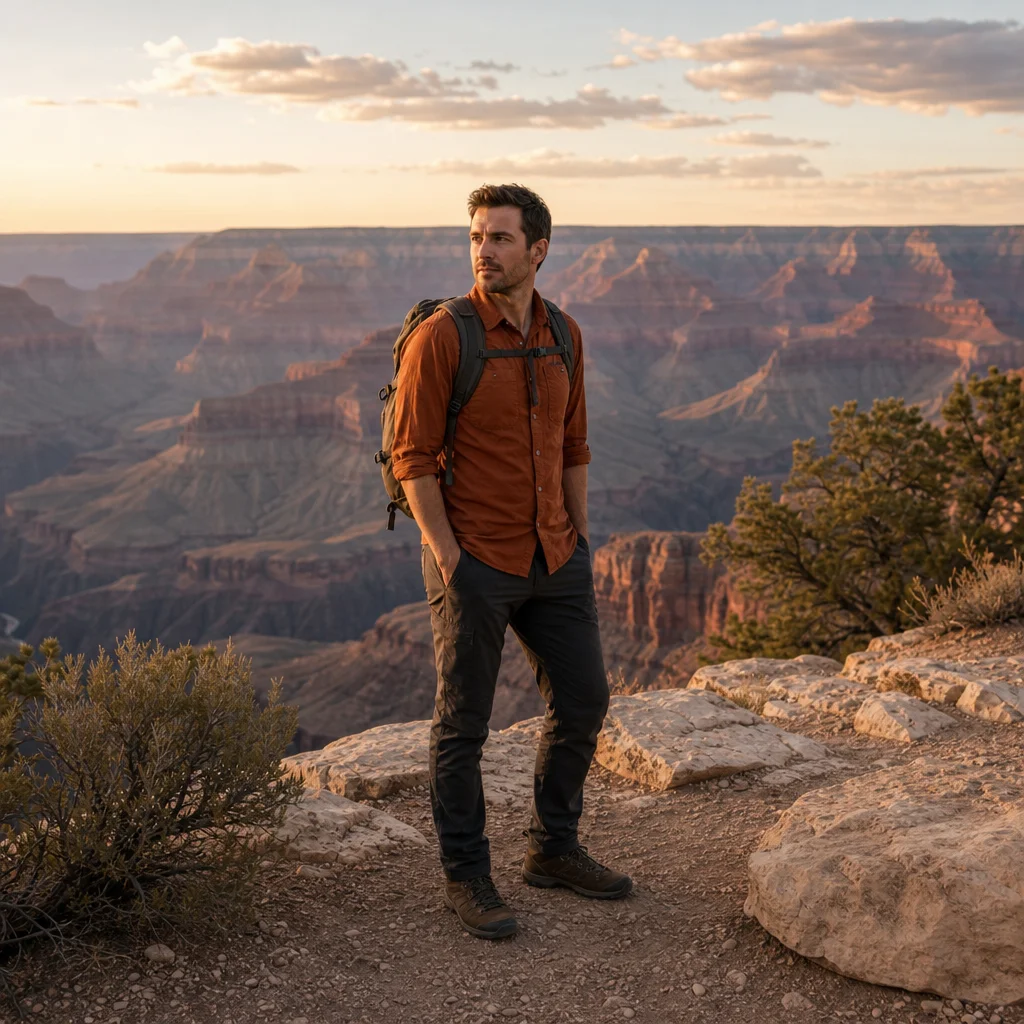
A long climb can punish both choices: walking past the point where you need a break leaves you ragged, while sitting too long can make your legs feel wooden when you stand. Cold ground, wind, a heavy pack, steep grades, and low blood sugar all make the restart harder.
The goal isn’t to avoid resting. It’s to make each stop do a job: lower your effort, address a specific need, and get you moving again before your body cools too far. That requires choosing the right place, deciding what must happen during the break, and restarting in a controlled way.
Prepare for the stop before you need it
A rest stop works better when you don’t have to unpack your entire bag. Keep the items you may need during a short break—water, a small snack, an extra layer, gloves, and perhaps trekking-pole straps—where you can reach them without removing the pack.
Before a long climb, divide food into small portions rather than burying one large meal in the bottom of your bag. Small, accessible snacks let you eat while standing or during a brief stop. Choose foods you can handle when breathing hard and that won’t create a mess in cold or windy conditions. If you rely on a particular food, carry a backup with a different texture or flavor in case fatigue makes the first option unappealing.
Your footwear and clothing also affect how long a stop should be. Loose or damp layers can make you feel chilled as soon as you stop, while excessive insulation may leave you sweaty when you start again. Keep a warm layer available for a longer pause, but don’t wait until you’re shivering to put it on.
Look ahead for possible stopping places. A flat shoulder, sheltered patch, broad rock, or safe overlook is better than stopping in the middle of a steep, exposed section. On a narrow trail, move fully out of the way of other users and keep your pack secured so it can’t slide downhill.
Check the trail’s current constraints: Before setting out, confirm current weather, closures, seasonal restrictions, and any site-specific rules affecting where you can stop or eat. Conditions that change during the day—wind, ice, heat, storms, or limited water access—may require shorter breaks or a different turnaround plan.
Read the early signs instead of waiting for failure
You don’t need to wait until your legs are trembling to stop. Early signs include a shortened stride, repeated stumbles, gripping your trekking poles more tightly, losing track of your breathing rhythm, or making simple navigation mistakes. These signs often mean your pace has exceeded what you can sustain, not that you need a long recovery session.
A useful distinction is between effort fatigue and a problem that needs investigation. Heavy legs, rising breathing rate, and general tiredness may improve with a brief reduction in effort. Sharp or localized pain, a new limp, unusual weakness, dizziness, confusion, chest discomfort, or difficulty breathing beyond what the grade explains shouldn't be treated as ordinary fatigue. Stop and assess the situation. If symptoms are severe, worsening, or accompanied by signs of a medical emergency, seek emergency help rather than trying to walk through them.
Notice the conditions around you as well. A break that is comfortable in sunshine may become unsafe on an exposed ridge when wind increases. Snow, rain, or cold can make a motionless hiker lose warmth quickly. In heat, a long stop in direct sun can increase fluid loss and leave you feeling worse when you resume. Your rest strategy has to change with the environment.
Choose the length by purpose
Most stops fall into three useful categories:
- A reset: roughly a minute or two to slow your breathing, drink, adjust a strap, and continue.
- A short recovery: several minutes to eat, add or remove a layer, check your feet, and let your effort settle.
- A substantial break: long enough to address a real need such as a hot drink, foot care, navigation, or a more complete meal—but only when the location and conditions support it.
These aren't rigid time prescriptions. A short stop can be too long in cold wind and too short when you’re dealing with a hot spot on your foot. Use the categories to define the purpose, then leave when that purpose is complete.
For many hikers, frequent short resets are easier than infrequent, prolonged collapses. A brief pause before you are exhausted can preserve coordination and reduce the temptation to sit on cold ground for twenty minutes. On a very steep climb, however, stopping every few steps may keep you in an inefficient cycle of accelerating and braking. Try to settle into a manageable pace first, then use planned breaks at terrain features rather than reacting to every uncomfortable moment.
A longer break can make sense when you need to eat a meaningful amount, repair equipment, treat a developing blister, or wait for a weather change. It becomes a poor trade when you are merely trying to escape discomfort while getting colder, stiffer, or more rushed. If the only way to continue is an increasingly long series of stops, reassess the route, your remaining resources, and whether turning around is the safer decision.
Keep your body active during the pause
Sitting completely still isn't required for recovery. If the location is safe, remain upright or move gently while you drink and eat. Shift your weight, take a few easy steps, roll your ankles, or flex and relax your feet inside your shoes. Small movements help you notice stiffness without turning the break into a workout.
Avoid aggressive stretching when you’re cold, hurried, or standing on unstable ground. A forceful stretch can distract you from footing and may aggravate an already irritated muscle or joint. Gentle range-of-motion movements are enough for a routine stop. Save more involved mobility work for a secure, warmer location.
Use the break to make practical adjustments:
- Control your breathing. Let your breathing settle without forcing deep breaths if that makes you lightheaded.
- Drink deliberately. Take enough to address thirst, but don’t turn every pause into hurried overdrinking. Keep water accessible so you can sip while moving when conditions allow.
- Eat before you feel empty. A small carbohydrate-focused snack can be easier to manage during a climb than waiting for a large meal after your energy has dropped.
- Check your feet. A hot spot is easier to protect early than a blister is to treat later. Remove grit, adjust socks or laces, and use the foot-care method you know works for you.
- Check your layers and pack. Reduce trapped sweat, secure loose items, and correct a hip belt or shoulder strap that is changing your stride.
- Confirm the next section. Know where you’re going to walk for the next few minutes and whether the terrain immediately ahead allows a gradual restart.
Food and water aren't interchangeable fixes. If you’re thirsty, address that directly; if you’re weak or hungry, a snack may help more than additional water. If you’re nauseated, confused, faint, or unable to keep fluids down, stop treating the situation as an ordinary rest-break problem.
Restart gradually, not abruptly
The first minute after a break should be intentionally easy. Stand slowly, make sure your footing is secure, and check that your pack and poles are positioned correctly. Walk at a reduced pace for a few minutes rather than trying to recover lost time immediately.
On a steep grade, restart with shorter steps. Keep your upper body balanced over your feet, and use switchbacks where the trail permits. Trekking poles can provide useful support, but they shouldn’t be used to pull you uphill with locked elbows or to compensate for a foot that won’t bear weight normally.
If your legs feel stiff, a gradual restart usually works better than a sudden burst of speed. Let your joints and muscles warm through ordinary movement. After a few minutes, reassess your breathing, coordination, pain level, and pace. If you feel normal fatigue easing, continue at a sustainable effort. If the same warning signs return immediately, take that as information rather than a challenge.
A helpful restart test is whether you can speak a short sentence, place your feet accurately, and maintain your intended pace without a rapid rise in distress. You don’t need to feel fresh. You do need enough control to move safely through the next section.
Adapt the plan to difficult conditions
Cold and wind
Cold makes long seated breaks expensive. Choose shelter before you stop, keep your insulating layer easy to reach, and avoid placing bare clothing or gloves on wet or snowy ground. Eat and drink efficiently, then resume gentle movement before your muscles cool completely.
If you’re wet, shaking uncontrollably, becoming clumsy, or having trouble thinking clearly, don’t rely on a routine short break. Add protection, seek better shelter, and reconsider whether continuing is safe. A cold-weather rest stop may need to be a gear-management operation rather than a period of relaxation.
Heat and direct sun
In hot conditions, seek shade when possible and avoid letting a long stop become a period of passive overheating. Drink according to thirst and your planned hydration strategy, and pay attention to headache, unusual fatigue, nausea, dizziness, confusion, or a loss of coordination. Those symptoms warrant a serious reassessment, not simply another snack.
Heavy packs
A heavy pack increases the cost of standing up and can make every restart feel worse. If you need a substantial break, use a stable location and remove the pack carefully rather than dropping it where it can roll or damage gear. Before putting it back on, check that heavy items remain close to your back and that the load isn't pulling you backward.
High elevation or unfamiliar exertion
At elevation or during a climb that is harder than expected, fatigue can arrive with less warning. Keep the pace conservative and avoid using repeated long stops to maintain an unsustainable effort. Headache, nausea, unusual shortness of breath, poor coordination, or confusion deserve more caution than ordinary leg fatigue, particularly if they are worsening.
Group travel
Groups should agree on a stopping pattern before the hardest section. A faster hiker who waits at every junction may cool down repeatedly, while a slower hiker may feel pressured to skip needed breaks. Use regrouping points that are safe and large enough for everyone, and make sure the group knows what to do if someone can't continue.
Common mistakes that make rest stops worse
Waiting for complete exhaustion. By then, you may need food, water, foot care, and a long recovery at once. A planned reset is easier to manage.
Sitting directly on cold or wet ground. The ground can drain warmth quickly and dampen clothing. Use a pad, pack cover, or sheltered standing position when appropriate.
Eating a large meal at the steepest point. A heavy meal can be uncomfortable and may extend the stop. Break food into smaller portions and save a fuller meal for a suitable location.
Removing too much gear. A short stop can become a packing project. Take off only what helps, and keep essential layers and navigation equipment under control.
Restarting at the old pace. Fatigue hasn’t disappeared because you sat down. Start below your previous effort and build only if your body and footing respond well.
Treating pain as stiffness. Stiffness may improve with gentle movement; sharp, worsening, or abnormal pain may signal an injury. Don’t use a timer to overrule a warning sign.
Ignoring the descent. Saving all your energy for the climb can leave you underprepared for a demanding descent. Before the summit or turnaround, check your remaining daylight, water, food, and ability to walk steadily downhill.
A field-ready rest-stop checklist
Before stopping, ask:
- Is this location stable, sheltered enough, and clear of trail traffic?
- What problem am I solving: breathing, food, water, feet, layers, navigation, or equipment?
- Do I need a reset, a short recovery, or a substantial break?
- Will sitting down make me cold, wet, or difficult to restart?
- What is the first easy section after the stop?
Before moving again, confirm that you can:
- stand and walk without sharp or escalating pain;
- place your feet accurately;
- keep your layers and pack under control;
- drink or eat without feeling worse;
- maintain a sustainable pace for the next section; and
- continue with enough time, daylight, water, and energy for the route ahead.
If you can’t meet those thresholds, the correct rest stop may be the one that leads to a route change, a longer recovery in a protected location, or a turnaround. Rest is useful when it restores control. It isn’t useful when it only delays an unavoidable decision.