How to Plan a Group Hike When Everyone Has a Different Stop Preference
I’ll help you turn different stop preferences into a workable hike plan by setting a shared pace, break rhythm, regrouping points, food timing, and turnaround rule before anyone reaches the trailhead.
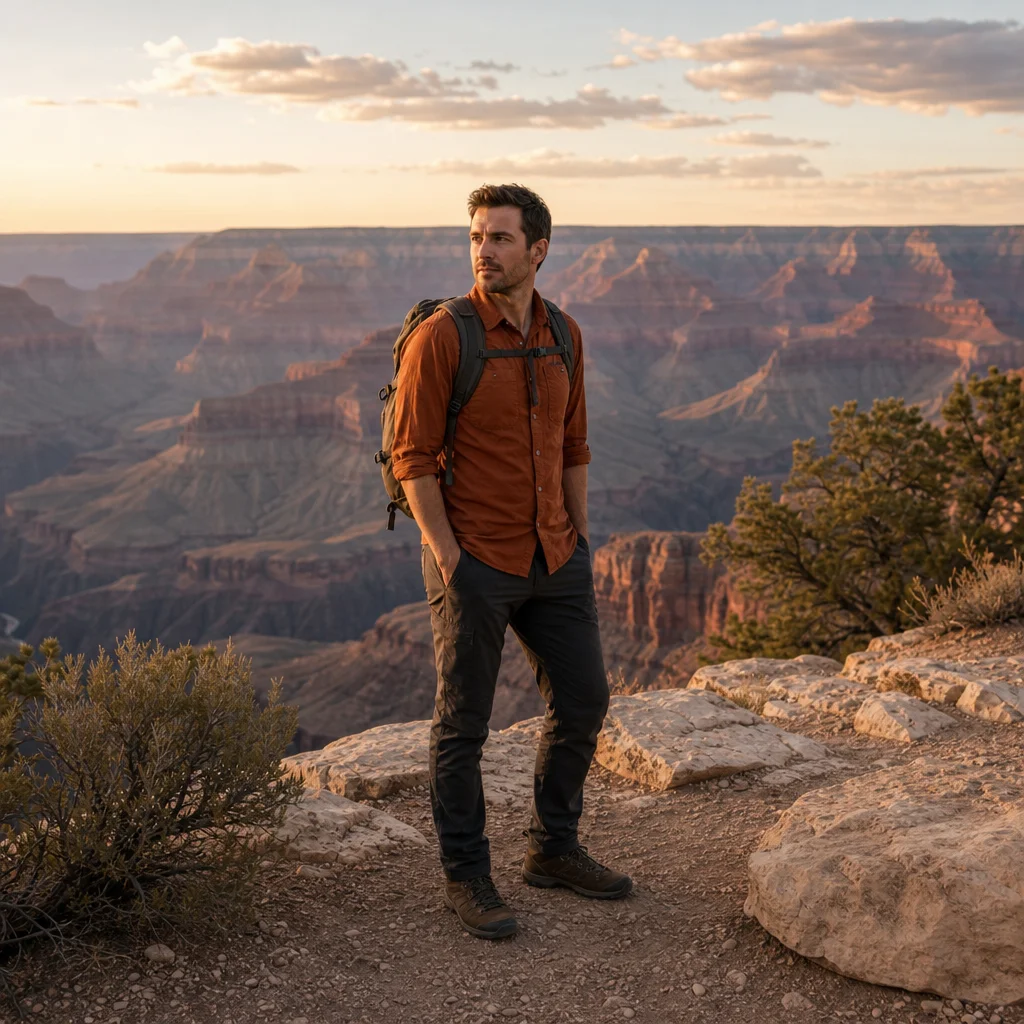
Different stop preferences can split a group long before the trail becomes difficult. One hiker wants frequent short pauses, another prefers to keep moving, and someone else is measuring the day by when lunch happens. Without a plan, every stop becomes a negotiation—and the group may separate when the route is least forgiving.
The solution isn’t to make everyone hike identically. It’s to agree on a simple operating plan that gives each person predictable chances to rest, eat, adjust layers, and speak up. Build that plan before the hike, then revise it when conditions or energy levels change.
Start by identifying the decisions that affect everyone
A group doesn’t need agreement on every preference. It does need agreement on the choices that affect timing, safety, and whether people remain together.
Discuss these points before the hike:
- How often will you take planned breaks?
- How long will the breaks last?
- Where will the group regroup if hikers spread out?
- When will people eat and drink?
- What happens if someone needs an unscheduled stop?
- What is the turnaround time or turnaround condition?
- Who has authority to slow, stop, or change the plan?
These questions expose the most common planning mistake: treating “stop preference” as one issue. It’s usually several different needs. A frequent stopper may be managing breathing, heat, an injury, or low confidence. A hiker who dislikes stopping may be trying to preserve momentum or avoid getting cold. Someone asking for a specific lunch time may be managing medication, blood sugar, or a long return journey.
Ask what each person needs from the day, not merely how often they want to stop. You can usually compromise more easily when the underlying need is clear.
Separate planned stops from necessary stops
A useful plan has two categories of pauses.
Planned stops are predictable. They might include a short rest after a climb, a regroup at a trail junction, a water break, and a meal stop. Because everyone expects them, hikers can manage their effort between them.
Necessary stops happen when someone needs to address a real condition: pain, overheating, dizziness, a bathroom need, a clothing adjustment, a navigation question, or a damaged piece of gear. These stops shouldn’t be treated as a failure of the schedule.
Tell the group that anyone can call a necessary stop, and explain what language to use. “I need a stop now” is clearer than quietly falling behind or hoping someone notices. If the group hears that phrase, stop in a safe place and assess the reason before deciding how to continue.
At the same time, not every minor discomfort requires the entire group to stop immediately. A hiker may be able to make a small adjustment at the next planned break. The person should say so explicitly: “I’m okay to continue for ten minutes, then I need to fix this.” That gives the group a shared expectation instead of leaving others to guess.
Choose a break rhythm that favors predictability
When preferences differ, predictable breaks are usually easier than constant debate. A simple rhythm might include:
- brief pauses at agreed intervals or after significant climbs;
- longer breaks at useful locations, such as a junction, viewpoint, or sheltered area;
- a meal stop at a time that supports the slowest realistic schedule;
- additional stops when conditions or a person’s condition require them.
Avoid setting the plan only by distance. “We’ll stop every two miles” may work on a flat trail but fail on steep terrain, loose footing, heat, or a route with few safe resting places. Time, terrain, and landmarks are better used together.
For example, you might agree to take short breaks roughly every hour, with the exact location determined by terrain and safety. You might also identify two specific regrouping points before the hike. This gives frequent-stop hikers a reliable expectation without forcing the group to sit down at an unsuitable spot.
Keep scheduled breaks short enough that they remain useful for the hikers who prefer momentum. A short pause can cover water, a snack, a layer adjustment, and a quick condition check. If someone needs more time, the group can decide whether to extend the stop, split into a properly managed arrangement, or change the day’s objective.
Use a regrouping system instead of an unspoken pace
The fastest hiker shouldn't automatically become the pace setter, and the slowest hiker shouldn't be left to negotiate for every break. Set a regrouping system that prevents both problems.
Choose locations where everyone can safely wait without blocking the trail or creating confusion. Good regrouping points often include:
- trail junctions where a wrong turn is possible;
- the top or bottom of a sustained climb;
- stream crossings or confusing terrain;
- a viewpoint or designated rest area;
- the point where the route narrows or becomes more exposed.
The lead hiker should wait at decision points, not disappear around the next bend. The last hiker should know who is behind them and whether anyone is having trouble. On a larger group hike, assign a front and rear position rather than relying on whoever happens to be walking there.
A regrouping point isn't permission for the front of the group to race ahead. If the gap becomes large enough that the rear hiker feels pressured, move the next regrouping point closer or reduce the pace. Waiting only after the gap has become frustrating solves the problem late.
Plan food timing around effort, not just the clock
Food stops often reveal different expectations more quickly than ordinary rest stops. Some hikers prefer small snacks while walking. Others need a proper seated meal. Some may have dietary, medical, or hydration needs that make timing important.
Agree on three things:
- When will the group take the main food stop?
- Can people snack independently between group stops?
- What food and water needs must be accommodated?
A practical arrangement is to schedule a main food stop at a known point while allowing hikers to eat small snacks during brief pauses or while moving, where the trail and group conditions make that appropriate. Don’t assume that everyone can wait until a scenic lunch location. If the route is harder than expected, waiting too long can turn a preference difference into a performance and safety problem.
Choose a meal location with enough room, protection from weather, and a clear way to gather the group again. A beautiful spot that is exposed, cramped, or far beyond the group’s energy budget may be a poor lunch target.
Set the turnaround rule before anyone is tired
A turnaround rule prevents the group from making its most important decision when daylight, energy, and patience are running low. Set it using a clock time, a route point, or a condition—often a combination of all three.
Possible rules include:
- turn around at a specific time regardless of how close the destination appears;
- turn around when the slowest expected pace leaves too little margin for the return;
- turn around if weather, visibility, heat, trail conditions, or a person’s condition worsens;
- turn around when the group reaches a designated point but hasn’t met the time needed for a safe return.
The rule should apply to the group’s real pace, not the optimistic pace someone hopes to achieve. Include time for breaks, navigation, food, clothing changes, and unexpected delays. If the route has a fixed closing time, reservation window, shuttle, or other external deadline, build in a margin rather than planning to arrive at the last possible minute.
Make clear that turning around is a successful decision when the conditions no longer support the objective. The destination is optional; a safe return is the fixed priority.
Confirm the day’s constraints: Before leaving, check the current route status, access rules, weather, daylight, and any timed parking, shuttle, or permit requirements that could change your turnaround plan.
Prevent the most common group-planning mistakes
Mistake: asking for agreement without defining the plan
“Let’s stop when people need to” sounds flexible but often leaves one person calling every pause and another person silently enduring discomfort. Replace it with a basic rhythm and a clear method for requesting an extra stop.
Mistake: using the strongest hiker’s pace as the default
A fast pace can make the group’s scheduled breaks irrelevant because slower hikers arrive already depleted. Set the moving pace by the person whose condition and experience require the most sustainable speed, not by the person who can cover the ground fastest.
Mistake: treating all stops as equal
A two-minute water pause, a ten-minute layer adjustment, and a thirty-minute meal serve different purposes. Name the type of stop and its expected duration so people can prepare for it.
Mistake: waiting for a scenic location
The next perfect viewpoint may be farther away than anyone expects. If someone needs to stop, use the nearest safe location rather than preserving an ideal lunch or photo spot.
Mistake: changing the turnaround rule by group vote at the worst moment
Revisit the plan when conditions change, but don’t make the tiredest point of the day the first time anyone discusses the return. A pre-agreed threshold gives the group a neutral reference.
Mistake: assuming a split group is automatically manageable
If some hikers want to continue while others stop or turn around, pause and assess whether the group has the navigation skill, communication, equipment, and agreed rendezvous plan to separate safely. If not, stay together and change the objective.
Reassess at every major regrouping point
Use planned stops for more than resting. They’re opportunities to compare the plan with the actual day.
Ask concise questions:
- Is the current pace sustainable for everyone?
- Are the planned breaks frequent and long enough?
- Is anyone managing pain, heat, cold, or low energy?
- Has the terrain or weather changed the expected return time?
- Does the food and water plan still work?
- Is the next objective still reasonable?
Look for behavior as well as verbal answers. A hiker who is unusually quiet, repeatedly falling behind, stumbling, moving stiffly, or refusing water may need a direct check-in. A quick “How are you doing, really?” is more useful than waiting for a formal break request.
If the plan needs to change, say exactly what is changing: “We’re shortening the next section, taking lunch here, and turning around at the junction.” Specific decisions reduce further negotiation.
A field-ready group hike agreement
Before starting, make sure everyone knows:
- the intended moving pace and who sets it;
- the schedule or general rhythm for short breaks;
- the location and purpose of major stops;
- how to call an unscheduled stop;
- where the group will regroup;
- when and where food will happen;
- the turnaround time or conditions;
- who carries navigation and communication equipment;
- what the group will do if someone can't continue as planned.
You don’t need a rigid timetable. You need shared expectations, visible regrouping points, and permission to change the plan early. If the group can maintain a sustainable pace, stop before small problems become large ones, and turn around without reopening the entire argument, different stop preferences become manageable rather than divisive.