How to Divide Water When One Person Starts the Day Underhydrated
I’ll explain how to assess unequal hydration needs, divide a group’s water without creating a false sense of security, and set a conservative turnaround threshold for warm, dry outings.
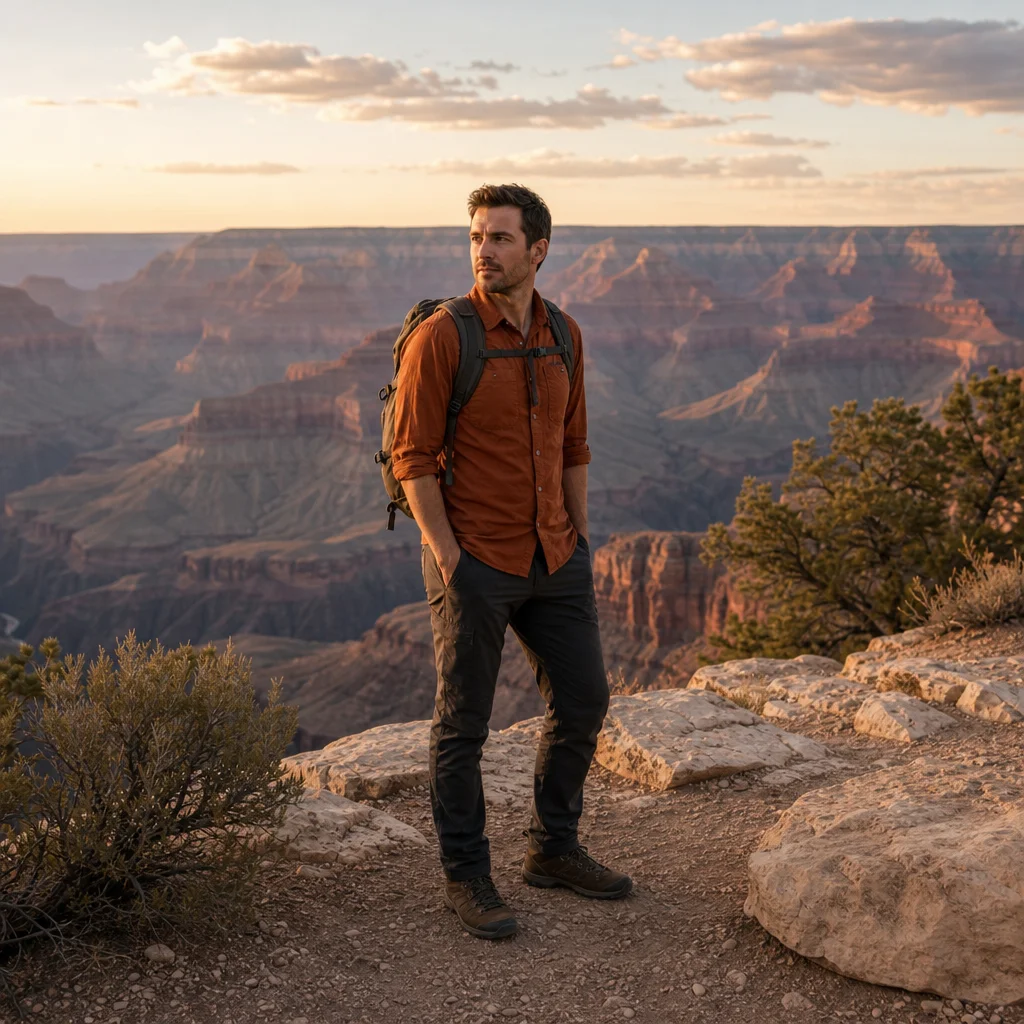
The first decision comes before anyone starts rationing: determine whether the underhydrated person should be on the route at all. In warm, dry country, a hiker who begins behind on fluids has less margin for heat, exertion, delays, and navigational mistakes. Dividing bottles evenly may look fair, but it can leave the person who needs more without enough—and consume the group’s reserve before the real difficulty begins.
As group leader, treat water as a shared safety resource with unequal needs, not as a fixed number of identical servings. Your plan should answer four questions:
- How much water does each person reasonably need for the planned conditions and effort?
- What reserve must remain untouched for delays or emergencies?
- What signs will cause the group to rest, turn around, or seek help?
- Who carries and controls the reserve if the plan changes?
Assess the starting problem before dividing anything
“Underhydrated” can mean several different things. Someone may simply have drunk little that morning. They may have arrived after travel, poor sleep, alcohol use, vomiting, diarrhea, or a hot night. They may already be developing heat illness, or they may be describing thirst caused by exertion, anxiety, or a dry mouth rather than a simple shortage of water.
Ask direct questions privately and without embarrassment:
- When did you last drink, and roughly how much?
- Have you had vomiting, diarrhea, fever, or another illness recently?
- Have you urinated since waking, and was it unusually dark or scant?
- Do you feel dizzy, weak, confused, nauseated, unusually tired, or unable to keep fluids down?
- Are you taking medication or managing a condition that affects fluid balance?
A person who is confused, faint, unable to walk normally, repeatedly vomiting, or showing severe weakness needs medical attention rather than a trail ration. Move the group toward cooling and emergency assistance according to the situation. Don’t assume that handing over a bottle solves a heat-related problem.
If the person is alert, functioning normally, and only mildly behind on fluids, delay the start if possible. Give them time to drink normally, eat a suitable meal or snack, use the restroom, and reassess in a cool place. Avoid encouraging rapid overconsumption. Large amounts of plain water taken quickly can also be dangerous, especially when someone is exerting heavily and replacing no electrolytes.
Confirm the starting condition: Before leaving, check current heat, fire, trail, and water-source information for the route, then decide whether the person is fit to begin. Local guidance and medical advice take priority over a general hiking plan.
Calculate the group’s usable supply
Start with total water, then subtract what you are unwilling to spend. That protected amount isn't a convenience reserve; it is for a delayed return, a wrong turn, an injury, an unexpected wait, or a member who deteriorates.
A simple planning equation is:
usable water = total water carried − protected emergency reserve
Don't count water that depends on an unverified spring, seasonal creek, filter, treatment tablet, or cache as guaranteed supply. In warm, dry regions, sources may be empty, contaminated, inaccessible, or closed. Water you can’t confirm should be treated as a possibility, not as part of the base plan.
Next, estimate each person’s needs for the actual outing. Consider:
- air temperature, sun exposure, humidity, and wind;
- distance, elevation gain, pace, and surface conditions;
- shade and opportunities to stop;
- pack weight and clothing;
- each person’s size, acclimatization, fitness, and normal response to heat;
- known medical or medication-related considerations;
- whether the underhydrated person is already starting with a deficit.
The exact volume can't be set responsibly from distance alone. A short, exposed climb can require more water than a longer shaded walk. Group leaders should use conservative local trip-planning guidance, previous conditions reports, and the least tolerant member’s needs rather than an optimistic average.
Keep the protected reserve physically separate if practical. Label it, place it in a leader’s pack, or use a sealed container that nobody opens casually. If every bottle is treated as available, the reserve tends to disappear during the first long break.
Divide by need, not by equal volume
Equal portions are easy to explain but often unsafe. A better system has three layers:
- Individual working supply: water each person can access and drink during ordinary travel.
- Additional allocation: extra water assigned to the underhydrated person or anyone facing higher demand.
- Group reserve: water held back for changing conditions and emergencies.
The underhydrated person shouldn't be punished for arriving behind, but the group shouldn't silently absorb an unlimited shortfall either. If giving that person the water they reasonably need would consume the reserve, reduce the route, postpone the outing, add a verified resupply option, or cancel. The correct response is to change the plan—not to call the deficit “sharing.”
Have the person carry some of their own working water when they can do so safely. That keeps their supply visible and prevents the leader from becoming the only source of drinking water. If weakness or heat makes their pack unsafe, redistribute other gear and monitor them closely. A person who can't carry water at the beginning may not be ready for the planned route.
Avoid pouring the entire group’s water into one container. Individual bottles make consumption easier to track, allow people to drink without waiting, and reveal when someone is concealing a problem. They also prevent one leak or lost bottle from becoming a total group failure.
Set a consumption and check-in rhythm
Don’t wait for intense thirst before checking. In hot, dry conditions, schedule brief pauses in shade or the best available shelter. At each pause, ask how people are feeling, observe walking pace and coordination, and compare remaining water with the distance and difficulty still ahead.
Use calm, specific questions rather than “Are you okay?” Ask:
- Can you walk steadily and speak clearly?
- Are you developing a headache, nausea, cramps, dizziness, or unusual fatigue?
- Is your breathing settling during the break?
- How much water remains in your working supply?
- Has the route taken longer or required more effort than planned?
Don’t force a fixed drinking contest or make members prove toughness by delaying water. Encourage normal, regular drinking and food as appropriate, while avoiding rapid consumption of large quantities. If someone has a medical hydration plan, follow that plan and seek professional advice when it conflicts with general trail assumptions.
At every stop, compare the group’s remaining water with the next decision point—not merely with the mileage completed. A route that is half finished may still contain the steepest climb, full sun, or a slow technical descent. Time, heat, and terrain can increase demand faster than distance suggests.
Use a conservative turnaround threshold
Set the threshold while everyone is still comfortable. Once the group is tired, hot, or emotionally invested in reaching a landmark, judgment becomes less reliable.
Turn around or shorten the route when any of these conditions applies:
- the underhydrated person isn't improving after rest, shade, food, and normal drinking;
- anyone develops confusion, faintness, loss of coordination, worsening nausea, severe weakness, or an inability to continue safely;
- the group’s remaining water approaches the protected reserve before the planned turnaround;
- the route is taking substantially longer than expected;
- a water source is dry, inaccessible, questionable, or different from current information;
- heat, sun, smoke, injury, navigation uncertainty, or a delayed start has reduced the original margin;
- the leader can no longer explain how the group will return with adequate water.
The last point matters. If you can't describe the return plan in terms of time, shade, water, and assistance options, you have already lost too much margin. A turnaround isn't a failure of the person who started underhydrated. It is the group leader applying the plan before the reserve becomes the only thing keeping the group moving.
Handle difficult edge cases
One person refuses to drink. Ask why. Nausea, illness, fear of restroom access, or confusion may be involved. Don’t shame or force them. Stop the outing if refusal is paired with concerning symptoms, and don’t let the rest of the group continue deeper while the situation is unresolved.
One person drinks far more than expected. Recheck the estimate, conditions, and symptoms. A rapid change in thirst can indicate rising heat strain or illness. Don’t solve the problem by quietly taking water from another person’s working supply. Reassess the route and protect the reserve.
The group has only one reliable bottle left. Stop advancing. Keep everyone together, move toward the safest known option, and use emergency communication or rescue resources when necessary. A “short distance” isn't a safe justification for splitting up in heat.
The underhydrated person is a child, older adult, or has a health condition. Use a more conservative plan and obtain individualized medical guidance when appropriate. General hiking estimates aren't a substitute for a person’s care instructions.
Someone suggests sharing the reserve to make the destination. Ask what happens if the group gets lost, injured, or delayed after the reserve is gone. If the answer is “we’ll find water,” that source must be verified before it is counted. Otherwise, turn around or change the objective.
Field-ready decision checklist
Before departure, confirm:
- The person who started underhydrated has been assessed and is fit to begin.
- Total water, individual supplies, and the protected reserve are clearly identified.
- The plan doesn't depend on an unverified source.
- The route, weather, access restrictions, and local safety information are current.
- Check-in points and a turnaround time or water threshold are agreed on.
- Everyone knows which symptoms end the outing immediately.
- The group will stay together if conditions worsen.
If meeting the underhydrated person’s reasonable needs would consume the emergency reserve, the outing is a no-go at its original length. Shorten it, postpone it, resupply through a confirmed source, or return to a cooler setting. Water division is a planning problem, but the final decision is a margin decision: keep enough capacity for the conditions you can’t predict.